Allogeneic Transplant · Ph+ ALL · 15 December 2025
Patient Voices | Told she might not survive 15 days: a high-risk Ph-positive leukaemia patient returns to the classroom five years after transplant
Diagnosis
Ph-positive acute lymphoblastic leukaemia (BCR-ABL1 p190 positive, gene quantification 52.79% at diagnosis)
Age at diagnosis
30 years old (primary school teacher)
Status before transplant
Morphological remission but 0.25% abnormal lymphoblasts on flow cytometry and BCR-ABL1 still at 4.06%
Treatment
Targeted therapy plus chemotherapy, then intensified conditioning and unrelated-donor allogeneic HSCT (HLA 9/10 matched, A+ to A+) on 10 July 2020
Engraftment
White cells engrafted on day +17, platelets on day +13
Outcome
Only mild skin GVHD; passed the five-year review with stable indicators; back teaching since year three
Hospital
Beijing GoBroad Boren Hospital — Haematology Dept. II (Haematopoietic Stem Cell Transplantation)
In October 2019, 30-year-old Yuanyuan (pseudonym) was diagnosed with Ph-positive acute lymphoblastic leukaemia after weeks of persistent low fever and severe bone pain. Her doctors gently told the family that she might not live more than 15 days. Over the following six months she received multiple lines of treatment near home, but the disease came and went. Although she once reached morphological complete remission, the BCR-ABL1 fusion gene never turned durably negative and flow cytometry still showed minimal residual disease.
Determined to defeat the disease for good, in May 2020 — on the recommendation of fellow patients — Yuanyuan travelled a thousand miles from her hometown to Beijing and found the transplant team of Prof. Wu Tong and Dr. Song Yanzhi at Beijing GoBroad Boren Hospital. After a full assessment, the team adopted an intensified conditioning regimen and successfully completed an unrelated-donor allogeneic haematopoietic stem cell transplant. Five years later she has not only passed the "big transplant exam" but returned to the classroom two years ago, back with the students she had missed so much. Today she looks well, with thick long hair, a strong voice and a hearty laugh — no sign at all of the life-and-death ordeal she once endured.
1. A sudden "15-day countdown"
I will always remember that autumn of 2019. As a primary school teacher I was busy preparing my students for mid-term exams. During that period I felt inexplicably weak — climbing the stairs felt like walking on cotton. At first I thought it was work stress and paid no attention. But the symptoms multiplied: my back ached so badly I could not sleep, my joints hurt, and I was dizzy to the point the world spun. I assumed it was exhaustion or a neck problem, and even went for traditional Chinese medicine treatment.
My body kept deteriorating. My teeth became extremely sensitive and could not touch cold water, two "blood blisters" appeared on my legs, and the low fever and fatigue continued for over a month… Until one day I was too dizzy to lift my head, and realised something was seriously wrong and I had to go to hospital.
On the day of the blood draw, before the results even came back, dense red dots appeared on my arm. At that moment a sense of foreboding washed over me. The blood count report was covered in arrows; one number I still remember clearly — a white cell count of over 300. The doctor told me to be admitted immediately. The bone marrow examination came back BCR-ABL1 (p190 positive) with gene quantification of 52.79%, and I was diagnosed with Ph+ acute lymphoblastic leukaemia. The doctor spoke to my parents and told them this was high-risk leukaemia and that, given my condition, I "probably would not survive 15 days".
2. Relapsing and remitting: a tug-of-war at a 40% cure rate
The treatment that followed was a nightmare for me. My body reacted extremely strongly to chemotherapy, and every cycle brought severe adverse effects — high fever, CMV, EBV viraemia, cystitis, lung infection, gastrointestinal bleeding one after another… The heavy financial burden also made me anxious: each chemotherapy cycle cost a considerable sum, and many imported drugs had to be paid for out of pocket. But what shattered my confidence was my attending doctor telling me frankly that the cure rate for Ph+ acute lymphoblastic leukaemia at their hospital was under 40%. Financial pressure and the hopelessness of treatment sank me into deep despair.
At that very moment, several well-recovered patients in a patient group all independently recommended Prof. Wu Tong and Dr. Song Yanzhi at Beijing Boren Hospital. They told me Boren had extensive experience treating this kind of difficult, high-risk leukaemia and offered a greater hope of cure. I later learned that Boren's cure rate for my type of disease reached as high as 80%.
Through a fellow patient I reached Dr. Song Yanzhi. It was a special period at the time; after understanding my situation, Dr. Song proactively arranged hospital transport for me. I remember that kindness to this day — in a place of near despair, I felt for the first time a warm force firmly holding on to me.
3. A stem cell transplant lights up a second life
In May 2020 I finally arrived at Boren Hospital. Prof. Wu Tong and Dr. Song Yanzhi designed a personalised plan for me: I continued targeted therapy and received chemotherapy. However, the bone marrow test after treatment showed that although morphology indicated remission, flow cytometry detected 0.25% abnormal lymphoblasts and the BCR-ABL1 fusion gene quantification was still 4.06%. This meant that although the disease was controlled, the cancer cells in my body had not been completely cleared.
After a comprehensive assessment, the two directors decisively decided to send me straight into the transplant unit, adjusting the conditioning regimen to secure the transplant outcome. On 29 June 2020 I began conditioning chemotherapy, together with immunosuppressive drugs to prevent graft-versus-host disease. On 10 July 2020 I successfully completed an unrelated-donor haematopoietic stem cell transplant (HLA 9/10 matched, A+ donor to A+ recipient).
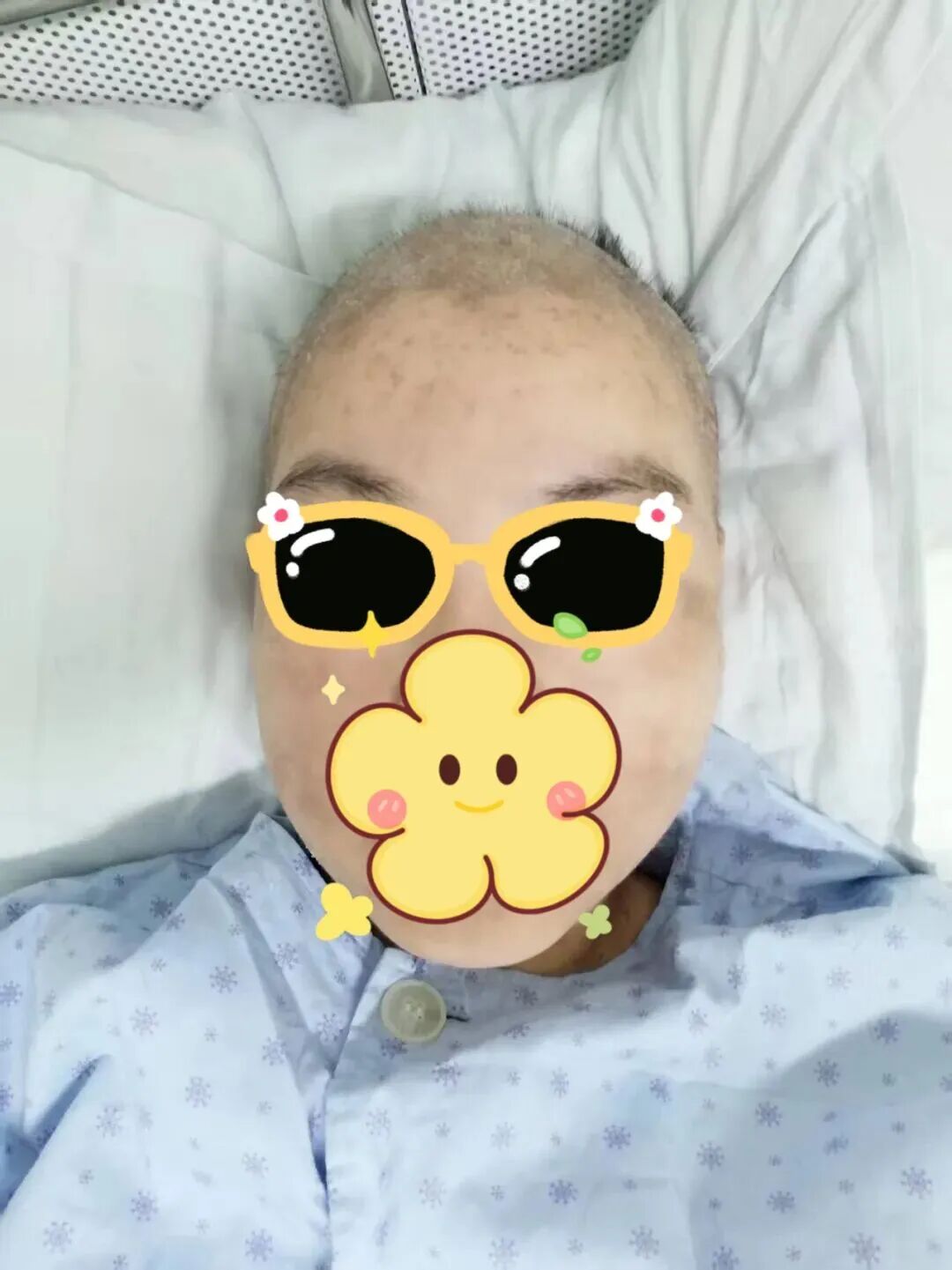
Compared with the repeated infections of my earlier treatment, this transplant went so smoothly it was hard to believe: white cells engrafted on day 17 and platelets on day 13. What moved me most was that during my time in the transplant unit, Dr. Song Yanzhi visited me several times a day, caring not only about my physical indicators but also encouraging me mentally. When anxiety kept me awake inside the unit, he would patiently talk me through it. I once told him: "One sentence from you works better than a thousand pills." It was exactly this reassuring guardianship that gave me boundless courage to defeat the disease.
After leaving the transplant unit I had only mild skin graft-versus-host reaction, which improved quickly with treatment, and soon I was able to be discharged to recuperate. Prof. Wu Tong also carefully advised me to wait until winter had passed and the flowers of spring were out before returning south to recover. In the end, eight months after transplant, I returned to my hometown in Hubei.
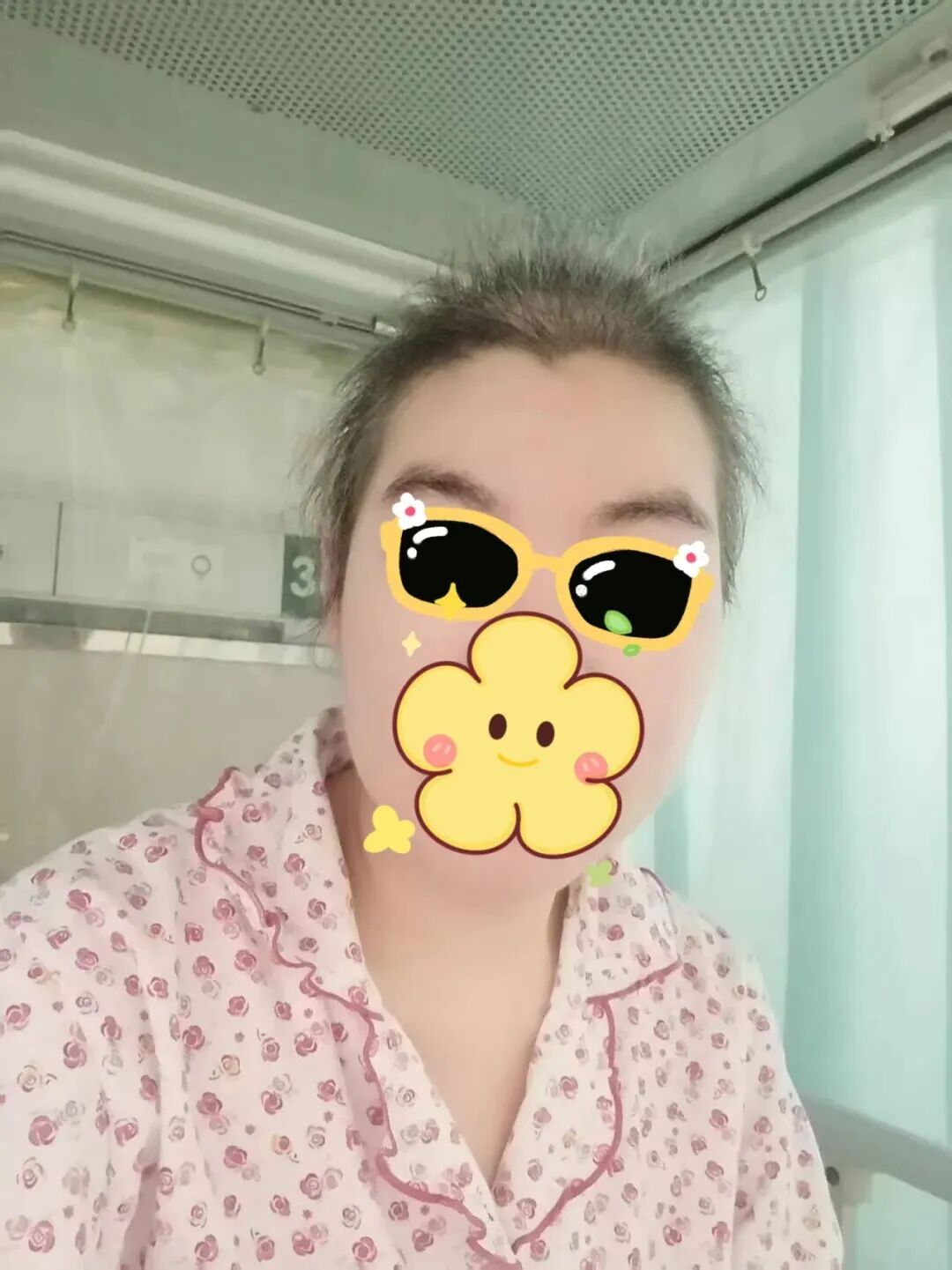
4. Medicine with warmth, lighting up the darkest hours
Today, when I look back on my treatment journey at Boren, I am still deeply moved.
My mother and I were especially satisfied with the environment at Boren Hospital. For infection control, the hospital equips patients with laminar flow beds, which greatly reduces the risk of cross-infection. Compared with my frequent infections before, I had almost no serious infection throughout the whole course of treatment at Boren. That not only reduced physical suffering and helped my disease and body recover, but also greatly lightened the financial burden.
Financially, Boren truly considers the patient. When the expert team designs a plan, they always weigh both efficacy and financial burden — that thoughtfulness warmed us greatly.
The directors also showed the benevolence of true physicians. I was no longer afraid to talk with doctors as I had been before; every time I gathered the courage to ask a question, I received a patient answer. I remember once at two in the morning, uneasy because of a fever, I sent a message — he replied immediately and guided me on medication. This round-the-clock guardianship made us feel completely at ease.
In searching for an unrelated transplant donor, the Boren team showed astonishing professionalism and efficiency, winning precious time for my treatment. My mother, who accompanied me throughout, felt it even more deeply. She said: "At Boren I didn't have to worry about anything — from donor liaison and test scheduling to medication guidance, the hospital arranged everything clearly." The medical team was like a "personal bodyguard", and it made us feel truly secure.
5. Back to the classroom, continuing an unfinished lesson in life
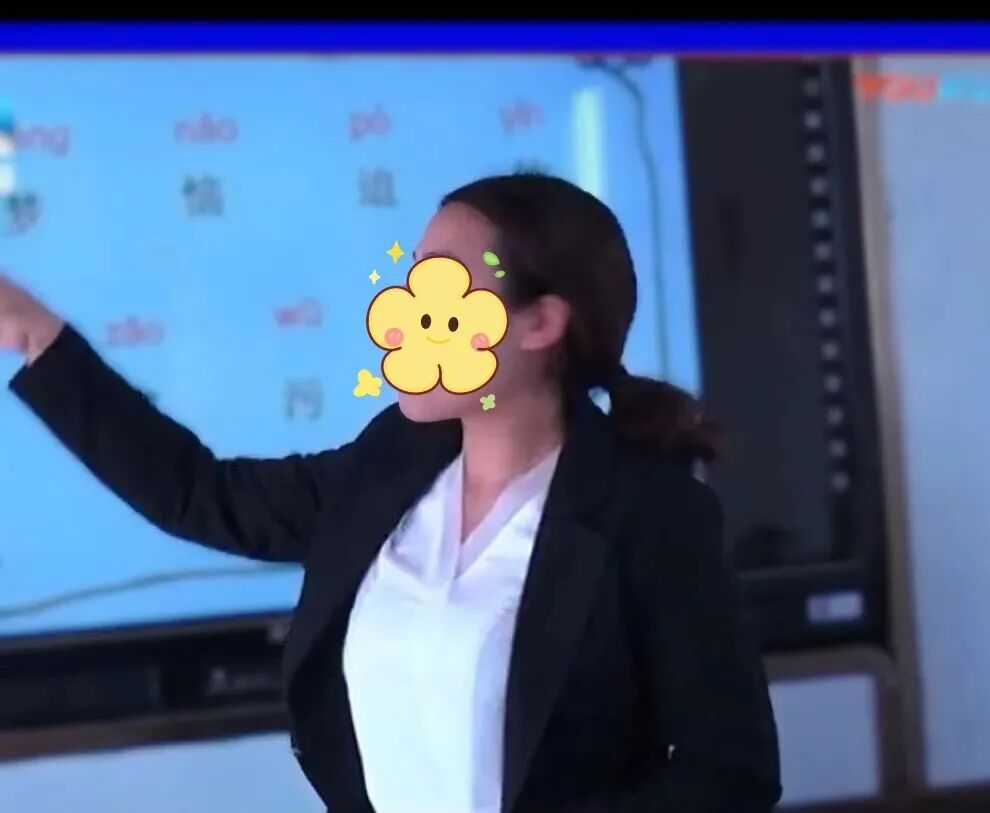
It was under this all-round protection that my recovery went unusually smoothly. After discharge I attended reviews on time and took my medication as directed. Three years after transplant, I successfully returned to the classroom and continued the teaching work I love.
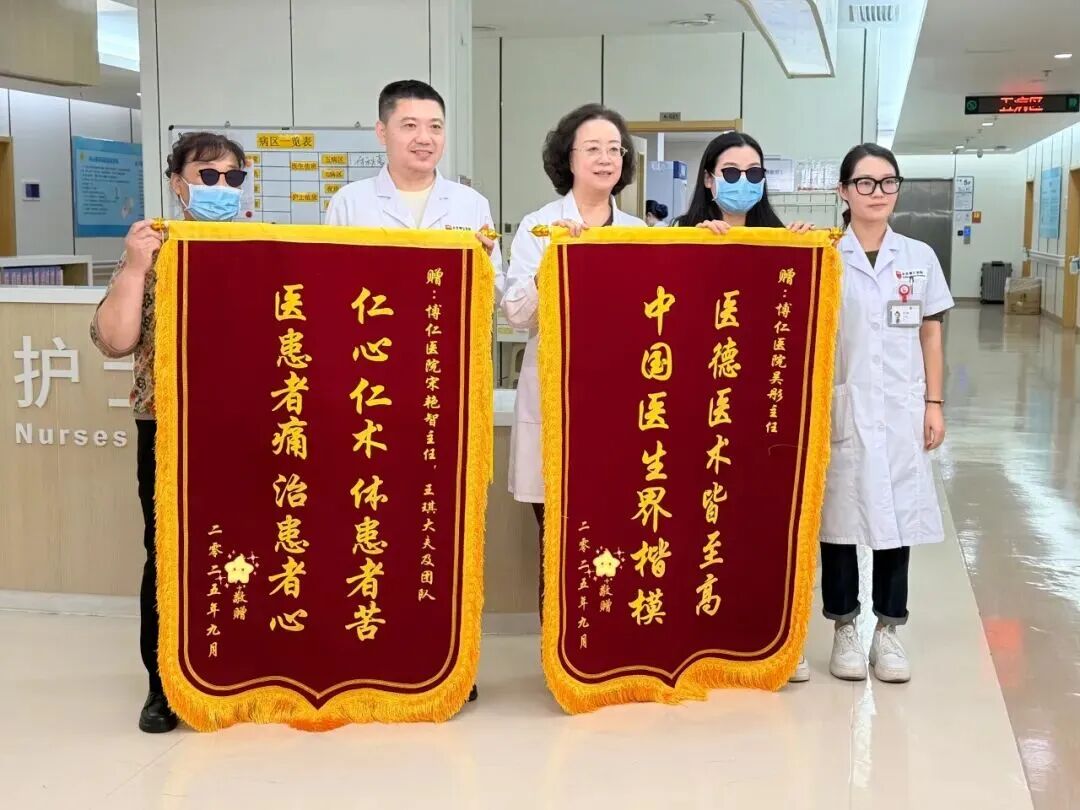
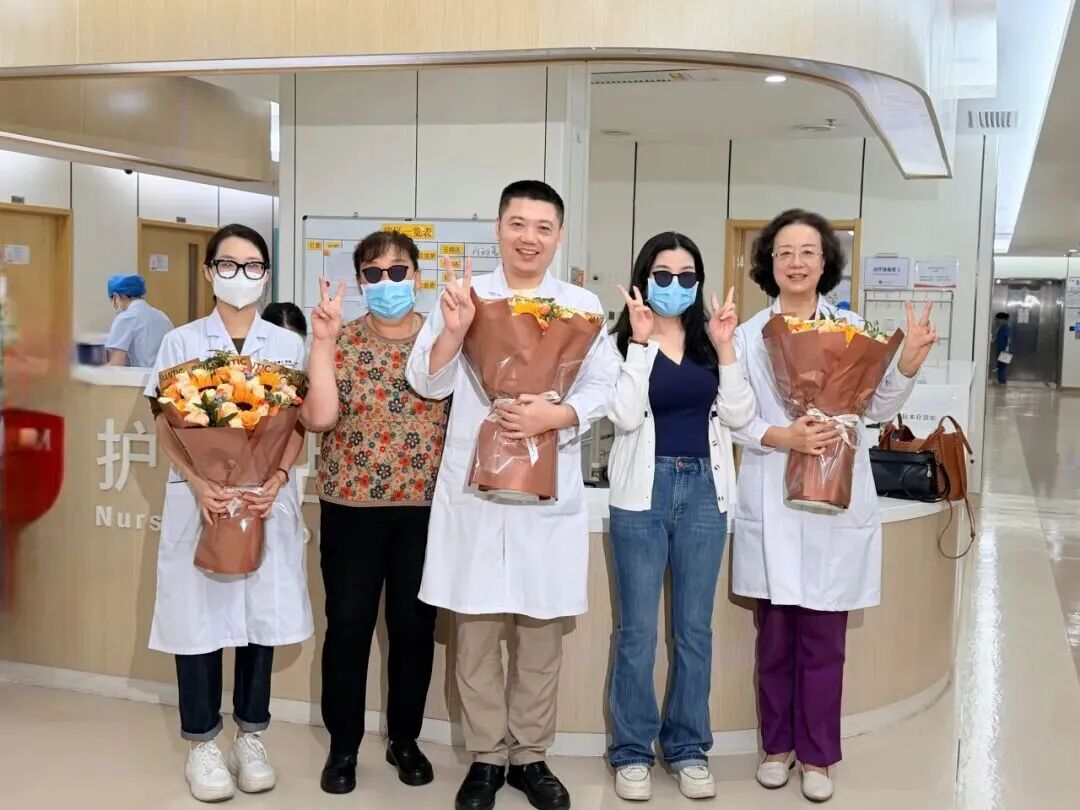
Today I have passed the five-year review with all indicators stable, and I am sincerely grateful to Boren Hospital for the new life it gave me. To express our family's gratitude, when I came to Beijing for the review my mother and I had a silk banner specially made and delivered to the hospital. The words "heal the patient's pain, treat the patient's heart" are our most genuine feelings. Boren Hospital did not only cure my disease — it also soothed the spirit that illness had tormented.
This experience of fighting the disease has also given me a deeper understanding of life and of treatment, and I hope my experience can bring some strength to fellow patients.
First, the choice matters. Do your research from multiple sources and choose an experienced hospital and medical team, so you take fewer detours.
Second, listen to the doctors. I once sneaked food because I could not resist, and had diarrhoea several times. Take the doctor's words to heart — do not gamble with your own life.
Third, keep a good state of mind — a good mindset is the best medicine. Inside the transplant unit I learned deeply: "Treat yourself like a child; just eat and sleep well every day." Do not over-search your condition, do not self-diagnose, and do not readily assume every symptom you read about is yours.
Finally, cooperate actively with treatment. I have always believed that "listening to the doctor beats guessing on your own". Whatever medicine the doctor tells you to take, whenever they tell you to come for review — follow it strictly. Consolidation treatment after transplant is also critical; never leave it to luck.
Now, every time I stand at the lectern, I am deeply grateful. The progress of modern medicine has given us more hope of living. However long the night, dawn will come at last. As long as we hold on to hope and cooperate actively, we will surely meet the new life that belongs to us.
Case commentary — Dr. Wang Qi, Dr. Song Yanzhi's team
Every time I read through Teacher Yuanyuan's medical record I am filled with emotion. The patient came to our hospital through great difficulty, and with tenacious willpower she wrote the story of walking step by step from the edge of a cliff back into the sunlight.
When I first met her, behind that quiet demeanour lay deep helplessness — a gene that repeated chemotherapy could never clear, like a sword hanging overhead. We all knew that for Ph+ ALL, without eliminating this enemy at the molecular level, the surface calm could be broken at any time. Making the decision to "intensify conditioning and transplant as soon as possible" required courage, and even more, precise judgement. Thankfully, with extraordinary willpower, she withstood this "battle to clear the city".
What gratifies me most is not the cold laboratory data turning negative, but the light that gradually rose in her eyes during those days in the unit. From initial anxiety and insomnia to being able to joke easily with me — that change in mindset is as precious as the recovery of her blood counts. The mild skin GVHD when she left the unit was like the body gently "saying hello", reminding us that this handover of life had been completed smoothly.
Five years have passed and all her indicators remain steadily on the normal track. But what gratifies me more is the state of life she has regained — not only alive, but living brilliantly and meaningfully. When she said she wanted to "turn this experience into a life-education lesson for my students", I knew the meaning of this treatment had gone beyond medicine itself.
What physicians can do is provide the most professional strategy and the firmest protection; the miracle of life always belongs to those who, like Teacher Yuanyuan, still choose to believe in their darkest hour and walk towards the light with all their strength. This medical record is the most moving lesson plan she has written with her own life.
Treatment timeline
- October 2019Diagnosed with Ph+ acute lymphoblastic leukaemia (BCR-ABL1 p190, 52.79%); told she might not survive 15 days.
- Late 2019 – early 2020Multi-line therapy near home with severe complications; morphological remission reached but fusion gene never durably negative.
- May 2020Came to Beijing GoBroad Boren Hospital; personalised plan of targeted therapy plus chemotherapy from Prof. Wu Tong and Dr. Song Yanzhi.
- 29 June 2020Entered the transplant unit and began intensified conditioning chemotherapy with GVHD prophylaxis.
- 10 July 2020Unrelated-donor allogeneic haematopoietic stem cell transplant (HLA 9/10 matched); platelets engrafted on day +13, white cells on day +17.
- March 2021Eight months after transplant, discharged and returned to her hometown in Hubei with only mild skin GVHD.
- 2023Three years after transplant, returned to the classroom and resumed teaching.
- 2025Passed the five-year review with all indicators stable; presented a silk banner of thanks to the hospital.
About the specialist
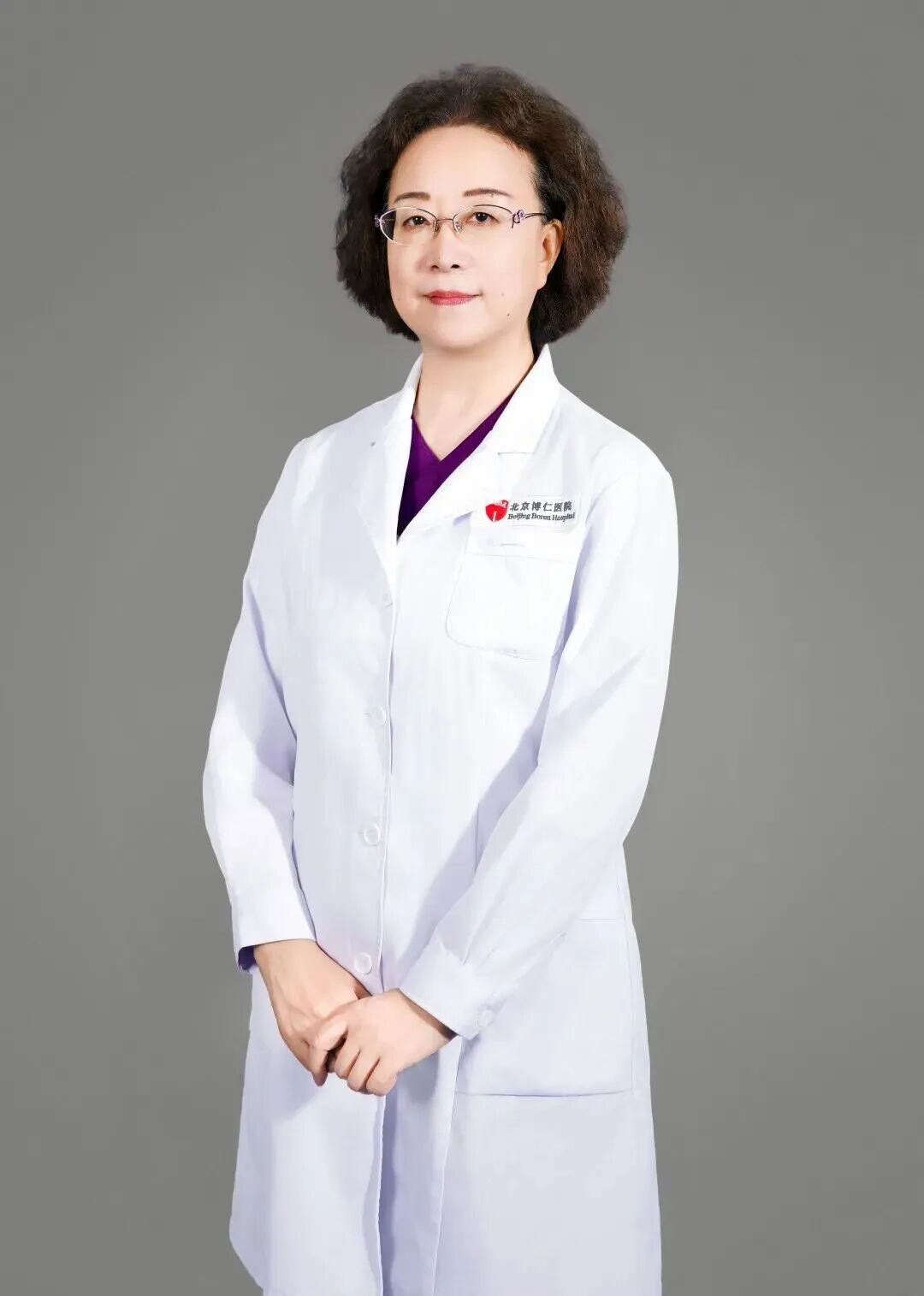
Prof. Wu Tong — Director, Haematology Dept. II (HSCT) and Medical President, Beijing GoBroad Boren Hospital
- · Over 30 years in haematopoietic stem cell transplantation; an internationally recognised transplant expert with several thousand transplant cases.
- · Particular expertise in choosing the transplant modality, rescuing severe GVHD and infection, transplant for refractory/relapsed leukaemia and prevention of post-transplant relapse.
- · Post-transplant immunotherapy (leukaemia, viral and fungal), transplant in elderly leukaemia, sequential transplant after CAR-T, and second allo-HSCT.
- · Graduated from Beijing Medical University (now Peking University Health Science Center); postdoctoral fellow at the US National Institutes of Health (NIH), 1996–2000, researching gene therapy of haematopoietic stem cells.
- · 1986–2006 at the Institute of Haematology, Peking University People's Hospital (resident, attending, associate chief physician); joined Beijing GoBroad Boren Hospital in May 2017.
- · Committee member of the APBMT Academic Committee; standing committee member of the Chinese Anti-Cancer Association Haematological Oncology Committee and deputy leader of its HSCT and Cell Therapy Group.
- · Editorial board member of the Chinese Journal of Hematology, Journal of Clinical Hematology, Hematology/Oncology and Stem Cell Therapy and Blood (Chinese Edition); executive editor of Hematology and Oncology Discovery.
- · Over 90 published papers and dozens of presentations at international conferences; recipient of national and municipal science and technology progress awards and the APBMT Top Ten Papers and Outstanding Presentation awards.
Source: GoBroad Medical Forum (WeChat) — republished with our affiliated partner's authorisation