In Vitro Fertilization (IVF) in China
IVF is an assisted reproductive technology in which eggs and sperm are combined outside the body in a laboratory to create embryos, which are then transferred into the uterus. Since the world's first IVF birth in 1978, millions of children have been born through this pathway. Privilege Medical coordinates every step for international patients — from remote pre-screening to on-site treatment and follow-up.

What Is IVF?
"In vitro" means "in glass." IVF refers to the process of fertilizing an egg with sperm outside the body, then transferring the resulting embryo into a woman's uterus. A typical cycle takes about 4–6 weeks from the start of stimulation to embryo transfer.
Who Is IVF For?
- Tubal FactorBlocked, damaged or absent fallopian tubes — IVF bypasses the tubes entirely.
- Severe Male FactorLow count, poor motility or abnormal morphology — addressed with ICSI.
- EndometriosisModerate to severe endometriosis affecting natural conception.
- Unexplained InfertilityWhen standard workup finds no cause after 12+ months of trying.
- Advanced Maternal AgeDiminished ovarian reserve or age-related fertility decline.
- Genetic Screening (PGT)Couples at risk of transmitting inherited disease or recurrent miscarriage.
Inside a Full IVF Cycle
Ovarian Stimulation
Daily injectable gonadotropins (FSH/LH) with GnRH agonists or antagonists stimulate the ovaries to mature multiple eggs. Progress is tracked with serial estradiol blood tests and transvaginal ultrasound. When follicles reach target size, an hCG or GnRH-agonist trigger finalises egg maturation.
Egg Retrieval
About 34–36 hours after the trigger, eggs are retrieved under light sedation. A thin needle is guided by ultrasound through the vaginal wall to aspirate follicular fluid. The procedure takes 15–30 minutes; eggs are transferred to culture medium immediately.
Sperm Preparation & Fertilization
A fresh or thawed semen sample is washed to select the most motile sperm. Eggs and sperm are combined in the dish (conventional IVF), or a single sperm is injected into each mature egg via ICSI when male-factor infertility is present.
Embryo Culture & PGT
Fertilization is confirmed the next morning. Embryos are cultured for 3–5 (up to 6) days in specialized incubators. Embryologists grade cell number, symmetry, fragmentation and blastocyst expansion. Optional Preimplantation Genetic Testing (PGT-A/M/SR) screens for chromosomal or single-gene disease.
Embryo Transfer
Selected embryos are placed into the uterus via a thin catheter under ultrasound guidance — typically painless and without anesthesia. Remaining viable embryos are cryopreserved for future frozen embryo transfer (FET). Progesterone support is given; a pregnancy test follows in 9–14 days.
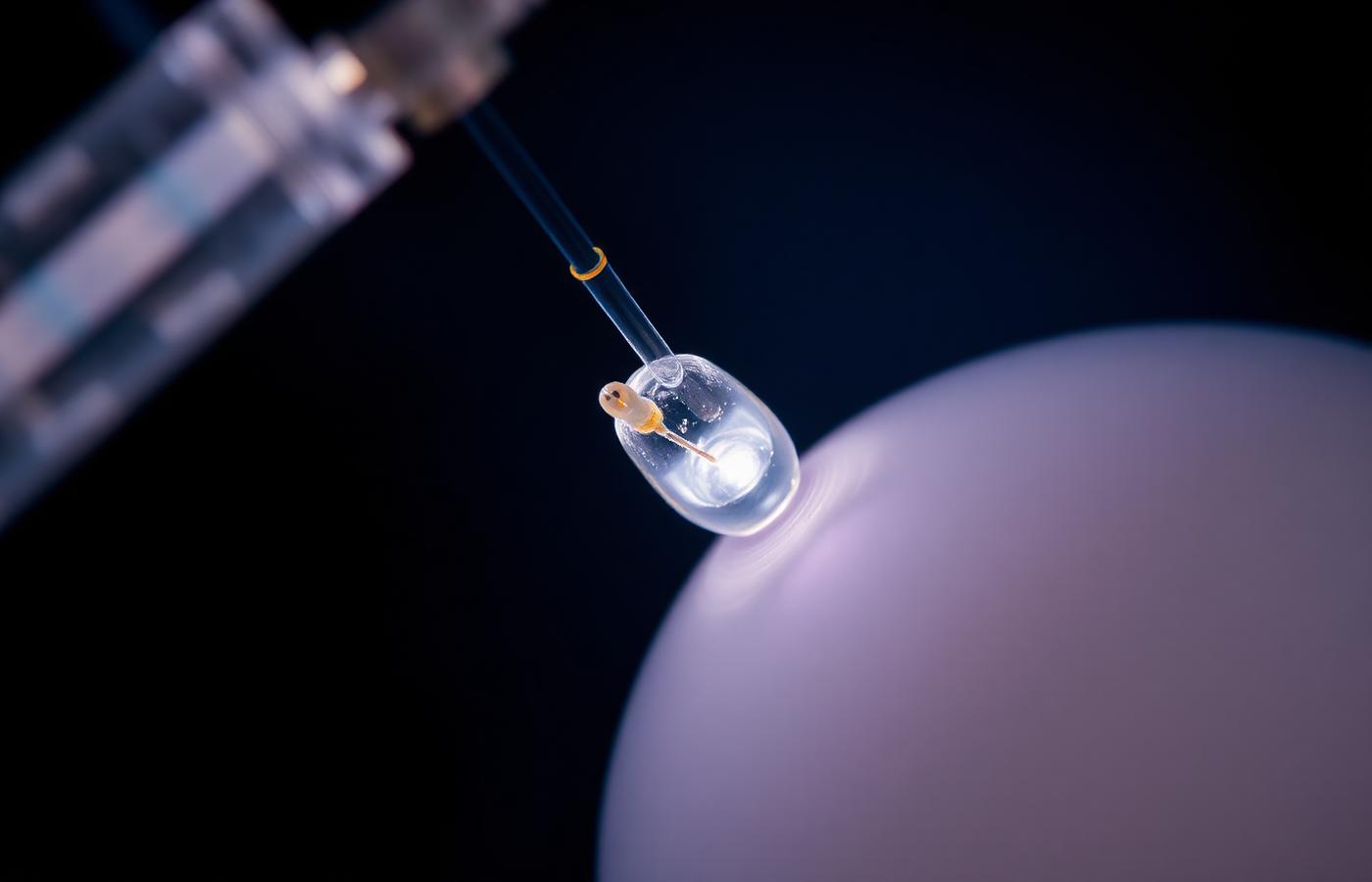
Micro-Precision at Cellular Scale
ICSI (Intracytoplasmic Sperm Injection) allows embryologists to place a single healthy sperm directly into a mature egg — overcoming even severe male-factor infertility.
Additional Options
Frozen Embryo Transfer (FET)
Freeze all embryos and transfer in a later, hormonally optimised cycle — often improves implantation and reduces OHSS.
Fertility Preservation
Egg or embryo freezing before cancer treatment, gender-affirming care, or elective preservation for future family planning.
Preimplantation Genetic Testing
PGT-A screens for aneuploidy; PGT-M for single-gene disorders; PGT-SR for structural rearrangements — selecting the healthiest embryo for transfer.
Why Patients Choose IVF
Highest Success Rates
Among fertility treatments for tubal factor, severe male factor and unexplained infertility.
Bypasses Blocked Tubes
Direct laboratory fertilization eliminates the need for functional fallopian tubes.
Genetic Screening
PGT reduces the risk of inherited disease and chromosomal-related miscarriage.
Fertility Preservation
Freeze eggs or embryos ahead of cancer treatment or for personal timing.
Multiple Attempts from One Retrieval
Surplus embryos can be frozen for future siblings or additional transfers.
Precise Control
Timing and number of embryos transferred are optimised — single-embryo transfer minimises twin risk.
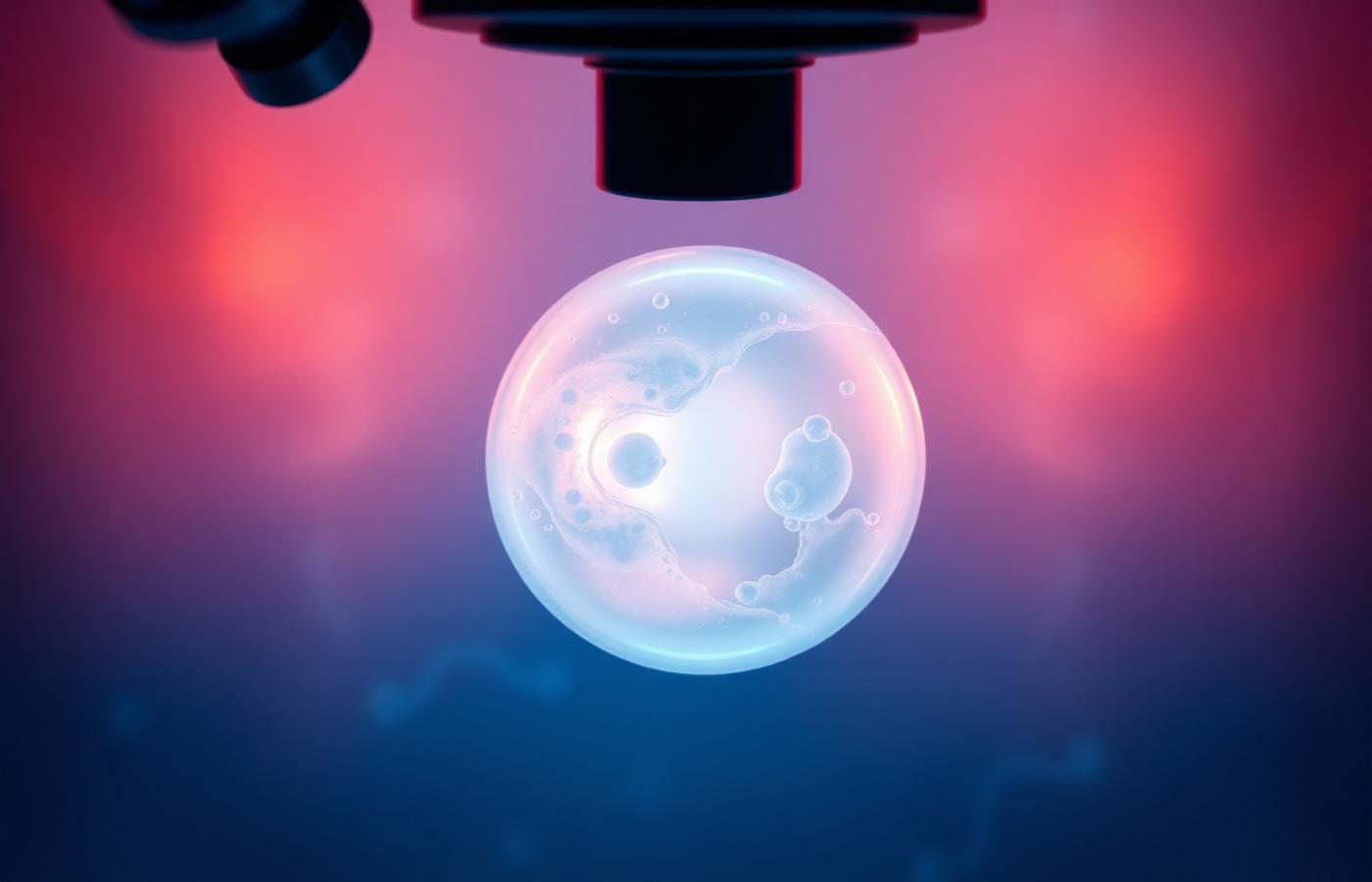
Outcomes Depend on Age and Underlying Cause
Live-birth rate per transfer for women under 35 (own eggs).
Live-birth rate per transfer after age 40–42 using own eggs.
Year of the world's first IVF birth — millions of children have followed.
Cumulative success improves with multiple cycles or use of frozen embryos. Miscarriage rates after IVF are similar to natural conception and rise with maternal age.
What to Be Aware Of
Ovarian Hyperstimulation (OHSS)
Usually mild; severe cases are rare with modern antagonist protocols.
Multiple Pregnancy
Mitigated by elective single-embryo transfer (eSET).
Procedural Risks
Mild bruising from injections; rare bleeding or infection from retrieval.
Ectopic Pregnancy
Approximately 1% risk — monitored closely after transfer.
Emotional stress is common during treatment; counselling and dedicated coordinator support are part of our concierge service. Any slightly elevated risk of preterm birth or specific birth defects is largely related to underlying infertility factors or multiple gestation rather than IVF itself.
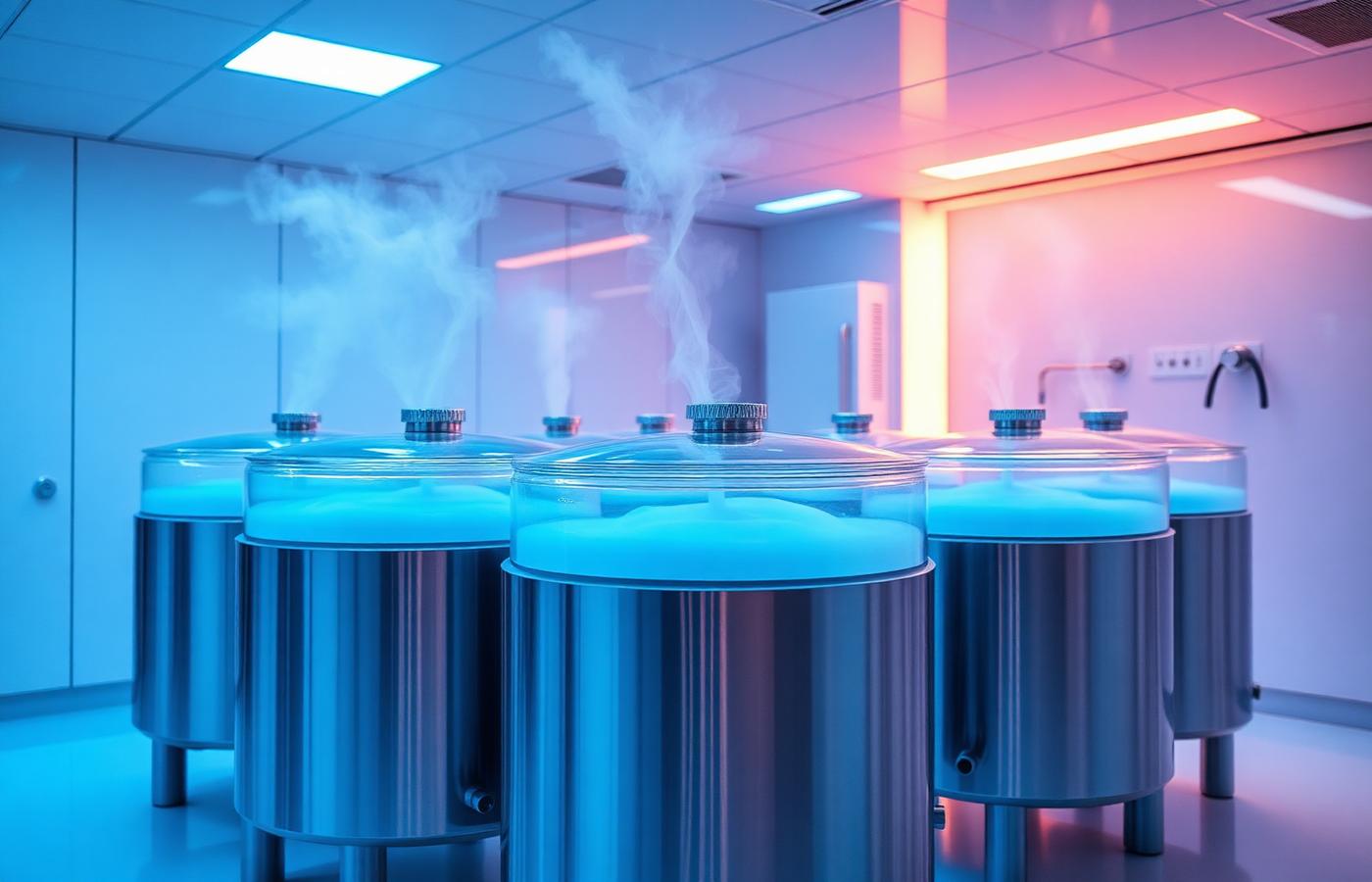
Vitrification Preserves Future Options
Ultra-rapid vitrification freezes eggs, sperm and surplus embryos at −196 °C in liquid nitrogen. Survival and pregnancy rates from frozen embryo transfer now rival — and often exceed — fresh cycles.
Why Consider IVF in Hong Kong or Mainland China?
IVF in Hong Kong or mainland China can offer meaningful advantages for international patients — particularly in cost, access, clinical volume, expertise, and logistics compared with many Western countries. Both places have strict eligibility rules, and the experience differs significantly between Hong Kong and the mainland.

1. Cost Advantages
Mainland China: A full IVF cycle at reputable Class 3A (top-tier public) hospitals typically ranges from about US$3,000–8,500, depending on the city, package, and add-ons such as ICSI or PGT. This is substantially lower than the US (often US$15,000–30,000+ per cycle excluding medications and travel) or many European private clinics. Hong Kong: Private clinic packages commonly fall in the HK$80,000–150,000+ range (roughly US$10,000–19,000+). Costs are higher than mainland China but still often competitive with the US, UK, Australia, or Singapore for high-quality private care. Overall, China (especially mainland) offers clear price competitiveness for standard IVF + common add-ons, while Hong Kong sits in a mid-to-premium tier with strong service standards.
2. High Clinical Volume, Experience, and Success Rates
Mainland China performs a very large number of IVF cycles annually at major centers (Beijing, Shanghai, Guangzhou, etc.). High-volume experience supports refined protocols, advanced embryology labs, and solid published clinical pregnancy rates — often 50–60% per transfer for women under 35 at leading centers, comparable to good Western benchmarks. Hong Kong clinics operate under strict regulation by the Council on Human Reproductive Technology and generally maintain high laboratory standards, English-speaking or bilingual staff, and transparent reporting. Success rates are competitive with regional peers, though absolute cycle volumes are lower than major mainland centers. Both locations use modern techniques (ICSI, blastocyst culture, time-lapse monitoring, PGT where medically indicated). Some mainland programs also integrate Traditional Chinese Medicine support.
3. Regulatory Framework and Eligibility for Foreigners
Both jurisdictions require a legal marriage between a man and a woman. Unmarried individuals, same-sex couples, and (in most cases) donor gametes or commercial surrogacy are not permitted for treatment leading to pregnancy. Mainland China: Married foreign couples can access IVF at licensed facilities. Requirements typically include a valid (translated and notarized/apostilled) marriage certificate, passports, visas, and medical records. Age limits exist in practice (often female age up to ~45–50 depending on the clinic). Standard IVF, ICSI, PGT for medical reasons, and embryo freezing are allowed; social egg freezing and third-party donation/surrogacy are restricted. Hong Kong: The Human Reproductive Technology Ordinance and Code of Practice limit treatment to married heterosexual couples. Foreign married couples can use private licensed centers. Public services are primarily for Hong Kong permanent residents. Recent regulatory updates have relaxed some storage-period rules for gametes/embryos for own use.
4. Access, Waiting Times, and International Patient Services
Mainland China: International patients can often start relatively quickly once documents and visas are in order. Major cities have international departments or partner concierge services that assist with appointments, translation of records, medical invitation letters for S1/S2 visas (or visa-free entry for certain nationalities for shorter stays), and logistics. High patient volume means efficient processes once inside the system, though navigation of public hospitals can be complex without help. Hong Kong: Private clinics typically offer short waits, English-capable staff, Western-style service standards, and easier logistics for many international travelers — excellent airport connectivity, widespread English use in professional settings, and straightforward visa policies for many nationalities. It functions as a convenient regional hub.
5. Quality, Safety, and Supporting Infrastructure
Mainland top-tier (Class 3A) hospitals and select international-standard private facilities use advanced equipment and high-volume expertise. Some hold JCI or equivalent international accreditations. Hong Kong benefits from a well-regulated system, strong laboratory standards, and a transparent legal environment under the Council on Human Reproductive Technology. The city offers high-quality overall healthcare, reliable follow-up options, and a comfortable living environment for the treatment period. Both locations allow embryo freezing and later frozen embryo transfer (FET), which can reduce the need for repeated full cycles.
6. Practical Merits for Foreign Clients
Geographic convenience: Especially attractive for patients from Asia, the Middle East, Australia, or those already traveling in the region. Hong Kong is a major international aviation hub; mainland hubs (Beijing, Shanghai, Guangzhou, Shenzhen) are also well connected. Comprehensive packages and support: Growing medical tourism infrastructure includes translation, airport transfers, accommodation assistance, and coordinated care. Potential for multiple cycles or PGT: Lower base costs in China make sequential cycles or genetic testing more financially feasible for some families. Regulatory clarity on marriage and own-gamete use: Reduces ambiguity for couples who prefer (or require) treatment strictly within a marital framework using their own gametes.
Important Caveats and Considerations
- Documentation and logistics: Marriage certificate authentication/notarization, medical records translation, and appropriate visas are essential. Planning several weeks to months ahead is wise.
- Language and navigation: Hong Kong is generally easier for English speakers. Mainland public hospitals benefit greatly from an international patient coordinator or medical tourism facilitator.
- Travel and stay duration: A full cycle requires presence for stimulation monitoring, retrieval, and transfer (often 2–4+ weeks, or more for FET protocols). Multiple trips may be needed.
- Insurance: International patients usually pay out-of-pocket; domestic Chinese insurance does not cover foreigners.
- Success is individual: Outcomes depend far more on age, ovarian reserve, sperm quality, and embryo factors than on the country. Top clinics in either location can deliver excellent results, but no destination guarantees success.
- Legal and ethical limits: No commercial surrogacy or unrestricted donor programs in either place. Patients needing those options must look elsewhere.
Summary Comparison for Foreign Clients
Mainland China
Best for cost efficiency, high clinical volume, and extensive experience with complex cases.
Hong Kong
Best for convenience, English-language service, regulatory transparency, and a Western-style private-care experience (at higher cost).
Free Case Feasibility Assessment
Start your medical journey to China
Based in Hong Kong and serving international patients, Privilege Medical bridges you to leading Class 3A and JCI-accredited hospitals in mainland China. We do not provide medical care directly — we coordinate specialist matching, medical visa support and on-the-ground concierge from your first enquiry to post-treatment follow-up.
Complete the form below. Our coordination team responds within 1–2 business days with a complimentary assessment covering clinical feasibility, specialist matching and an indicative admission timeline.
Privacy Notice
Privilege Medical is a Hong Kong–based medical concierge and does not provide clinical care. Personal data and medical information you submit are collected, held and used strictly for the purposes of case assessment, specialist matching and coordination of medical services in mainland China, in accordance with the Personal Data (Privacy) Ordinance (Cap. 486) of Hong Kong.
Your data may be transferred to our partner hospitals, treating clinicians and authorised service providers (including translators and travel coordinators), some of whom are located outside Hong Kong. We take reasonable steps to keep your information confidential and secure, and we do not sell your data to any third party.
You have the right, under the PDPO, to request access to and correction of the personal data we hold about you, and to withdraw consent at any time by writing to service@privilegemedical.com. Information submitted via this form is not encrypted end-to-end; please avoid including highly sensitive identifiers (e.g. ID numbers) in the free-text fields.