Paediatric Lymphoma · Risk-Stratified Chemotherapy + Targeted Therapy · 15 April 2026
Patient Voices | A 9-year-old girl with high-risk T-lymphoblastic lymphoma/leukaemia completes intensive chemotherapy and enters maintenance
Diagnosis
T-lymphoblastic lymphoma/leukaemia (T-LBL), stage IV CNS3, high-risk group
Age
9 years old (girl)
Molecular findings
NUP214-ABL1 fusion and other adverse-prognosis genes; NOTCH1-related mutation (associated with improved prognosis in some studies)
Treatment
Individualised paediatric high-risk protocol chemotherapy combined with targeted therapy, dynamically adjusted throughout
Hospital
Beijing GoBroad Boren Hospital — Dept. of Haematology III (Paediatric Haematology/Oncology)
Latest status
Sustained deep remission; all intensive chemotherapy completed, now in 18-month maintenance therapy with a TKI
Key message
At Boren Hospital the 5-year disease-free survival for newly diagnosed paediatric T-LBL reaches 83%, versus 60–70% nationally
In April 2025, nine-year-old Mango was diagnosed with T-lymphoblastic lymphoma/leukaemia at an outside hospital. After careful consideration the family resolutely chose to travel to Beijing Boren Hospital to seek care from Prof. Zhang Yonghong's team. On admission, the team completed a comprehensive assessment based on the features of Mango's disease and tailored an individualised treatment plan, using paediatric high-risk protocol chemotherapy combined with targeted therapy, adjusting the regimen dynamically and treating strictly to protocol throughout. After systematic treatment, Mango achieved sustained deep remission and has now smoothly entered the maintenance phase. Discharged and recovering at home, she is gradually regaining her health and, step by step, reclaiming her colourful childhood.
A happy family struck by the unexpected — a 9-year-old daughter diagnosed with lymphoma
Like every parent in the world, I never imagined the word "lymphoma" would have anything to do with my daughter Mango. She had always been physically strong and was tall for her age; she had given us almost nothing to worry about as she grew up. Then, in early April 2025, a small lump suddenly appeared below her left collarbone. Anti-inflammatory medicine eased it slightly, but the strange swelling left us uneasy, so we took her to the local hospital for a full check-up. Who could have known that this one examination would send our lives off the rails like a derailed train — the blood count showed an abnormally high white cell number, and the doctor immediately advised admission for further tests. Bone marrow aspiration, lumbar puncture, pathology… one test after another, until we could barely breathe.
When the diagnosis of "T-lymphoblastic lymphoma/leukaemia" finally came, my world seemed to stop. The shock was so great that I could not accept it; fear, denial and helplessness churned inside me. Mango was already in her third year of primary school. Looking at the sign of the haematology-oncology department, she asked me timidly, in a small voice: "Mum, do I have a tumour?" I held back the sting in my eyes and the panic in my heart and comforted her, pretending to be calm. What hurt even more was that we dared not tell the grandparents the truth — they are elderly and could not have borne such a blow — so we told them the child simply needed a few days of observation in hospital. All the fear, anxiety and pressure were carried silently by her father and me.
Heading north for care — seizing the critical treatment window
Because her illness could not be delayed, Mango began chemotherapy at the local hospital. At the same time we faced the hardest decision we had ever made as parents: where should we take our daughter for the best possible treatment?
Just as we were at a loss, a phone call from a friend brought hope. Her own child had developed lymphoma back in 2017 and had been treated and cured at Beijing Boren Hospital, so she strongly recommended Prof. Zhang Yonghong, saying plainly that she is an authority in paediatric lymphoma with extremely rich clinical experience. Later we learned that the local hospital we had been attending was itself a member unit of the national Chinese Net Childhood Lymphoma collaborative group (CNCL), which Prof. Zhang had founded. While we were still hesitating, one sentence from our friend woke us completely: "A child is not like other things — she has a long future ahead. Put everything else down; saving her life is what matters most."
On 16 April 2025, the fifth day after Mango's diagnosis, we rushed through the discharge formalities at the local hospital in the morning and set off for Beijing Boren Hospital with our child that same afternoon. We had no choice but to entrust our second child — just one year old and only newly able to say "Mum" and "Dad" — to the grandparents. As parents we were full of guilt, but there was no alternative: for Mango's life, we had to give everything.
Looking back now, this was without doubt the most correct and decisive choice we ever made for our daughter. As a newly diagnosed patient, Mango was not only diagnosed promptly but also found a professional team straight away, without a single detour. For lymphoma, standardised and timely intervention is exactly what determines the outcome. Mango was unlucky — but to receive clear guidance at a moment of confusion was the great fortune within that misfortune.
An individualised plan takes on the disease — an optimistic girl breaks through
After arriving at Beijing Boren Hospital, the work began at once, intense and orderly. Prof. Zhang Yonghong's team immediately completed a full re-examination and disease assessment, and genetic testing came back quickly: several adverse-prognosis genes including a NUP214-ABL1 fusion were confirmed, together with a NOTCH1-related mutation, which in some studies is associated with improved prognosis. Taking into account Mango's disease subtype, bulky tumour mass and central nervous system involvement, the team swiftly designed a personalised plan of chemotherapy combined with targeted drugs.
The road that followed was like a journey through brambles, every step a challenge: myelosuppression from chemotherapy, repeated infections, persistent high fevers, ulcers in the mouth and perianal area… Each obstacle tormented not only Mango's body but the hearts of our whole family. As a mother, I went from being an ordinary parent with only a vague fear of the disease to studying nursing knowledge desperately — learning oral care, how to recognise signs of infection, how to plan nutritious meals. Again and again I told myself: I must become my child's firmest support, her warmest backing.
Fortunately, the treatment worked well: the tumour shrank markedly and the abnormal cells in the marrow fell sharply. At the interim assessment, imaging showed the tumour had reached "complete remission" and minimal residual disease in the marrow had turned negative. These good results marked a decisive stage victory in Mango's fight against cancer.
Still, whenever I recall the details of treatment — the suffering she bore, especially the way she fought back tears during bone marrow aspirations and lumbar punctures — my heart tightens. As a mother, I do not want her memory of these years to be only pale hospital rooms and the pain of treatment. I told her: illness is just one special chapter of life; it teaches us how precious health is and how much the time with family matters. I hope she understands that life has both smooth stretches and hard ones, and what matters is how we face them.
What comforts me most is that Mango's strength far exceeded my imagination. She soon found her own little world on the ward — playing games, editing short videos, folding paper stars, drawing — and filled her days with interest, and she especially loved joining activities at the hospital's "ward school". Even Prof. Zhang Yonghong could not help praising the rare sense of ease she carried. It was exactly this optimism and composure that carried her through the hardest stretch.
Professional care guards life; warm attention heals the heart
During those days at Boren Hospital, what we felt was not only outstanding professional expertise but also a warmth and care present in every small daily detail. However busy she was, Prof. Zhang Yonghong never missed her weekly ward round; each time she read the notes carefully, understood the condition in detail, and answered however many questions we had with patience. That professionalism and certainty gave us enormous confidence to face the difficulties. Dr Liu Ying did ward rounds almost twice a day, and even at weekends her busy figure could often be seen on the ward. Dr Liu Yang, Dr Peng Yali and others always answered our questions tirelessly, watching not only treatment progress but also the child's psychological state, attentive and thoughtful. The nursing team led by Head Nurse Zhang Rong was skilled and gentle, always doing their utmost to lessen the child's discomfort while offering kind words and warm companionship. This warmth behind professional care became the most solid strength supporting us forward.
Sustained remission — grateful companionship while waiting for the flowers to bloom
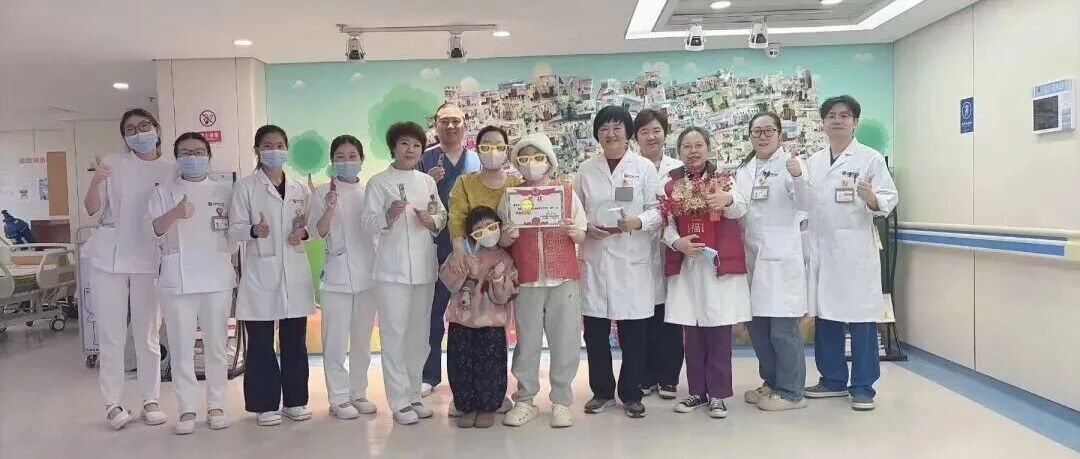
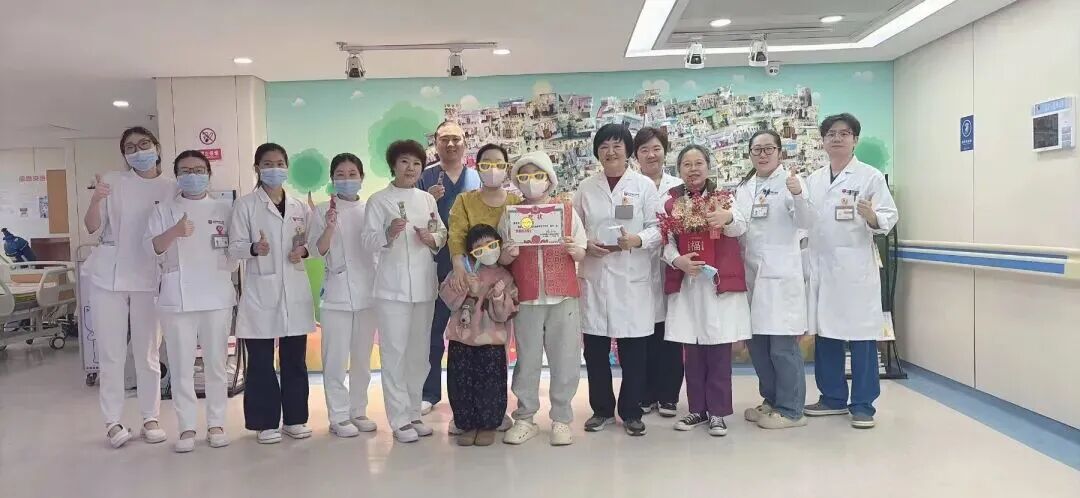
Today Mango has completed all intensive chemotherapy, her disease is in sustained remission, and she has entered an eighteen-month maintenance phase. On discharge day we took a warm group photo with the medical team and wrote a thank-you letter by hand — plain in its words, yet full of heartfelt gratitude. To express our thanks to every member of Prof. Zhang Yonghong's team, we also had a small trophy made; and Mango handmade Spring Festival gifts for each of the doctors and nurses who had cared for and accompanied her over the past year.
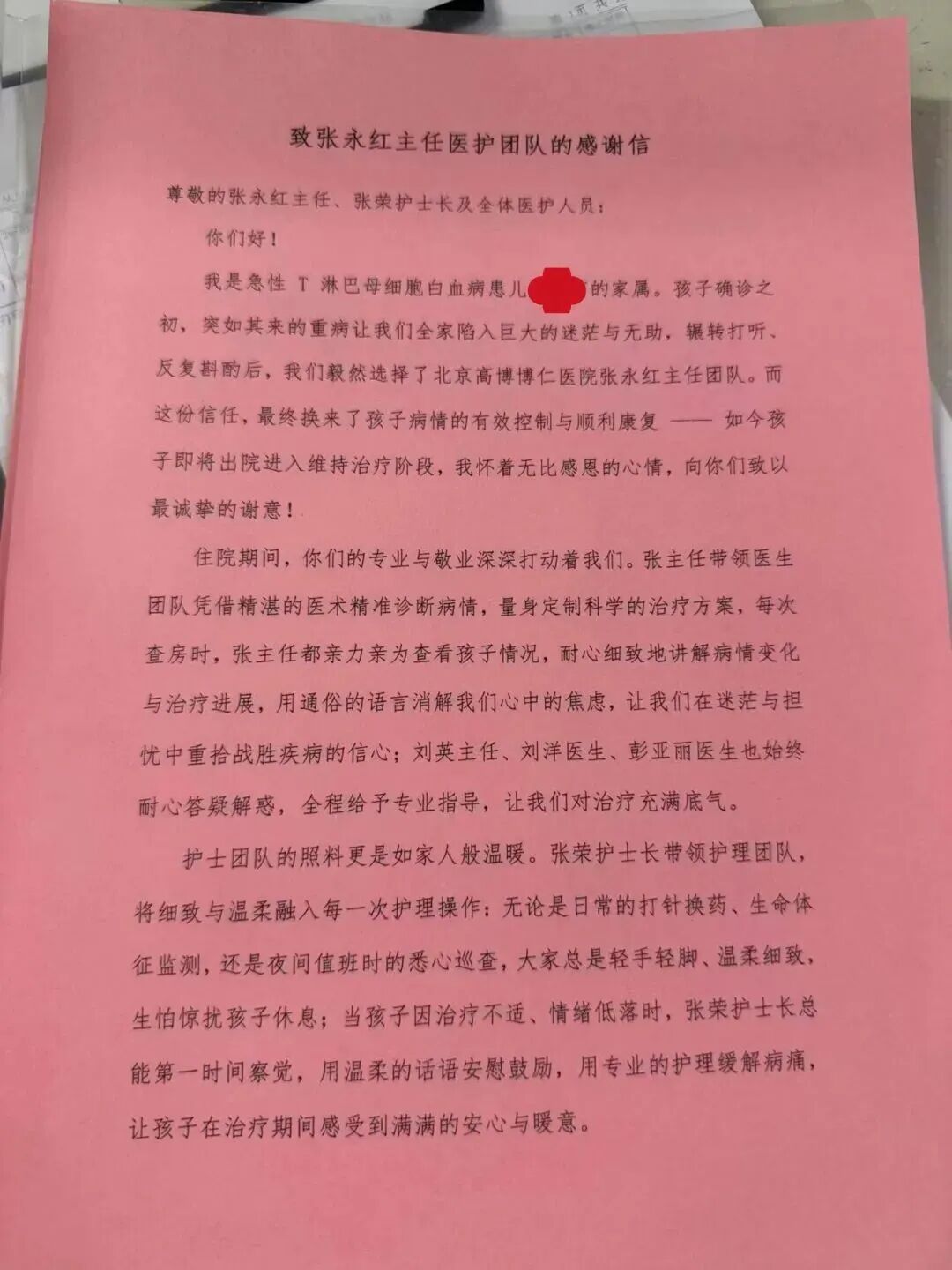
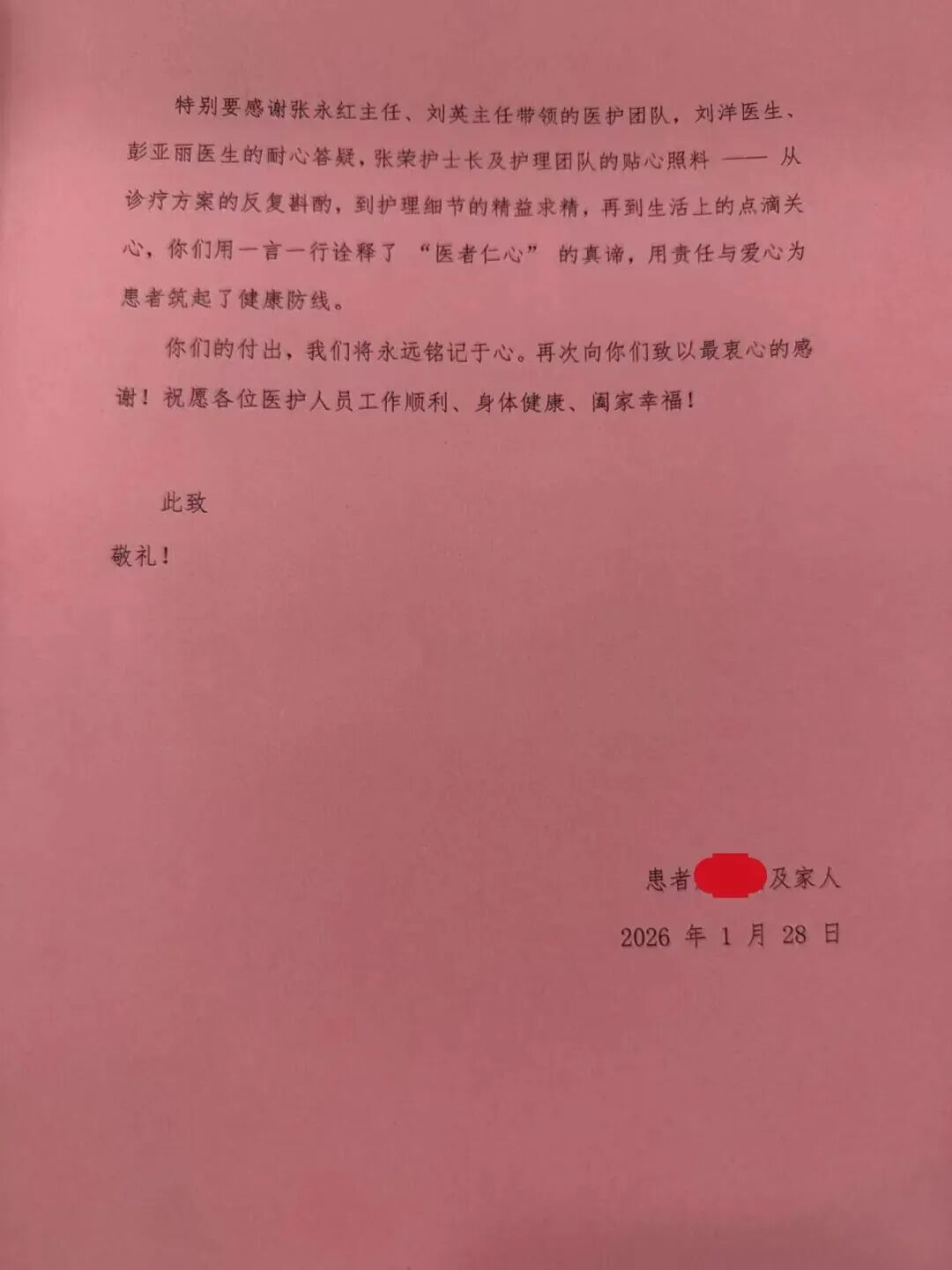
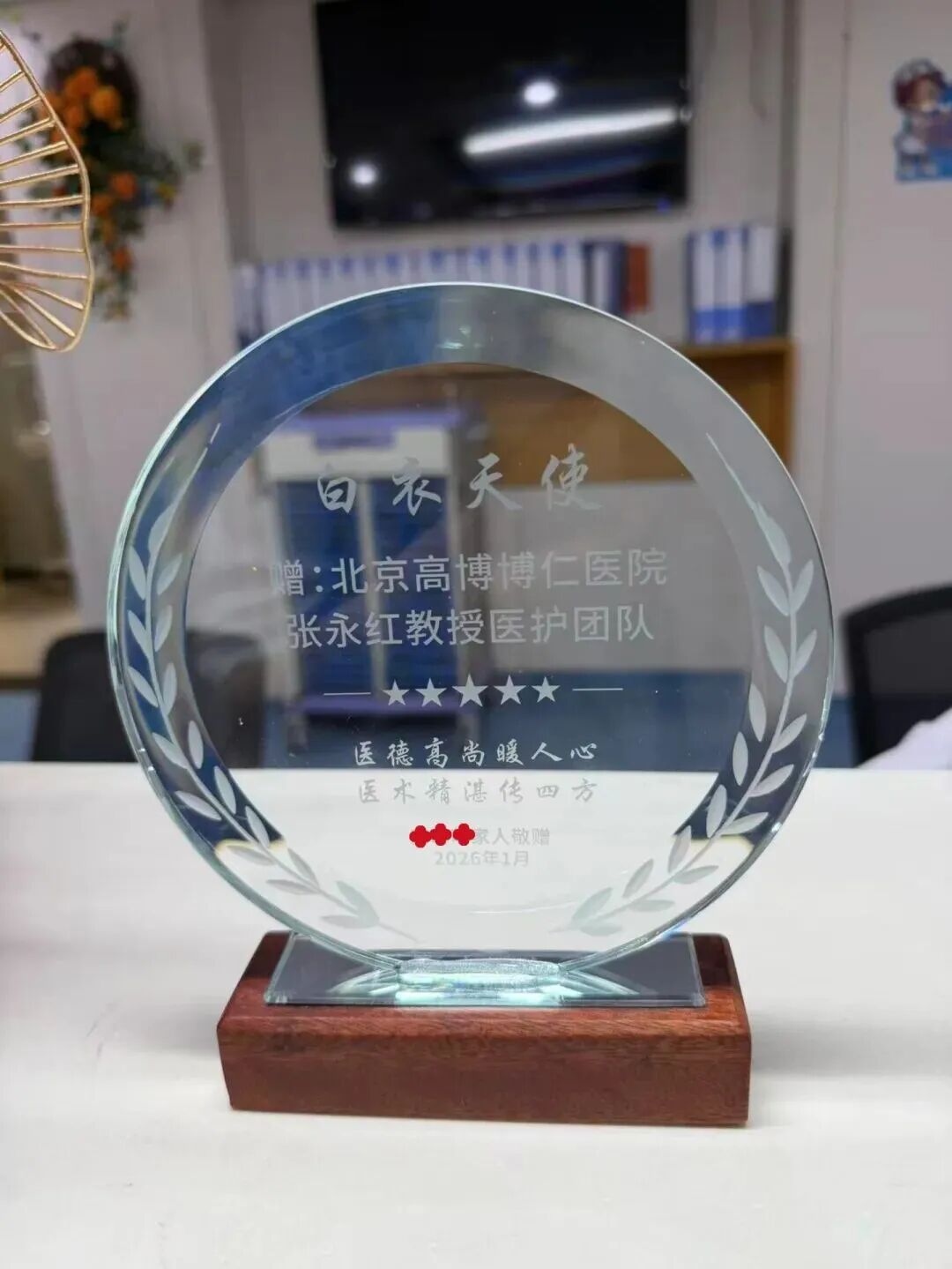
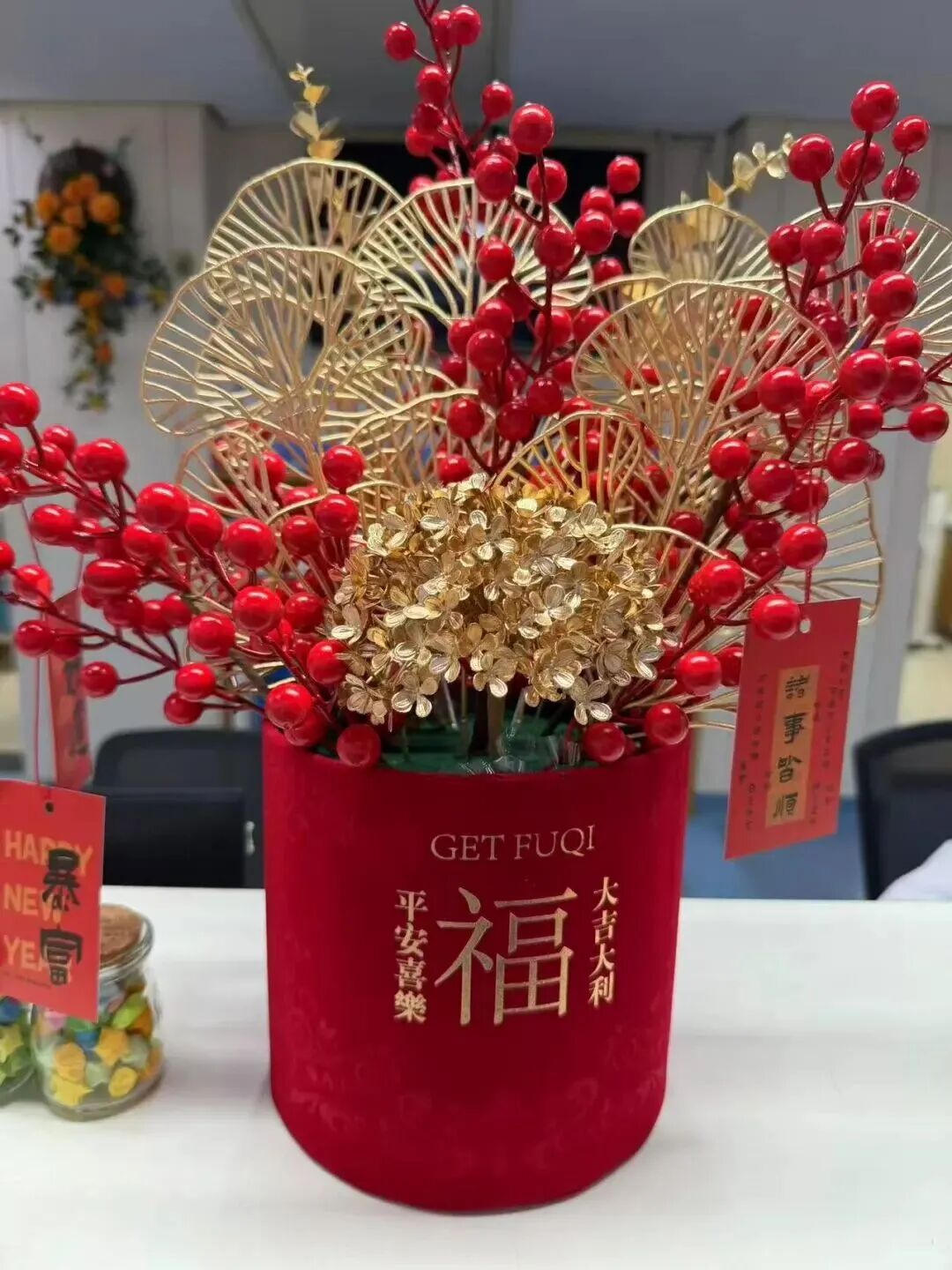
Looking back on nearly a year of fighting cancer, my feelings are hard to describe. I used to worry, like many parents, about my child's exam results; now our only wish is that she is safe and healthy. This unforgettable experience makes me want to say a few words from the heart to parents in similar situations:
1. Trust expertise and avoid detours. When facing a serious childhood illness, finding a professional, authoritative medical team is the crucial first step to effective treatment. When we first learned that Beijing Boren Hospital is a privately run hospital we had doubts too — a common prejudice among parents. But the facts proved otherwise: it brings together national authorities in paediatric lymphoma such as Prof. Zhang Yonghong and her team, its techniques are aligned with international standards, its processes are rigorous, and in efficiency and humanistic care it is even better.
2. Steady your own mind and manage your emotions. A parent's mood directly affects the child. However hard or frightening it feels inside, try to show the child your positive, strong side and face the illness together with a calm heart.
3. Take nursing care seriously and cooperate fully with the medical team. Treatment is not only the doctors' business — the family's nursing matters just as much. From nutrition and hygiene to infection prevention, every detail bears on the child's recovery.
4. Face difficulties rationally and seek support actively. The financial pressure of a serious illness is an unavoidable reality; look into national critical-illness insurance policies and charitable relief programmes and apply for whatever you qualify for. Family members should support one another through the hard times. During our time in Beijing, Mango's father registered as a food-delivery rider to share a little of the financial burden.
Mango is recovering steadily now and her old energy is gradually returning. Though the road has been hard, it has given our family a deeper understanding of what life means and of every kindness along the way. We firmly believe that Mango, having weathered the storm, will stride towards a bright, sunlit future of her own.
The specialist's view
Among paediatric non-Hodgkin lymphomas, lymphoblastic lymphoma is the second most common type, and about 70–80% of these are T-lymphoblastic lymphoma (T-LBL). Children with T-LBL often present with a bulky mediastinal mass and airway compression symptoms, and most have bone marrow involvement. Internationally, collaborative groups now report five-year disease-free survival above 80% for childhood T-LBL; the national average in China is 60–70%. In the paediatric haematology-oncology department at Boren Hospital, five-year disease-free survival for newly diagnosed childhood T-LBL reaches 83%.
The key to this improvement is a precise, risk-stratified treatment strategy based on adverse prognostic factors. Judging these factors requires dynamic, comprehensive assessment across immunophenotype, high-risk genetics, clinical stage and group, and early treatment response — including whether there is a bulky mediastinal mass; whether the immunophenotype carries myeloid expression or an early T-cell precursor pattern; whether high-risk molecular abnormalities such as MLL rearrangement, C-MYC rearrangement, SIL/TAL1 fusion, PTEN mutation, loss of heterozygosity on 6q or NOTCH fusion genes are present; whether remission is delayed at interim assessment; whether the chemotherapy course is markedly prolonged; and whether doses of core chemotherapy drugs are insufficient.
Reviewing the refractory and relapsed T-LBL cases we have received, some children had incomplete assessment of adverse prognostic factors: some had an early T-cell precursor phenotype missed on immunophenotyping; some had high-risk variants such as PTEN mutation missed because of the limitations of the genetic testing method; and some had interim assessment based on marrow testing alone while omitting tumour-site evaluation, or the reverse, so that remission status was judged inaccurately. Such problems can mean children are not escalated to a high-risk protocol in time, or even miss the optimal window for transplant when indicated. In addition, complications such as infection can delay chemotherapy, and complications like pancreatitis can affect the use of key drugs such as asparaginase. For newly diagnosed T-LBL, systematic and standardised whole-course management is therefore essential.
Take Mango as an example. At our hospital she was clearly diagnosed with T-lymphoblastic lymphoma stage IV CNS3, presenting with a bulky mediastinal mass, and a NUP214-ABL1 fusion gene was detected in the tumour cells; on that basis she was assigned to the high-risk group and treated with the high-risk protocol. Interim assessment showed complete remission, and at each key node of consolidation and delayed intensification, sustained remission was confirmed by both imaging and bone marrow MRD monitoring. She has now smoothly entered maintenance therapy combined with a tyrosine kinase inhibitor. We wish Mango a smooth course of treatment and a happy childhood.
This case shows that a stratified treatment strategy based on multi-dimensional prognostic assessment, together with meticulous management of every step of treatment, is the key to raising the cure rate of childhood T-LBL. We hope that sharing it will help more families understand this disease, so that more children are diagnosed early, treated to protocol and given the chance of cure.
— Dr Liu Ying, Prof. Zhang Yonghong's team. (This article is based on the account of the patient's family; pseudonyms are used to protect privacy. Individual conditions vary greatly — always follow your own doctor's advice.)
Treatment timeline
- Early April 2025A lump appears below Mango's left collarbone; local blood tests show an abnormally high white cell count and she is admitted for bone marrow aspiration, lumbar puncture and pathology.
- 11 April 2025Diagnosis confirmed as T-lymphoblastic lymphoma/leukaemia; chemotherapy begins at the local hospital.
- 16 April 2025Five days after diagnosis the family discharges in the morning and travels the same afternoon to Beijing Boren Hospital, to Prof. Zhang Yonghong's team.
- April 2025Full re-assessment and genetic testing: NUP214-ABL1 fusion plus other adverse genes and a NOTCH1-related mutation; staged as stage IV CNS3 with a bulky mediastinal mass and assigned to the high-risk group. An individualised paediatric high-risk chemotherapy plan with targeted therapy begins.
- Mid-2025Through myelosuppression, repeated infections, high fevers and mucosal ulcers, treatment continues with dynamic adjustment; imaging at interim assessment shows complete remission and bone marrow MRD turns negative.
- Late 2025 – early 2026Sustained remission confirmed by imaging and MRD monitoring at each key node of consolidation and delayed intensification.
- Early 2026All intensive chemotherapy completed. Mango is discharged, and enters an 18-month maintenance phase combined with a tyrosine kinase inhibitor.
About the specialist
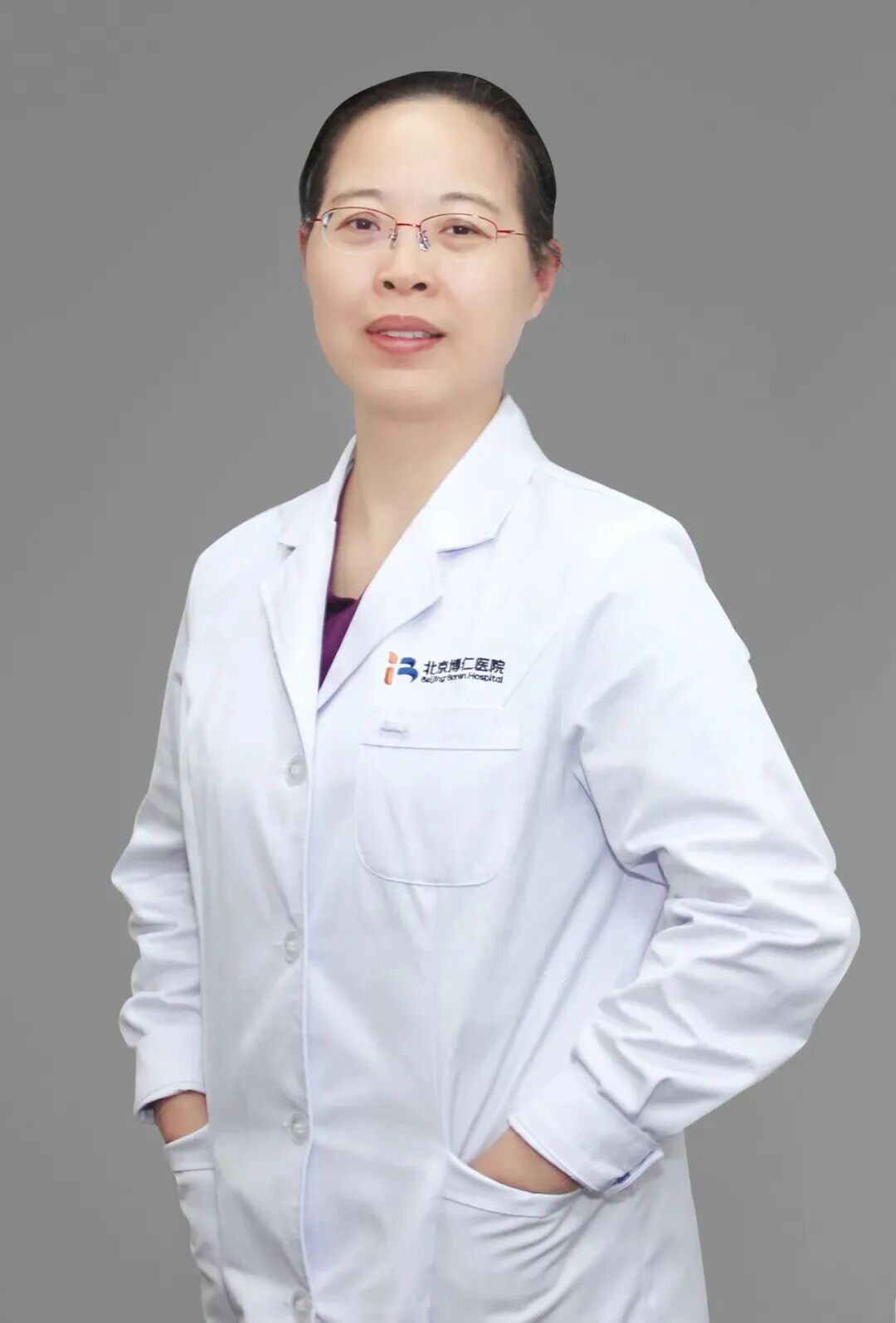
Dr Liu Ying — Ward Director, Dept. of Haematology III (Paediatric Haematology/Oncology)
- · Associate Chief Physician, MD; specialist and ward director, Dept. of Haematology III (Paediatric Haematology/Oncology), Beijing GoBroad Boren Hospital, GoBroad Medical (Haematology) Beijing Research Centre
- · Over 30 years in paediatric haematology-oncology; more than 20 years at the Chinese PLA General Hospital paediatric haematology-oncology department from 1995, joining Beijing GoBroad Boren Hospital in 2019
- · Expert in the diagnosis and treatment of paediatric haematological malignancies, with extensive experience in chemotherapy and critical care, particularly chemotherapy and immune/targeted therapy for childhood leukaemia and lymphoma
- · Over 20 first-author papers in core journals and 3 SCI papers; multiple oral presentations at EHA, ASH and the International Conference on Childhood, Adolescent and Young Adult Lymphoma
- · Editorial board member, Chinese Journal of Pediatric Blood and Cancer; member, Targeted Therapy Committee of the Chinese Women Physicians Association
- · Principal or co-investigator on trials including sequential multi-target CAR-T for refractory/relapsed paediatric B-cell lymphoma (ChiCTR2000030954) and donor-derived CD7 CAR-T for refractory/relapsed paediatric T-LBL (ChiCTR2100045863)
Source: Beijing GoBroad Boren Hospital / GoBroad Medical Forum