Paediatric Mixed-Phenotype Leukemia · Targeted Therapy & HSCT · 7 October 2026
A Seven-Year-Old with Rare Mixed-Phenotype Leukemia/Lymphoma Achieves Complete Remission after Precision Targeted Therapy and Transplant
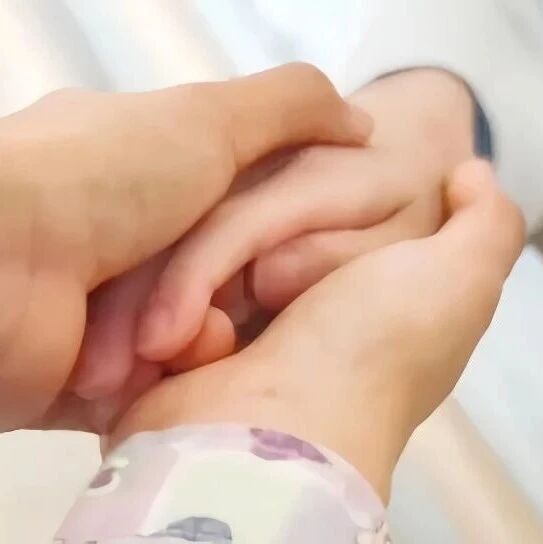
Patient
Xiao Le (pseudonym), boy aged 7 at diagnosis
Diagnosis
Mixed-phenotype acute T/B/myeloid leukemia/lymphoma with RAS-associated autoimmune leukoproliferative disease
Key finding
NRAS somatic mosaic mutation; reported variant frequency 93.36%
Treatment
MEK and mTOR inhibitor targeted therapy, followed by related haploidentical allogeneic HSCT
Hospital
Beijing GoBroad Boren Hospital, Professor Zhang Yonghong’s paediatric hematology/oncology team
Reported outcome
Ongoing complete remission more than 10 months after transplant at the time of the original report
In May 2024, seven-year-old Xiao Le (a pseudonym) was diagnosed at another hospital with T-lymphoblastic lymphoma/leukemia with myeloid expression (stage IV, CNS1). However, despite multiple courses of standard chemotherapy, his disease never reached remission and treatment came to a dead end. In November 2024, after his local doctors invited Professor Zhang Yonghong to consult, he transferred to the paediatric hematology/oncology department at Beijing Boren Hospital to clarify why the disease was refractory. The team first performed a comprehensive, systematic reassessment, then promptly convened multidisciplinary specialists. Using genetic testing and other precision diagnostic methods, they ultimately identified the underlying cause: acute mixed-phenotype (T/B/myeloid) leukemia/lymphoma driven by an NRAS somatic mosaic mutation. An individualised plan combined gene-pathway targeted treatment and chemotherapy to control the disease and create the best conditions for transplant. In March 2025, Xiao Le successfully underwent a related haploidentical hematopoietic stem cell transplant. With meticulous care from the medical and nursing teams, he overcame critical post-transplant hurdles including infection and rejection.
At the time of the original report, more than ten months had passed since Xiao Le’s transplant. His disease remained in continuous complete remission (CR), and his body was gradually recovering.
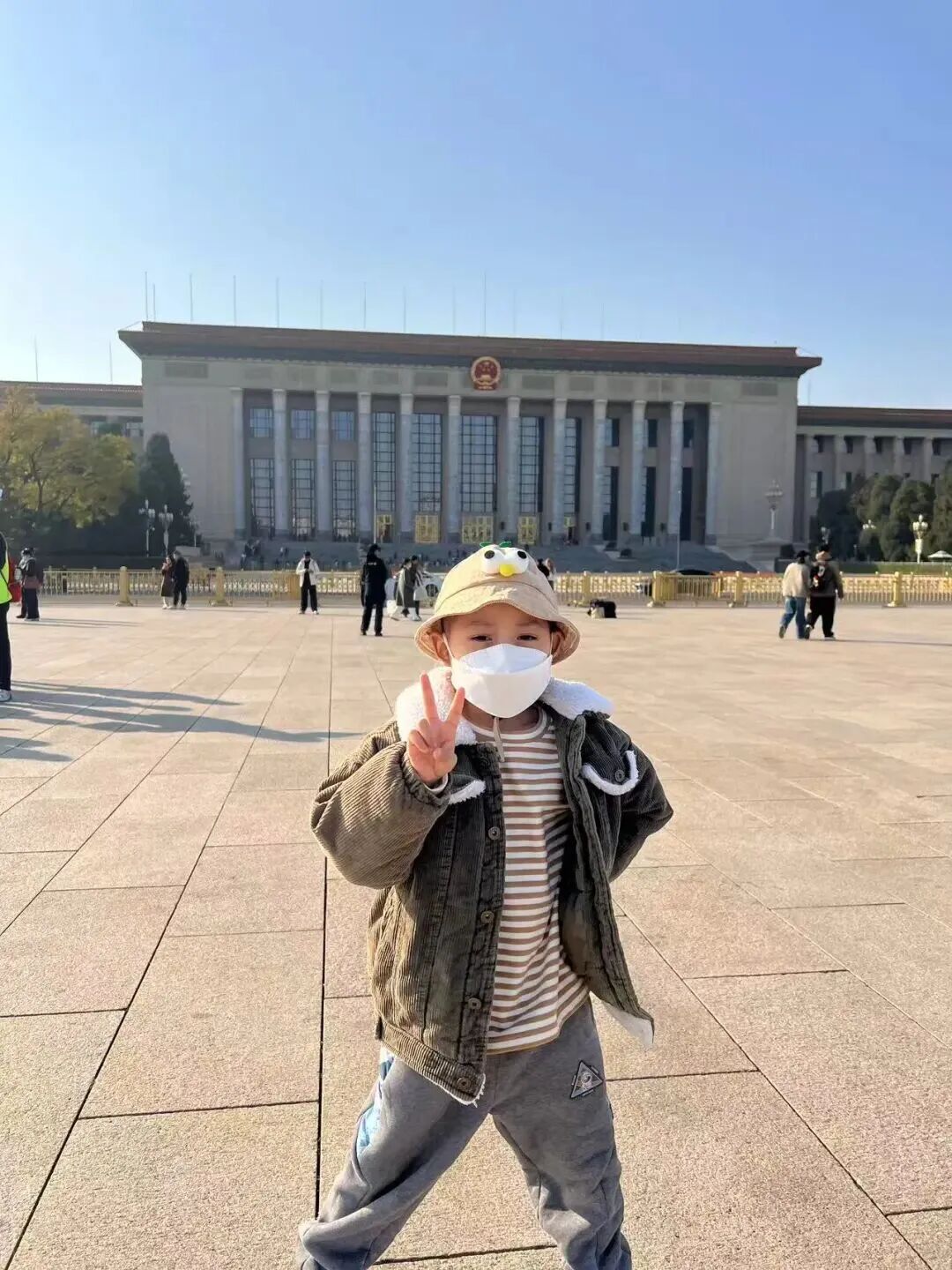
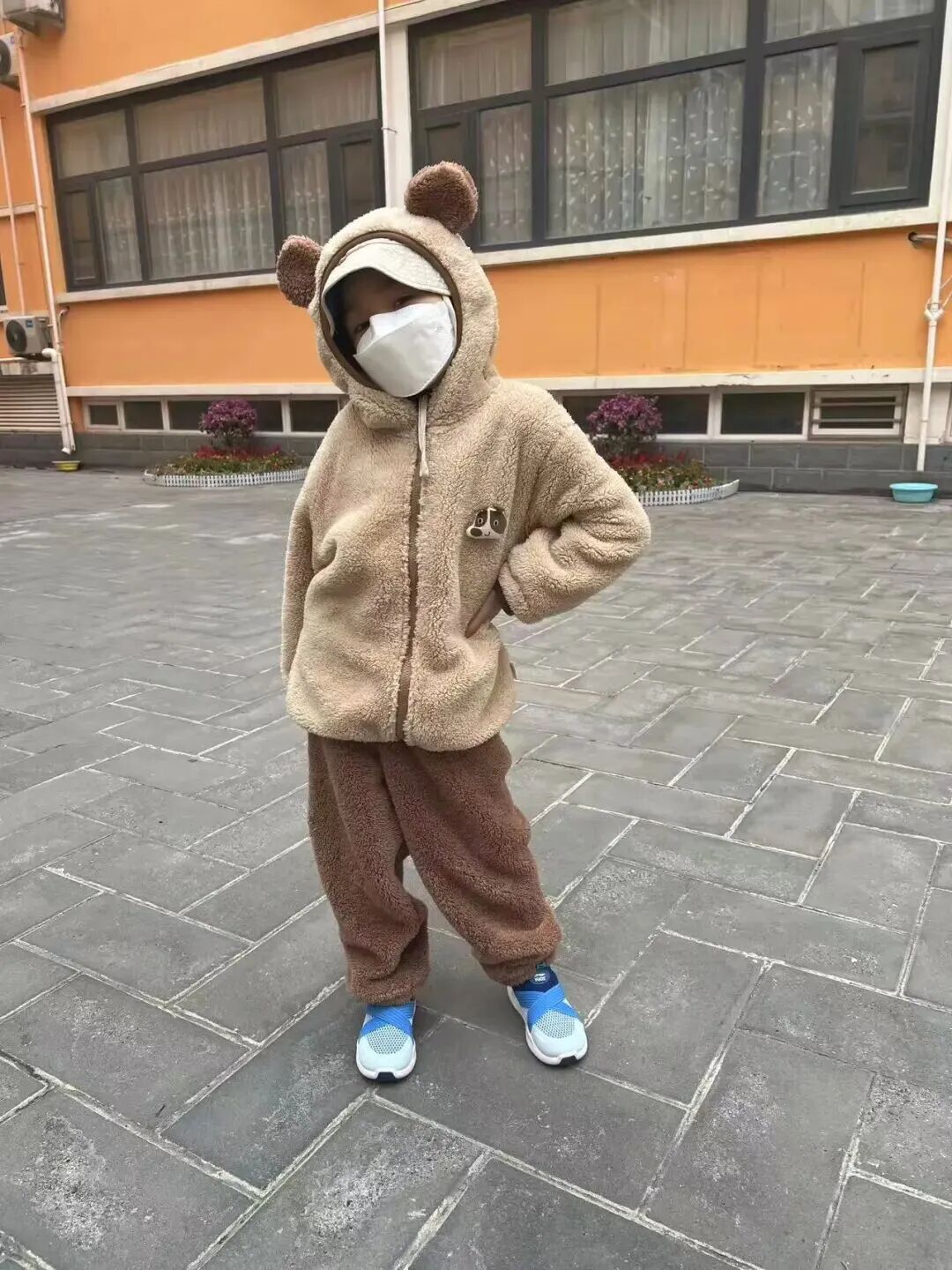
1. Through the Fog: From Ordinary Symptoms to a Rare, Serious Disease
In early 2024, Xiao Le suddenly developed a cough and fever. His family initially thought it was an ordinary cold and sought symptomatic treatment locally. One or two months later, small red spots appeared on his skin, leaving them uneasy. They took him to several hospitals. The initial findings were worrying: thrombocytopenia, with an enlarged liver, spleen and lymph nodes. After detailed examinations, the diagnosis struck like a bolt from the blue: T-lymphoblastic lymphoma with myeloid expression (stage IV, CNS1), accompanied by NRAS and DDX3X mutations.
“I was completely stunned; it felt like a dream. I had never even heard of lymphoma before…” Recalling the moment of diagnosis, Xiao Le’s mother still sounded shocked and helpless.
To save his life, Xiao Le underwent multiple chemotherapy courses at the local hospital. Yet rather than improving as expected, his disease repeatedly waxed and waned, and the treatment journey reached an impasse. When the family was anxious, lost and almost desperate, a message in a patient support group offered a lifeline: Professor Zhang Yonghong’s team at Beijing Boren Hospital had extensive experience and an excellent reputation in paediatric lymphoma, particularly refractory and relapsed cases. After local doctors invited Professor Zhang to consult, the family travelled north in November 2024, determined to make one final effort.
2. Precision Breakthrough: Finding the Target and Lighting the Treatment Path
Faced with this difficult case, Professor Zhang’s team immediately performed a comprehensive, systematic reassessment. It revealed a more complex picture: alongside hepatosplenomegaly, Xiao Le’s marrow contained malignant cells with three abnormal phenotypes—T, B and myeloid—consistent with mixed-cell-type leukemia. An NGS screen of genetic susceptibility genes related to blood and immune disorders found an NRAS variant frequency of 93.36%, yet the variant was not inherited from either parent. Joint discussion by clinical and molecular specialists during molecular rounds established that it arose as a mosaic mutation early in embryonic development. A mutation at this special stage was neither an inherited change nor tumor-specific, explaining the unusual clinical presentation.
Precision diagnosis became the decisive turning point. Early treatment combined several chemotherapy regimens and targeted agents, but the disease continued to progress repeatedly. In February 2025, Professor Zhang’s team rapidly convened a multidisciplinary consultation. After repeated discussion and review, they confirmed mixed-phenotype acute leukemia/lymphoma: the NRAS somatic mosaic mutation caused the malignancy to originate in hematopoietic stem cells and differentiate into multiple lineages. This was the underlying reason for the failure of multiple chemotherapy lines and the exceptionally poor response.
The experts agreed that allogeneic hematopoietic stem cell transplantation offered the only hope of rebuilding Xiao Le’s hematopoietic and immune systems and seeking a chance of cure. Before transplant, tumor progression had to be controlled to create the best possible conditions. Professor Zhang’s team therefore devised a bridging regimen combining two targeted drugs. Encouragingly, after just four days of taking them, his enlarged spleen shrank markedly. This positive change restored everyone’s confidence and offered a first glimpse of hope in the battle with a rare disease.
3. Through the Darkest Days: Keeping Watch over Life in the Transplant Unit
On 19 February 2025, Xiao Le entered the transplant unit and began conditioning. On 5 and 6 March, hematopoietic stem cells were infused into his body. These hopeful “seeds of life” carried the family’s expectations and the medical team’s responsibility.
The severe reactions to conditioning caused great suffering. Every moment of waiting for hematopoietic recovery was uncertain, and fear of infection weighed heavily on the family. His mother later called it “the darkest time of my life,” with each day spent in anxiety and fear.
Fortunately, Xiao Le was not fighting alone. Like experienced navigators, the medical and nursing teams stayed by his side. With professional care, recovery unfolded: neutrophil engraftment occurred on day 16 after transplant, followed by platelet engraftment on day 25. The team then calmly and precisely managed repeated hurdles, including infection and intestinal graft-versus-host reactions, drawing on their expertise to bring him back from danger each time.
Hope became clearer with each review. At one month after transplant, imaging found no obvious tumor lesions, the marrow showed complete donor chimerism, and NRAS mutation tests in marrow and peripheral blood had become negative. At two months, Xiao Le achieved complete remission, indicating effective disease control.
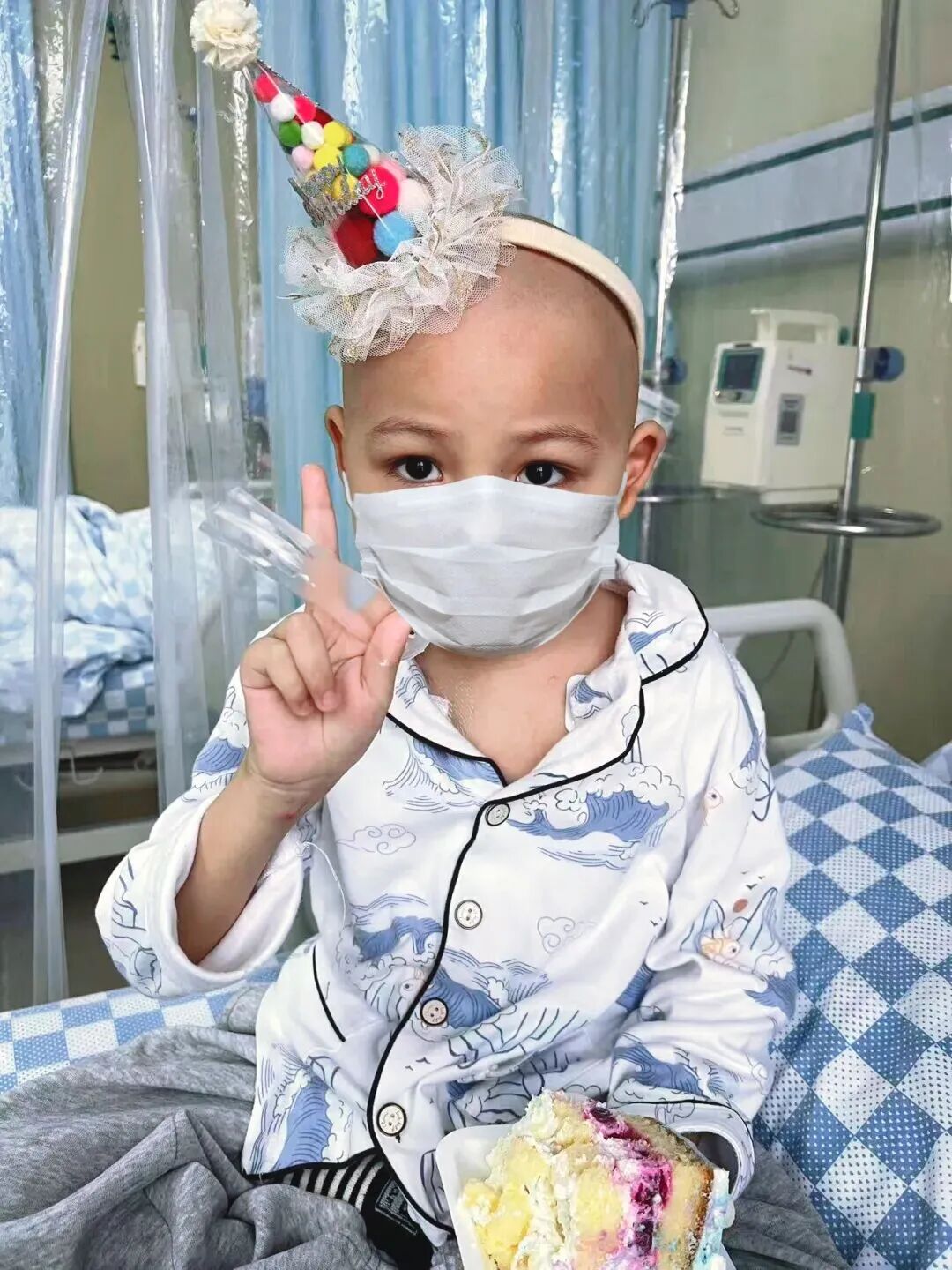
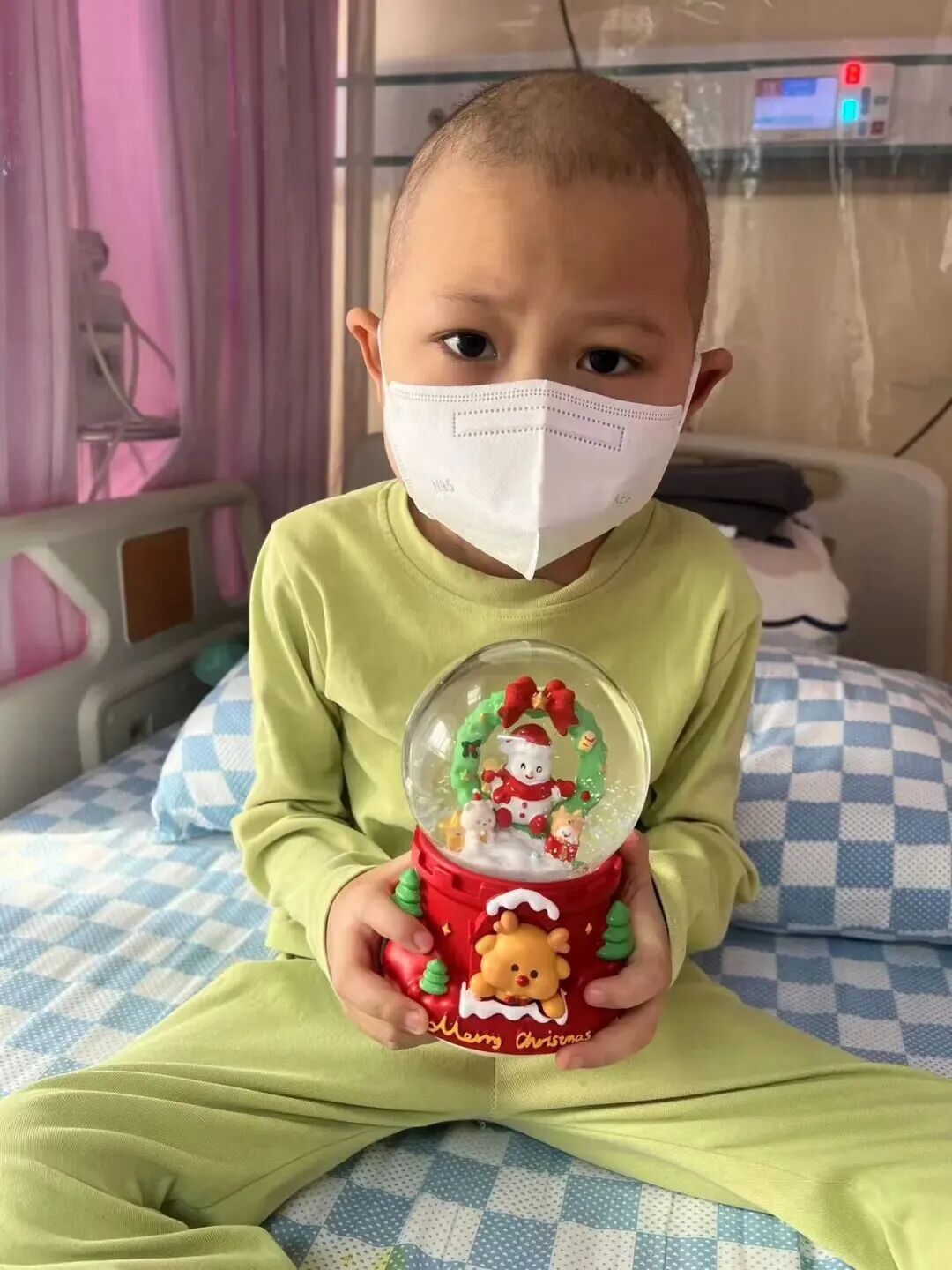
4. A New Beginning: Heartfelt Thanks for Everyday Happiness
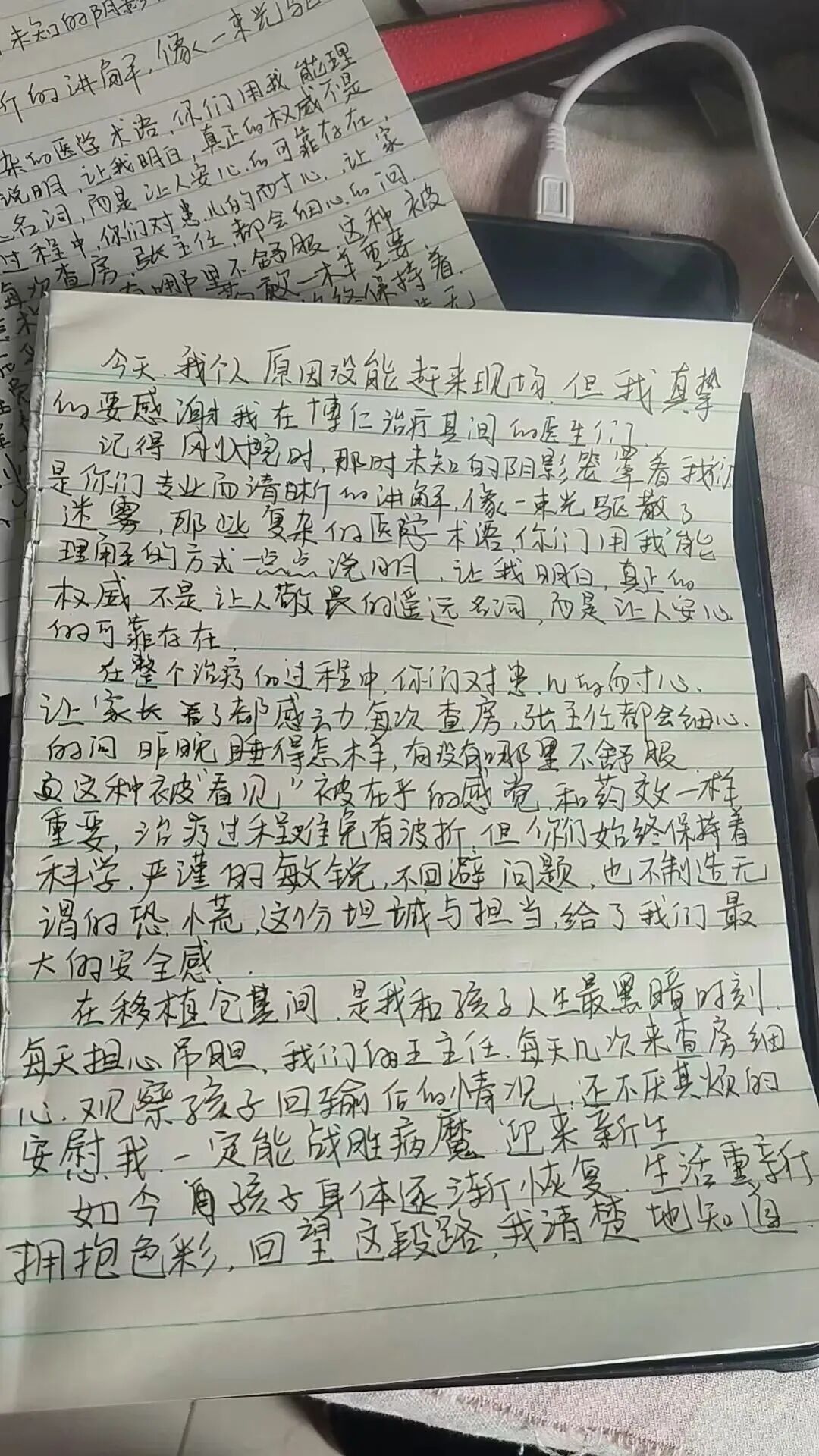
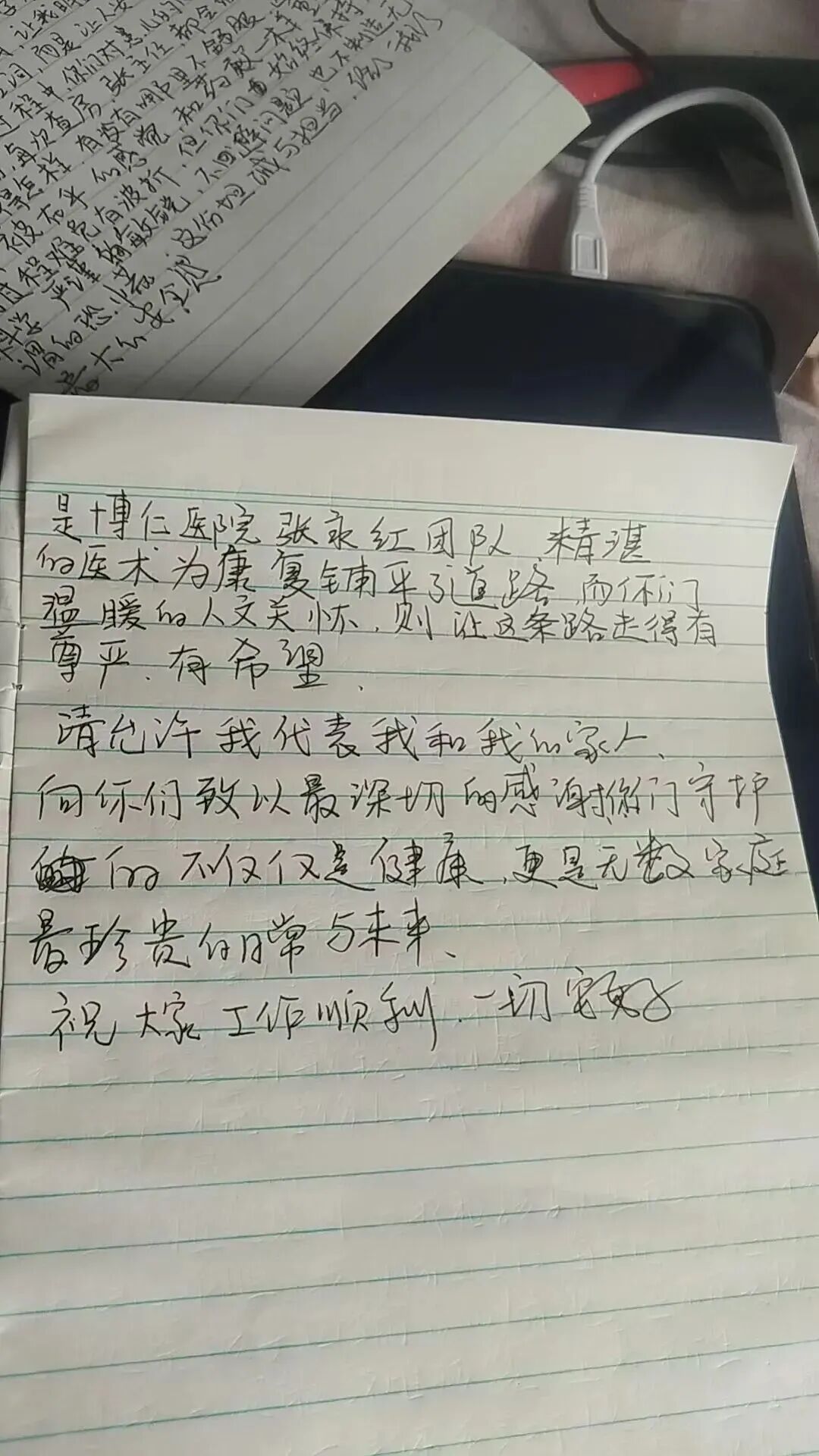
More than ten months after transplant, Xiao Le remained in continuous complete remission and was recovering day by day. In a thank-you letter, his mother wrote: “Looking back on this journey, I know clearly that the Boren doctors’ outstanding medical skills paved the way for recovery… What you protect is not just health, but the most precious everyday lives and futures of countless families.” She particularly mentioned how much Xiao Le enjoyed the hospital’s regular craft classes and holiday activities. These seemingly ordinary events preserved the playful, interactive childhood every child deserves and brought warmth and colour to a difficult treatment journey.
“I want to tell families facing something similar: however complex or rare the disease may be, as long as we do not stop searching, we can light a hope of life for our children. We must trust the professional team!” These were Xiao Le’s mother’s heartfelt reflections and sincere encouragement to every family of a child facing hardship.
Case Commentary by Professor Zhang Yonghong’s Team
Xiao Le, a seven-year-old boy, first presented in late February 2024 with thrombocytopenia and enlargement of the liver, spleen and lymph nodes. In May 2024, another hospital performed bone marrow aspiration and excisional biopsy of a left axillary lymph node. Lymph-node immunohistochemistry, flow-cytometric immunophenotyping, hematologic tumor mutation testing and whole-transcriptome sequencing led to a diagnosis of T-lymphoblastic lymphoma/leukemia with myeloid expression, stage IV, CNS1. From 20 June 2024, he received chemotherapy according to the high-risk CNCL-NHL-2017-LBL protocol: VDLP, CAM1, CAM2 and HR-1 in sequence. However, lymph-node, marrow and splenic lesions progressed during treatment. He therefore transferred to the paediatric hematology/oncology department at Beijing Boren Hospital led by Professor Zhang Yonghong.
Integrating MICM-related findings from lymph nodes, marrow and peripheral blood, our department diagnosed acute mixed-phenotype (T/B/myeloid) leukemia/lymphoma progressing during treatment. Four second-line chemotherapy courses addressing both lymphoid and myeloid disease were completed, with several targeted drugs added sequentially. Lymph-node lesions improved, but the proportions of the three abnormal T, B and myeloid marrow populations fluctuated without a clear overall reduction, and the spleen repeatedly enlarged. This heterogeneous response suggested that chemotherapy covering both lineages might treat the manifestations rather than the root cause.
To find the key driver of progression, we reviewed the molecular and immunophenotypic findings. NRAS mutations were detected in marrow, lymph nodes and peripheral blood. The mutation was neither germline nor tumor-specific, but somatic mosaicism. This RAS somatic mosaic mutation can produce immunophenotypic heterogeneity in the lymphohematopoietic system across tissues. In addition to mixed-phenotype leukemia/lymphoma, the child had RAS-associated autoimmune leukoproliferative disease: an overlap among malignancy, clonal hematopoiesis and immune abnormalities. This explained the differing chemotherapy responses.
Recognising the NRAS somatic mosaic mutation as the key disease driver, we stopped chemotherapy and changed to a multi-drug targeted regimen to control tumor progression. Hepatosplenomegaly was effectively controlled after medication, while preparations were made for allogeneic hematopoietic stem cell transplantation to rebuild hematopoietic and immune function.
The related haploidentical transplant process began on 19 February 2025. At the one-month assessment on 14 April 2025, ultrasound showed no obvious tumor lesions and the spleen was not palpable below the ribs; marrow donor chimerism was 100%, marrow flow cytometry and NRAS mutation tests were negative, and peripheral-blood NRAS mutation quantitative NGS was negative. NRAS mutation quantitative NGS in peripheral-blood cell-free nucleic acids was 0.42%. At the two-month assessment on 6 May 2025, imaging showed no tumor lesions and the spleen remained impalpable below the ribs. Marrow flow cytometry and NRAS mutation tests stayed negative, as did peripheral-blood NRAS quantitative NGS; the cell-free nucleic acid NRAS result also became negative, indicating deep molecular remission. The team’s commentary states that remission had been maintained for eight months at the time it was written.
The team describes this as the first reported case worldwide of mosaic RASopathy presenting as mixed-phenotype leukemia/lymphoma with RAS-associated autoimmune leukoproliferative disease, with sustained remission achieved through MEK inhibitor and mTOR inhibitor targeted therapy followed by allogeneic hematopoietic stem cell transplantation. This first-report description is the original hospital team’s claim.
Specialist Profiles
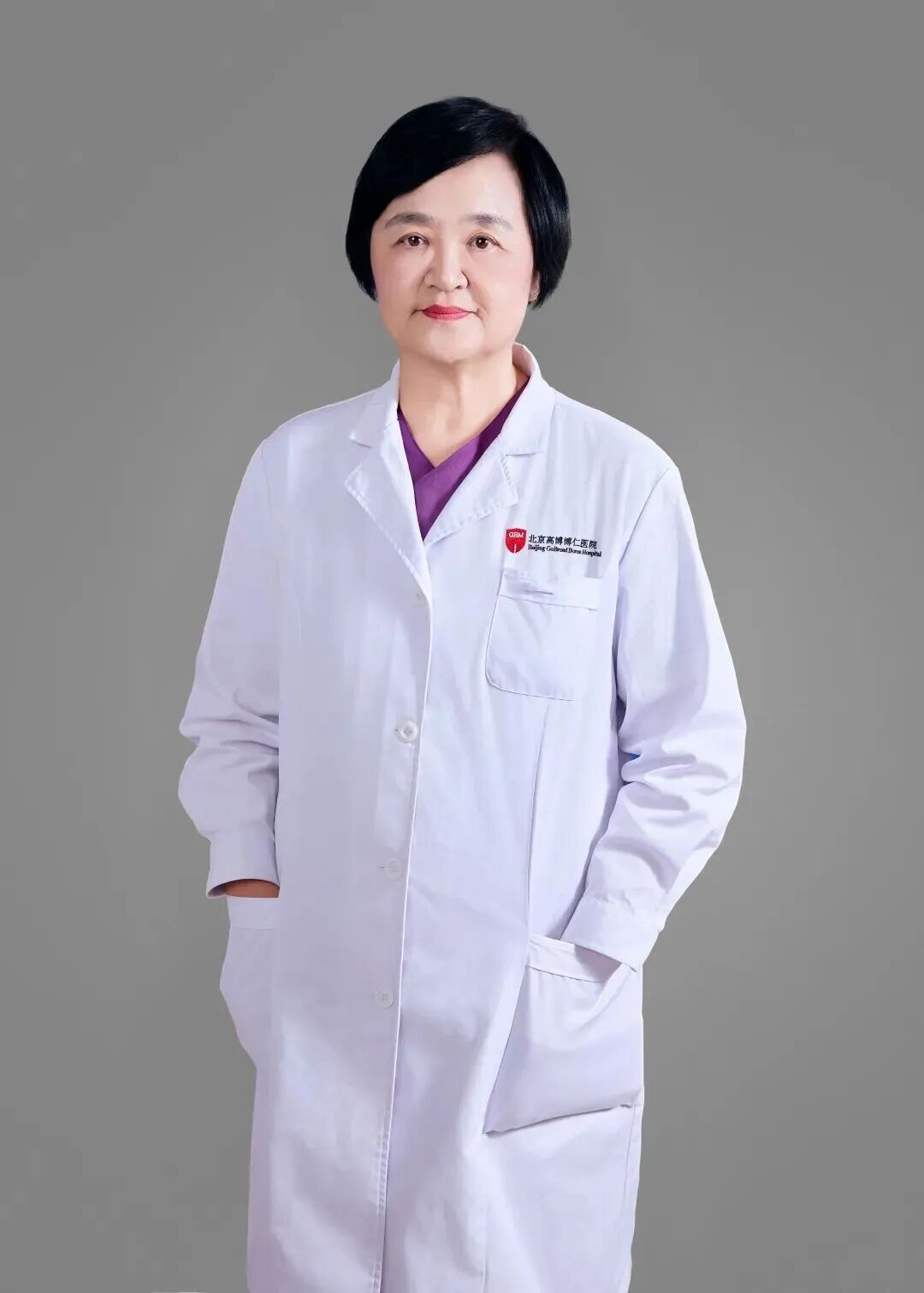
Professor Zhang Yonghong
Medical Director and Head of Paediatric Hematology/Oncology, Beijing GoBroad Boren Hospital. Chief Physician at the Hematology/Oncology Centre of Beijing Children’s Hospital and former Head of its Lymphoma Department. She has worked in paediatric hematologic oncology for 42 years, led the establishment of the lymphoma specialty at Beijing Children’s Hospital and became its academic leader.
Visiting scholar at St. Jude Children’s Research Hospital and MD Anderson Cancer Center in the United States, and the paediatric oncology centre at Prince of Wales Hospital, Chinese University of Hong Kong. She has undertaken more than ten provincial/municipal-level or higher research projects and GCP trials, and published more than 140 papers as first or corresponding author in Blood and other domestic and international journals. In 2017 she led the establishment of the Chinese National Children’s Lymphoma collaboration group (CNCL) and became its project leader. It is now the largest domestic multicentre paediatric lymphoma collaboration platform, with overall treatment outcomes reaching international levels, according to the original profile.
Professional roles: Chair, CNCL; Editor-in-Chief, Chinese Journal of Pediatric Hematology and Oncology; Deputy Head, Paediatric Group of the CSCO Anti-Lymphoma Alliance; Vice Chair, Children’s Precision Treatment Committee of the Chinese Society of Biomedical Engineering; Standing Committee Member and Head of the Paediatric Group, Targeted Therapy Committee of the Chinese Medical Women’s Association; Member of that association’s Lymphoma Committee; Member, Translational Medicine Committee of the Anti-Cancer Association; and editorial board member of several medical journals.

Dr Liu Ying
Specialist in paediatric hematology/lymphoma at Beijing Boren Hospital, GoBroad Medical (Hematology) Beijing Research Centre; Ward Director, Associate Chief Physician and Doctor of Medicine. She has more than 30 years’ experience in paediatric hematologic oncology. From 1995 she worked for more than 20 years in paediatric hematology/oncology at the PLA General Hospital, joining Beijing GoBroad Boren Hospital in 2019. She is an editorial board member of the Chinese Journal of Pediatric Hematology and Oncology and a member of the Children’s Precision Oncology Treatment Committee. She specialises in diagnosis and treatment of paediatric hematologic malignancies, with extensive experience in chemotherapy and critical illness management, particularly chemotherapy and immune-targeted treatment of childhood leukemia and lymphoma. She has led or participated in multiple clinical trials and research projects, published more than 20 core-journal papers and three SCI papers as first author, and delivered presentations at European hematology meetings, American Society of Hematology annual meetings and international symposia on childhood, adolescent and young-adult lymphoma.
Additional roles: editorial board member, Chinese Journal of Pediatric Hematology and Oncology; member, Targeted Therapy Committee of the Medical Women’s Association. Clinical trials led or participated in: (1) phase II sequential CAR-T therapy against different B-cell targets for children and adolescents with refractory/relapsed B-cell lymphoma (ChiCTR2000030954); (2) phase I donor CD7 CAR-T therapy for refractory/relapsed T-lymphoblastic lymphoma in children and adolescents (ChiCTR2100045863); (3) phase I sequential dual-antigen-targeted CAR-T combined with single-antigen-targeted CAR-T for refractory/relapsed mature B-cell lymphoma in children and adolescents (ChiCTR2100045864). Research participation: National Science Fund for Distinguished Young Scholars project 39825111, in-vitro expansion of umbilical-cord-blood hematopoietic stem/progenitor cells; and Beijing Natural Science Foundation project 7032028, antigen peptides against B-cell tumors and regulation of immune networks.
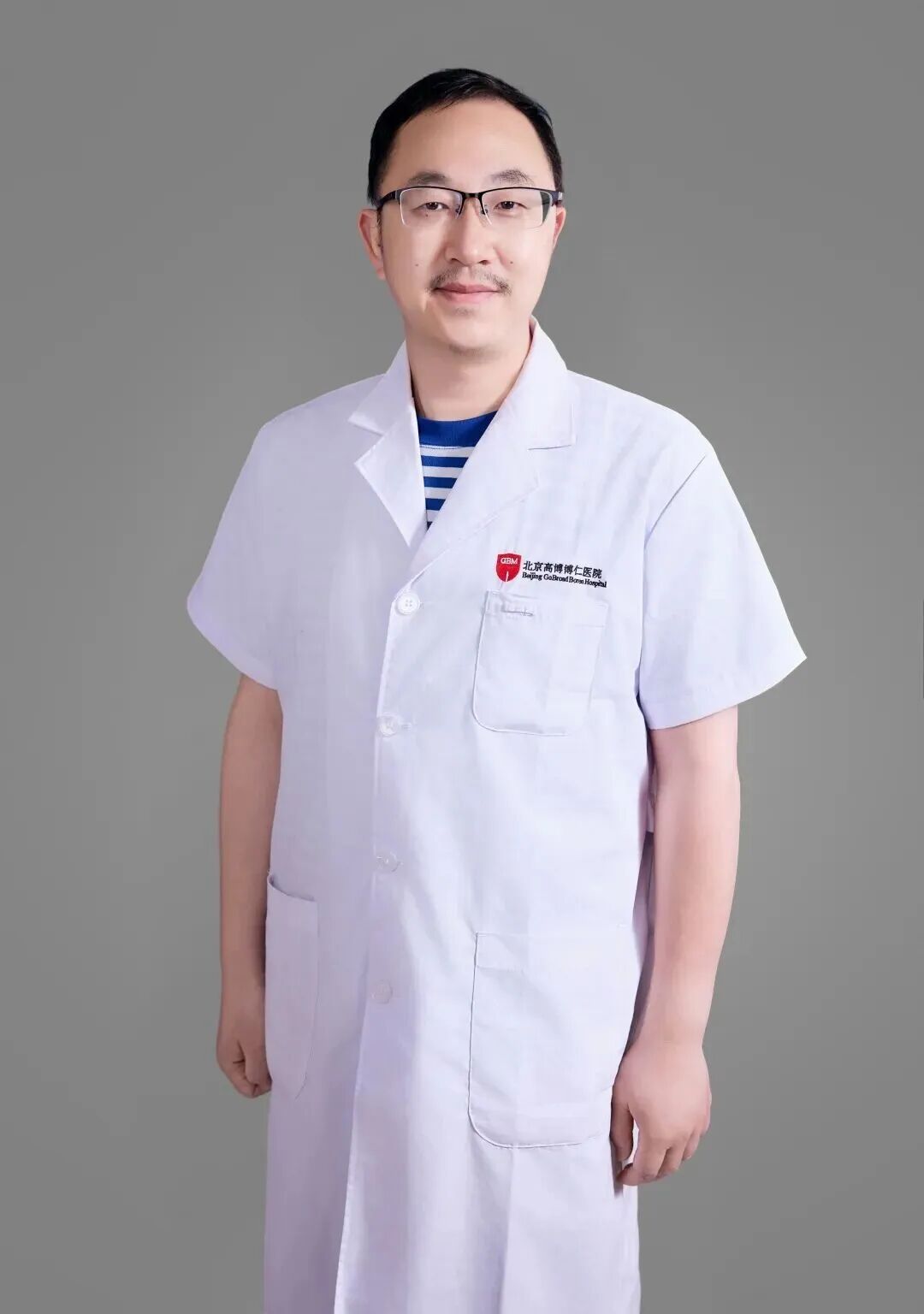
Dr Wang Kai
Specialist in paediatric hematology/oncology at Beijing GoBroad Boren Hospital, GoBroad Medical (Hematology) Beijing Research Centre; Ward Director, Associate Chief Physician and Doctor of Medicine. He obtained his doctorate from Xiangya Hospital of Central South University in June 2006, then worked in paediatrics at the PLA Navy General Hospital (now the Sixth Medical Centre of the PLA General Hospital). In 2014 he worked at the Hematology/Oncology Centre of Beijing Children’s Hospital, and joined Beijing GoBroad Boren Hospital in 2024. He has published more than ten articles in domestic and international specialist journals, led one provincial project and contributed to three books.
His main clinical focus is comprehensive care of paediatric hematologic malignancies, including chemotherapy, hematopoietic stem cell transplantation and cellular immunotherapy. He specialises in transplant treatment for refractory paediatric hematologic malignancies and rheumatic/immune diseases. He has completed more than 200 transplants, covering acute and chronic leukemia, malignant lymphomas, myelodysplastic syndromes, neuroblastoma and other childhood malignancies, as well as non-malignant and congenital disorders including aplastic anemia, hemophagocytic syndrome, systemic lupus erythematosus, thalassemia, chronic granulomatous disease, Wiskott–Aldrich syndrome (WAS) and osteopetrosis.
Professional roles: Member, Hematopoietic Stem Cell Transplantation and Cell Therapy Committee of the China Medicine Education Association; Member, Rare Tumor Committee of the China Alliance for Rare Diseases; Member, Paediatric Bleeding and Coagulation Committee of the Beijing Chronic Disease Prevention and Health Education Research Association.
Content source: Beijing GoBroad Boren Hospital. The clinical outcomes and follow-up intervals above are preserved from the original partner article, published on 27 February 2026; this site’s case publication date is 7 October 2026. They are not a newly obtained October follow-up.
Treatment timeline
- Late Feb 2024Thrombocytopenia with enlarged liver, spleen and lymph nodes at presentation.
- May 2024Initially diagnosed with T-lymphoblastic lymphoma/leukemia with myeloid expression, stage IV, CNS1.
- 20 Jun 2024 onwardHigh-risk CNCL-NHL-2017-LBL chemotherapy: VDLP, CAM1, CAM2 and HR-1; disease progressed.
- Nov 2024Transferred to Beijing Boren Hospital for multidisciplinary reassessment.
- Feb 2025NRAS mosaic-driven mixed-phenotype disease clarified; targeted bridging treatment controlled hepatosplenomegaly.
- 19 Feb 2025Entered the transplant unit and began conditioning for related haploidentical HSCT.
- 5–6 Mar 2025Hematopoietic stem cell infusions; neutrophil engraftment on day 16 and platelet engraftment on day 25.
- 14 Apr 2025100% marrow donor chimerism; marrow and peripheral-blood NRAS negative; cell-free NRAS 0.42%.
- 6 May 2025No tumor lesions on imaging; cell-free NRAS also negative, indicating deep molecular remission.
- Original reportOngoing complete remission more than ten months after transplant, with gradual physical recovery.