Solid Tumor · CAR-T Therapy · 14 September 2026
World’s First International Solid Tumor CAR-T Patient Completes Treatment at Jiahui International Cancer Center
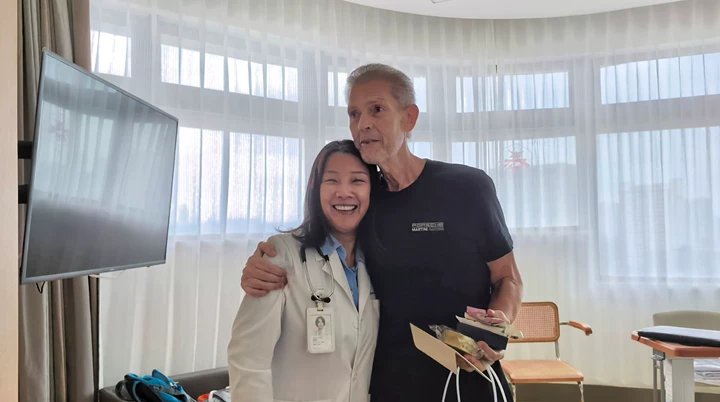
Patient
Josh, 59, from New Zealand
Diagnosis
Advanced gastroduodenal adenocarcinoma
Biomarkers
Claudin 18.2-positive; HER2-negative
Treatment
Satri-cel (CT041), a Claudin 18.2-targeted CAR-T therapy
Hospital
Jiahui International Cancer Center, Shanghai
Clinical improvement
Malignant ascites resolved by Day 10 after infusion; drainage catheter removed before discharge
The world’s first international patient to receive Satri-cel (CT041), the newly approved CAR-T therapy for solid tumors, has completed his treatment at Jiahui International Cancer Center (JICC) in Shanghai and returned home to New Zealand.
The 59-year-old patient was discharged from Jiahui on August 16 following more than a month of treatment in Shanghai, marking another important milestone in the international accessibility of Satri-cel—the world’s first CAR-T therapy approved for the treatment of a solid tumor and currently available exclusively in China.
A Journey to China for a Treatment Available Nowhere Else
Josh was diagnosed with advanced gastroduodenal adenocarcinoma in late 2025. After chemotherapy combined with immunotherapy failed to halt the progression of his disease, he began exploring alternative treatment options internationally.
His search led him to China and Satri-cel, a Claudin 18.2-targeted CAR-T therapy and the world’s first CAR-T treatment approved for a solid tumor. After contacting Jiahui, the team’s responsiveness and ease of communication helped give him confidence in pursuing treatment in Shanghai.
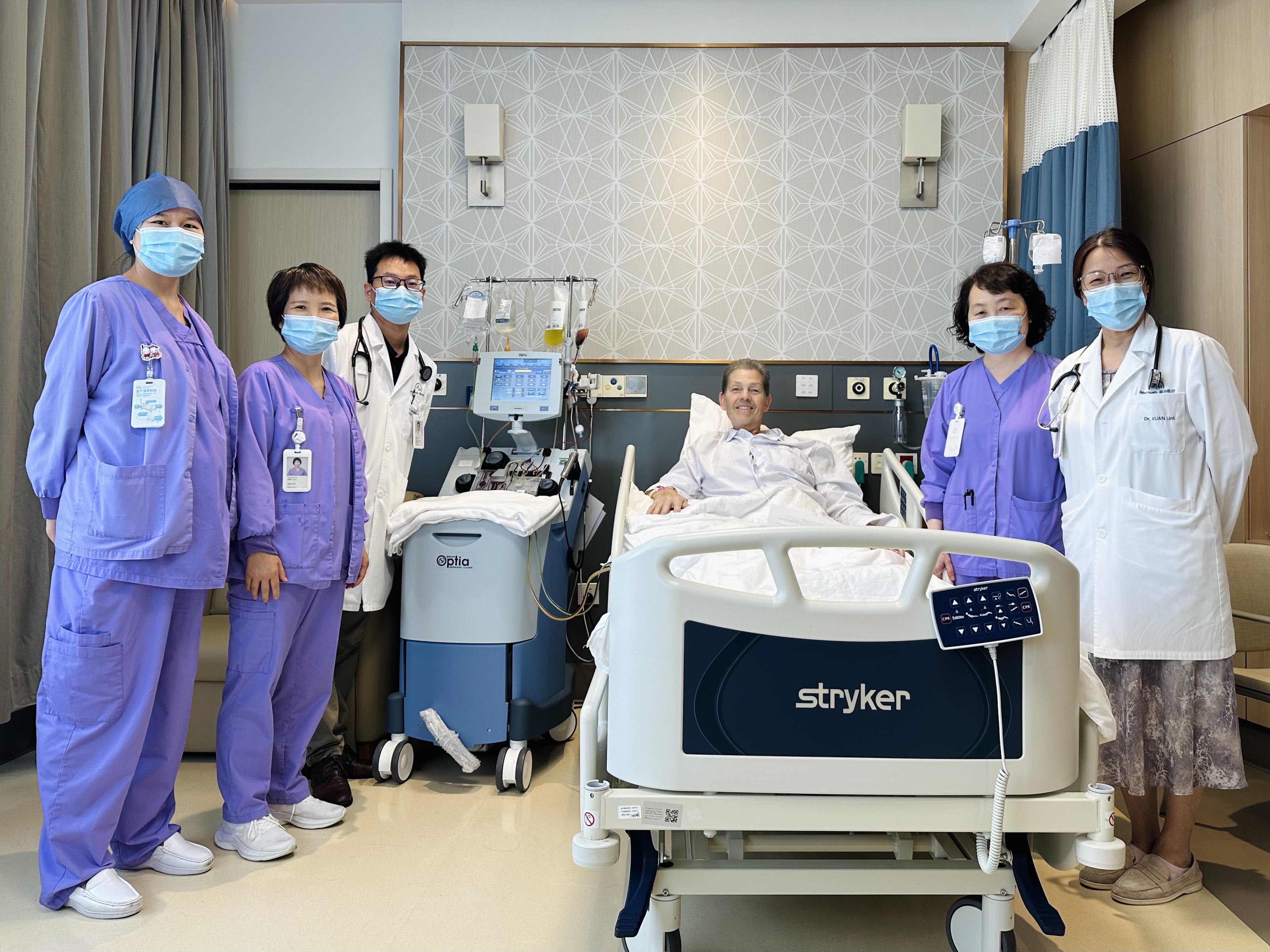
“I had explored treatment options in Saudi Arabia and the United States before deciding to come to China,” Josh recalled. “I found the team at Jiahui very responsive, and it was easy to communicate. Based on all the research I had done, CAR-T seemed to be the best and most accessible pathway for us.”
Following preliminary biomarker testing in New Zealand confirming Claudin 18.2 positivity and HER2 negativity, he underwent further evaluation and treatment planning at JICC. His T cells were successfully collected at Jiahui on July 6 before being manufactured into his personalized CAR-T treatment.
Encouraging Clinical Improvement Following CAR-T Infusion
Josh arrived at Jiahui with significant disease-related complications, including severe malignant ascites and difficulty eating. Before CAR-T reinfusion, his ascites required drainage of approximately 1,000 mL per day, reaching up to 2,000 mL at its peak. By Day 10 following infusion, the malignant ascites had resolved, and his drainage catheter was removed before discharge.
Throughout his treatment, JICC provided multidisciplinary care tailored to his evolving needs, combining cancer treatment with comprehensive supportive care, including acupuncture in collaboration with Jiahui’s Traditional Chinese Medicine team.
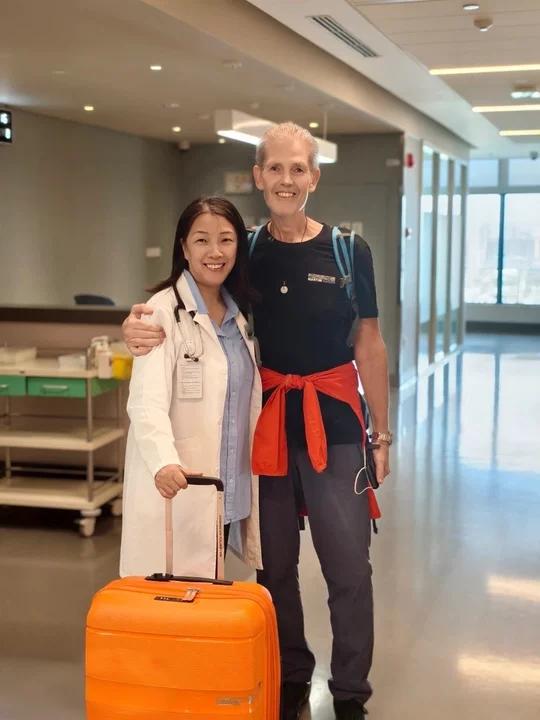
“Josh’s condition required much more than CAR-T therapy alone. We continuously adapted his treatment and supportive care to his individual needs,” said Dr Xuan. “We care not only for the tumor, but for the patient as a whole. Seeing him well enough to return home is an important milestone, although close follow-up remains essential.”
Dr Linli Xuan, Chief of Medical Oncology at Jiahui International Cancer Center, brought nearly two decades of medical experience in the United States to Josh’s care. Her understanding of different cultures and patient expectations helped create a familiar and reassuring environment for Josh and his family throughout an otherwise unfamiliar treatment journey.
Reflecting on his experience, Josh said: “I was lucky to work with two doctors who were both very involved throughout my treatment. They went out of their way to put me at ease with the process and were very forthcoming with information, medical tests and results. The whole process was handled really well, and I felt very comfortable in their care.”
Continuing Care Across 9,000 Kilometres
To ensure continuity of care after Josh’s return to New Zealand, the JICC team developed a detailed follow-up plan covering his ongoing treatment, examinations and clinical monitoring.
Before his departure, Dr Xuan also held a direct physician-to-physician discussion with Josh’s attending doctor in New Zealand to review his clinical course and coordinate the next stages of his care, ensuring a seamless cross-border handover while JICC remains involved in his follow-up.
Connecting International Patients with China’s CAR-T Innovation
China’s advances in cell therapy are opening new treatment possibilities for patients worldwide. With extensive experience in CAR-T therapy for hematologic malignancies and growing expertise in solid-tumor CAR-T, JICC combines advanced cellular therapies with comprehensive multidisciplinary oncology care and dedicated support for international patients.
“Before coming to China, there was uncertainty about what the care would really be like. But once I arrived at Jiahui, it was evident that the standard of care was very high. I’ve been really impressed with what I found here, and even with the potential language barrier, we worked through that very easily.”
Having already treated CAR-T patients from around the world, JICC supports international patients throughout the entire care journey—from remote case review and eligibility assessment to treatment in Shanghai and coordinated follow-up at home. As China continues to advance new cancer therapies, JICC is committed to making these innovations accessible to eligible patients worldwide.
Treatment timeline
- Late 2025Diagnosed with advanced gastroduodenal adenocarcinoma; chemotherapy combined with immunotherapy did not halt progression.
- Before ChinaTesting in New Zealand confirmed Claudin 18.2 positivity and HER2 negativity; Josh explored options in Saudi Arabia and the United States before choosing Jiahui in Shanghai.
- 6 Jul 2026T-cell collection successfully completed at Jiahui International Cancer Center for manufacture of his personalised Satri-cel treatment.
- Day 10 after infusionSevere malignant ascites, previously requiring drainage of 1,000–2,000 mL per day, had resolved.
- 16 Aug 2026Discharged after more than a month of treatment in Shanghai; drainage catheter removed and a coordinated New Zealand follow-up plan arranged.
Source: Jiahui Hospital — republished from our affiliated partner’s original patient story