Stem Cell Transplant · Thalassaemia · 15 March 2026
Patient Voices | Free at last from lifelong transfusions — an 18-year-old with thalassaemia major restarts a healthy life
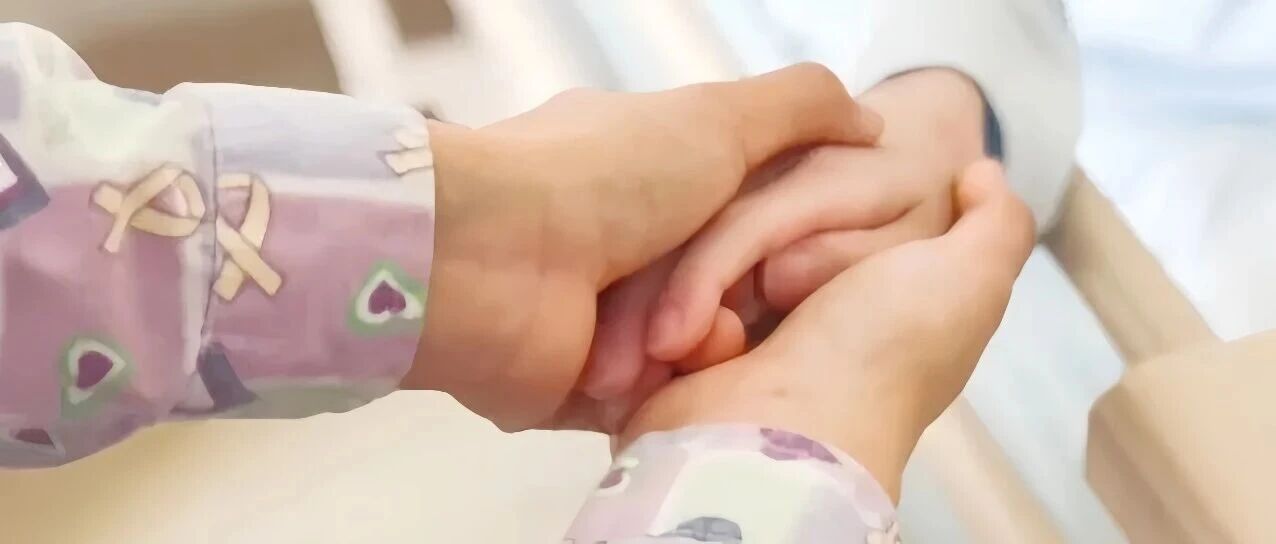
Diagnosis
Beta-thalassaemia major (transfusion-dependent)
Age
18 years old
Treatment
PTCy haploidentical haematopoietic stem cell transplant (sister as donor)
Before transplant
4.5 units of red cells every 20 days to hold haemoglobin at 60 g/L; ferritin persistently 2,000–3,000 ng/ml
Hospital
GoBroad Chunfu Institute of Haematology / Dongguan Taixin Hospital
Latest status
Five months post-transplant: all indicators normal, haemoglobin 120 g/L, 10 kg weight gain, transfusions and iron chelation stopped
As his classmates planned graduation trips after the national college entrance exam, eighteen-year-old A-Guang (a pseudonym) and his mother, Sister Chun (a pseudonym), were planning a far more important journey — a haematopoietic stem cell transplant, the treatment that could free him from beta-thalassaemia major for good.
In the summer of 2025, accompanied by his mother, A-Guang came to Dr Liao Jianyun at the GoBroad Chunfu Institute of Haematology and completed a PTCy haploidentical transplant. Five months of follow-up show all indicators normal; he plans to return to study next September and begin university life with a healthy body.
A diagnosis of thalassaemia major, and the heavy label of "lifelong"
Back in 2008, at less than seven months old, A-Guang was taken to the local hospital because he was pale and off his food. A diagnosis of "beta-thalassaemia major" plunged the whole family into shock.
"Beta-thalassaemia major requires lifelong transfusion and iron chelation therapy…" Sister Chun recognised every character on the report, but strung together they became a stone pressing on her heart. The word "lifetime" grew unbearably heavy.
On a local doctor's recommendation, she carried her baby to Professor Li Chunfu, then at Nanfang Hospital, for advice. He told her: "Thalassaemia can be cured. Once the child has a successful haematopoietic stem cell transplant, he can live like anyone else."
Between giving up and holding on there was in truth no choice — being a parent is itself the answer. But that firm reply cracked open the stone in Sister Chun's heart and gave her the courage to keep going.
Searching for a fully matched donor — a tug-of-war with hope
At the time, fully matched transplant was the more mature option. After typing the entire family without success, Sister Chun could only pin her hopes on the China Marrow Donor Program — a needle in a genetic haystack.
Two years, more than seven hundred days, each spent in the gap between expectation and disappointment. Then one day, when A-Guang was three, the call came: "We've found one — a fully matched donor." That day Sister Chun held her son and daughter and wept, believing the ordeal was finally over.
But the transplant plan was halted. On the eve of stem cell collection the donor decided to withdraw, cut off all means of contact and vanished from their world. Hope burned at its brightest and then went out — a feeling more tormenting than never having seen hope at all.
Sister Chun asked Professor Li: "Apart from a fully matched transplant, is there any other way to cure him?" He replied that haploidentical transplant was an option, but the technique was not yet mature enough; if they were willing, they could wait — medicine keeps advancing.
She kept searching, but a fully matched donor never came again. "Waiting" became the family's shared act of perseverance — waiting for technology to mature, and waiting for a new turning point.
Fifteen years tied to a blood bag
173 cm tall, not muscular but not frail either — under the careful care of his mother and sister, nothing in A-Guang's appearance betrayed his thalassaemia. But he knew he was different.
As he grew, the transfusion burden climbed: from one unit of red cells every forty days to 4.5 units every twenty days, just to hold haemoglobin at the fragile lifeline of 60 g/L.
What does 60 g/L feel like? Like a phone permanently stuck at 15% battery, only able to stay on standby. "Sitting up from bed takes thirty seconds first, otherwise everything goes black. No running, no jumping. In PE class I was always the spectator."
The side effects of long-term transfusion followed. His ferritin sat persistently at 2,000–3,000 ng/ml; that iron deposited unseen in his liver and heart, another threat to his health, forcing long-term oral iron chelators and deferoxamine injections.
To keep the transfusions and chelation going, the family squeezed every non-essential expense. Colleagues nicknamed Sister Chun "the rich sister" for how hard she saved: she ate only the plainest canteen meal, never joined any extra spending, and volunteered for every holiday shift others avoided, just for the overtime pay.
But the helplessness of a blood shortage could not be solved by hard work. A news item about low blood bank stocks that most people scroll past determined A-Guang's daily life; that panic was enough to swallow all their strength.
Professional guidance: turning unknown fear into preventable risk
Transplant came up again after A-Guang finished his college entrance exam and received his university offer. Sister Chun brought her doubts to the GoBroad Chunfu Institute of Haematology, asking Professor Li and Dr Liao whether they should keep waiting for a full match. Dr Liao Jianyun answered clearly: "There is no need to hold out for a full match. Haploidentical transplant technology is now very mature and the success rate is high."
"I was afraid at the time. What if the transplant failed — would I lose even the life I have now? Would using my sister's stem cells harm her? Would the transplant affect my fertility, could I still have my own family?"
Dr Liao's team answered every concern with expertise and patience: they presented detailed transplant data and many successful adult cases showing haploidentical transplant to be a mature, safe choice; they carried out a thorough assessment of his sister's health to allay the family's fears; and before transplant they arranged fertility preservation with a reproductive centre, keeping his future options open.
Every conversation with Dr Liao added confidence and turned unknown fear into preventable risk. In the end A-Guang himself asked to go ahead. In July 2025, with his mother beside him, he entered the transplant unit.
Out of the transplant unit, holding his own future
The door closed on the outside world and opened a restart of life. Dr Liao and the nurses became mother and son's closest comrades. "Before going in I lay awake all night with fear, but once inside I found Dr Liao and the nurses were even more attentive and responsible than I was," Sister Chun recalls.
When chemotherapy gave A-Guang a fever, nurses stayed at his bedside through the night monitoring and guiding him. When he had no appetite and refused to eat, Dr Liao coaxed him as patiently as a parent: "Take the food as medicine — only then will you have the strength to win this fight."
These small kindnesses were the warmest beams of light through the dark. The patient's compliance, the family's trust and the clinicians' skill and compassion carried this hard battle through.
After discharge from the unit, his new life is measured in details: haemoglobin steady at 120 g/L on the blood count, 10 kg gained on the scales, a ruddy and energetic face in the mirror, and the iron chelation pump and transfusion bags left behind for good.
His university offer had already arrived before the transplant; he chose to defer a year to focus on follow-up and recovery, hoping to start university healthy — to run, to jump, to join the clubs he likes, to intern alongside classmates. Ordinary things for most people; for A-Guang, the most solid passport to a new life.
Commentary from Dr Liao Jianyun
Haematopoietic stem cell transplantation is a key means of curing thalassaemia major. In the past, transplant was limited by the difficulty of finding a fully matched donor, and families were often left stranded.
Today, as transplant technology matures, haploidentical protocols continue to improve — parents and siblings can all serve as donors, greatly widening the donor pool. Safety has improved markedly and the age limit has been relaxed, so more older adolescent and adult patients like A-Guang can be given a new life.
At the same time, thorough pre-transplant assessment (including fertility preservation) and expert post-transplant management protect long-term quality of life as far as possible. Patients and families should have confidence and go promptly to an experienced centre for assessment and treatment.
Treatment timeline
- 2008At under seven months old, A-Guang is diagnosed with beta-thalassaemia major and starts lifelong transfusion and iron chelation.
- 2011After more than two years on the China Marrow Donor Program register, a fully matched unrelated donor is found — but withdraws on the eve of stem cell collection.
- 2011 – 2025Fifteen years of transfusion dependence: from 1 unit every 40 days to 4.5 units every 20 days to hold haemoglobin at 60 g/L, with ferritin persistently 2,000–3,000 ng/ml.
- Mid-2025After the college entrance exam and his university offer, the family consults Dr Liao Jianyun at GoBroad Chunfu Institute of Haematology, who confirms haploidentical transplant is now mature. Full donor assessment of his sister and fertility preservation are arranged.
- July 2025A-Guang enters the transplant unit and receives a PTCy haploidentical haematopoietic stem cell transplant with his sister as donor.
- Late 2025Discharged from the transplant unit: haemoglobin stable at 120 g/L, 10 kg weight gain, transfusions and iron chelation stopped entirely.
- Early 2026Five months of follow-up show all indicators normal. He plans to return to study in September and begin university life.
About the specialist
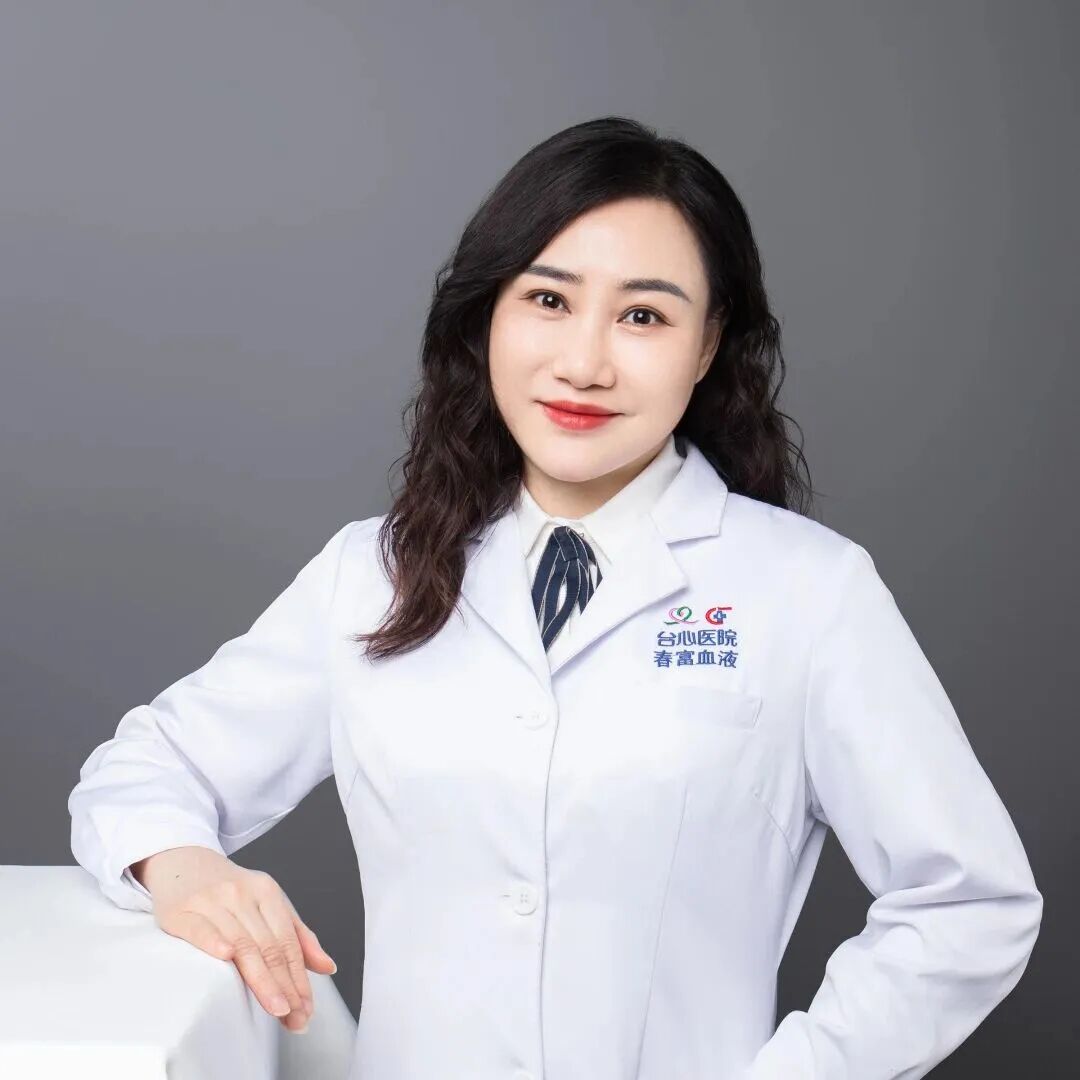
Dr Liao Jianyun — Chief Physician, Dept. of Haematology
- · Chief Physician, GoBroad Chunfu Institute of Haematology / Dept. of Haematology, Dongguan Taixin Hospital
- · Member, Thalassaemia Prevention and Treatment Committee, China Maternal and Child Health Association
- · Member, Cord Blood Application Committee, Guangdong Maternal and Child Health Association
- · Standing committee member, Haematology Committee of the Dongguan Medical Association, and of the Dongguan Integrated Chinese-Western Medicine Haematology Committee
- · Main research focus: haematopoietic stem cell transplantation for paediatric haematological disease; extensive experience in transplant complications, thalassaemia, aplastic anaemia, congenital immunodeficiency, post-transplant immune haemolysis, poor graft function and pancytopenia
- · A recipient of the 2017 Soong Ching Ling Paediatric Medicine Award
- · Published in British Journal of Haematology, Blood and Blood Advances; findings presented over many years at ASH, EHA and EBMT
Source: GoBroad Chunfu Institute of Haematology / GoBroad Medical Forum