EGFR-Mutated Lung Adenocarcinoma · Multimodal Treatment · 3 October 2026
Lung Cancer with Brain and Multiple Bone Metastases—Systemic Treatment Gave Her the Opportunity for Lung Surgery

Patient
Woman from Nanjing; mother of two
Diagnosis
Lung adenocarcinoma with brain and multiple bone metastases
Biomarker
EGFR exon 19 deletion mutation
Systemic treatment
Osimertinib-based targeted therapy plus six chemotherapy cycles
Surgery
Craniotomy followed by da Vinci robotic lobectomy
Hospital
Shanghai GoBroad Cancer Hospital, affiliated with China Pharmaceutical University
Current status
Fourth postoperative MRD test negative; continuing osimertinib monotherapy and regular follow-up
At the beginning of 2025, a single examination report shattered an otherwise peaceful life. Lung adenocarcinoma, brain metastasis and multiple bone metastases—the sudden diagnosis of advanced lung cancer led her through craniotomy, drug treatment and six cycles of chemotherapy, with repeated journeys between Nanjing and Shanghai. Under the lung cancer specialist team at Shanghai GoBroad Cancer Hospital, affiliated with China Pharmaceutical University, a comprehensive assessment later gave her the opportunity for lung surgery. She continues treatment and regular follow-up.
Not long ago, the hospital read the patient’s own account of her treatment. From the confusion of diagnosis, through repeated intercity treatment and the wait for each review, to returning to everyday life, she recorded not only disease and treatment but also the real fear, anxiety and perseverance of facing the unknown. What follows is her own story.
Diagnosis: It All Came Without Warning
On Monday, 20 January 2025, I was still handling routine work in a company meeting when an unexpected turn quietly arrived. I had been vomiting frequently for no apparent reason and initially assumed it was a stomach problem. An afternoon brain MRI unexpectedly found a lesion measuring nearly five centimetres, and that night I was urgently admitted to neurosurgery.
A brain CT on 21 January suggested the lesion most likely originated in the lung. I did not shed a tear and still held on to a little hope. After PET-CT on 22 January, I was diagnosed with lung adenocarcinoma accompanied by brain metastasis and multiple bone metastases. That night, the long hair I had kept for years was shaved off; I looked in the mirror and used jokes to hide the anxiety surging inside me.
On 23 January, I underwent craniotomy from seven in the morning until three in the afternoon. Waking was smoother than expected, and I could get out of bed the next day. I remain sincerely grateful to the director and the entire medical team for their careful attention.
While in hospital, I happened to see claims that people with brain metastases generally survive only two to twelve months. For a time I calmly began planning for my two children’s future. Everyone around me told me not to trust online statements that lacked the context of an individual medical condition.
Pathology soon confirmed lung adenocarcinoma, and the doctor immediately arranged genetic testing. After removal of the right-brain tumor, a four-millimetre nodule remained in the left brain for later assessment and intervention. I was discharged bald on Lunar New Year’s Eve. Throughout the holiday, while waiting for the genetic results, I repeatedly watched Professor Han Baohui’s educational videos, learned about lung cancer treatment and booked a consultation. I was mentally prepared for the next step.
Treatment: Repeated Journeys Between Nanjing and Shanghai
On 16 February, I drove from Nanjing to Shanghai GoBroad Cancer Hospital. On the morning of 17 February, I met Professor Han Baohui for the first time. My genetic report had also arrived: an EGFR exon 19 deletion mutation. Taking my condition, age and previous examinations together, Professor Han designed a regimen combining targeted therapy with chemotherapy. I did not hesitate much; I had only one thought—to suppress the tumor as quickly as possible.
Most subsequent treatment took place at Shanghai GoBroad Cancer Hospital. Director Li Shuang, Dr Li Hong, Dr Xu Xiaolin, Dr Wu Bofang and the nursing team gave me extensive help and support. I completed six chemotherapy cycles in total. On every journey between Nanjing and Shanghai, I tried to treat the hospital visit like a short trip, filling my suitcase with snacks, face masks and skincare products—trying to find a little warmth in life during difficult treatment days.
A few days after returning to Nanjing from the first chemotherapy cycle, I suddenly coughed up a large pool of blood and later passed small clots. Hemostatic medicine brought some relief. A director at the Nanjing hospital thought the bleeding might have been caused by tumor tissue necrosis after chemotherapy. I did not dare take chances and immediately returned to Shanghai. Professor Han’s assessment was also that it was related to tumor necrosis. It did not happen again.
An encouraging result appeared on the early-April brain MRI: the previous four-millimetre left-brain nodule had disappeared, giving me greater confidence in osimertinib. Chest CT also showed a cavity forming inside the primary lung tumor; to me, it looked as if the tumor was being broken down little by little.
Six return journeys between the two cities carried me through one hurdle after another. During chemotherapy, my white blood cell count fell as low as 2.6, while my platelets remained normal and I did not experience severe vomiting. The side effects showed more in my appearance: my complexion gradually became yellow and dark, but overall it remained within what I could bear.
A Step Further: I Gained the Opportunity for Lung Surgery
After the sixth chemotherapy cycle, my physical condition gradually improved. Following a comprehensive medical assessment, another opportunity opened. In August 2025, I underwent da Vinci robotic lobectomy, and recovery was smoother than I had expected.
Afterward, I continued to learn about new treatment information and, by personal choice, travelled to Japan for cell therapy. During postoperative follow-up, I underwent repeated MRD tests: the first three were weakly positive, while the fourth became negative. I now continue the plan set by my doctors, maintaining treatment with osimertinib alone and attending regular reviews.
Beyond Treatment, I Am Readjusting to Life
I am emotional by nature and easily moved to tears in ordinary life. Yet through two major operations, and even when I first heard the diagnosis, I did not cry. During more than a year of fighting cancer, however, my employer told me my health no longer allowed me to continue in a management role. Once decisive and highly competitive at work, I had to say goodbye to my former career. My body had to endure the discomfort of operations and medication, while mentally I faced the abrupt halt of my career. However deeply my family cared, many of these feelings were difficult for them to experience in exactly the same way.
Looking back, my eyes have filled many times. But life must go on, and so must treatment. Each three-month review remains a psychological hurdle: MRI, contrast-enhanced CT, and the agonising wait for every result. I ache for everything I have already endured, yet still fear bad news. A safe result lets me breathe and feel happy for a while, but in the blink of an eye the next three months arrive. I am still slowly adapting to this cycle.
The Future: Live Each Day in Front of Me Well
My fellow patients and I follow emerging research and progress in cancer treatment. But after more than a year, I increasingly understand that every person’s disease, physical condition and treatment history are different. When treatment choices truly concern you, decisions still need to be based on examination results and full communication with your doctors.
I still need treatment and regular follow-up, and I do not know what the next examination will bring. All I can do is face each stage seriously with my doctors, protect the condition I have now, and live well.
“I wrote this to leave a record for myself and to share it with patients walking the same road: there is no standard answer on the journey against cancer. Whatever stage we are at, and whatever our frame of mind, we must actively seek a way forward, protect our present condition, work toward something better, and meet each challenge as it comes.”
This is the patient’s personal account of diagnosis and treatment. It does not constitute diagnostic, treatment or medication advice; any treatment plan should be comprehensively assessed by medical professionals according to the individual’s circumstances.
Treatment timeline
- 20 Jan 2025Brain MRI after unexplained vomiting revealed a lesion nearly 5 cm in size; urgent neurosurgical admission.
- 22 Jan 2025PET-CT confirmed lung adenocarcinoma with brain and multiple bone metastases.
- 23 Jan 2025Craniotomy removed the right-brain tumor; a 4 mm left-brain nodule remained for follow-up.
- 17 Feb 2025EGFR exon 19 deletion confirmed; Professor Han Baohui planned targeted therapy plus chemotherapy.
- Early Apr 2025The 4 mm brain nodule disappeared on MRI; chest CT showed cavitation in the primary lung tumor.
- 2025Completed six chemotherapy cycles with repeated Nanjing–Shanghai travel.
- Aug 2025Underwent da Vinci robotic lobectomy after comprehensive reassessment.
- Follow-upThe fourth MRD test became negative; osimertinib monotherapy and three-monthly reviews continue.
About the specialist
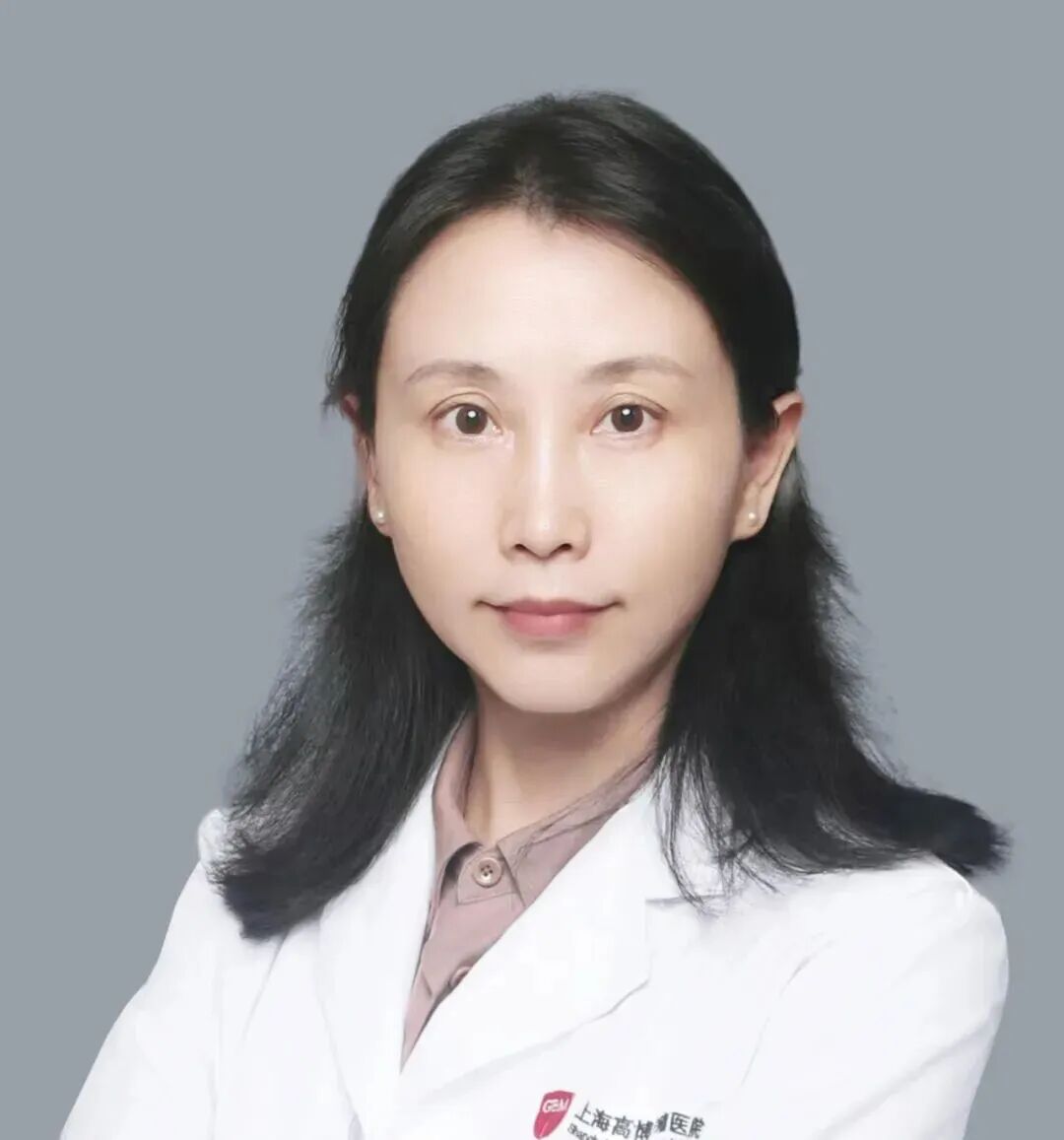
Dr Li Shuang
- · Vice Dean of Science and Education and Director of Thoracic Oncology, Shanghai GoBroad Cancer Hospital, affiliated with China Pharmaceutical University
- · Chief Physician and Master’s Supervisor
- · Specialises in comprehensive cancer treatment and full-course management, integrating chemotherapy, targeted therapy, immunotherapy and radiotherapy, including neoadjuvant and adjuvant care
- · Committee Member, CSCO Anti-tumor Drug Safety Management Committee
- · Committee Member, Brain Metastasis Group, China Anti-Cancer Association Neuro-Oncology Committee
- · Member, Chinese Radiation Oncology Cooperative Group
- · Committee Member, Shanghai Anti-Cancer Association Cancer Rehabilitation and Palliative Care Committee
Source: GoBroad Medical Forum — republished from our affiliated partner’s original patient story