Diffuse Large B-Cell Lymphoma · Sequential CAR-T · 11 September 2026
Diagnosed with Lymphoma at 65, He Relapsed and Progressed—After Two CAR-T Treatments, He Picked Up His Tennis Racket Again
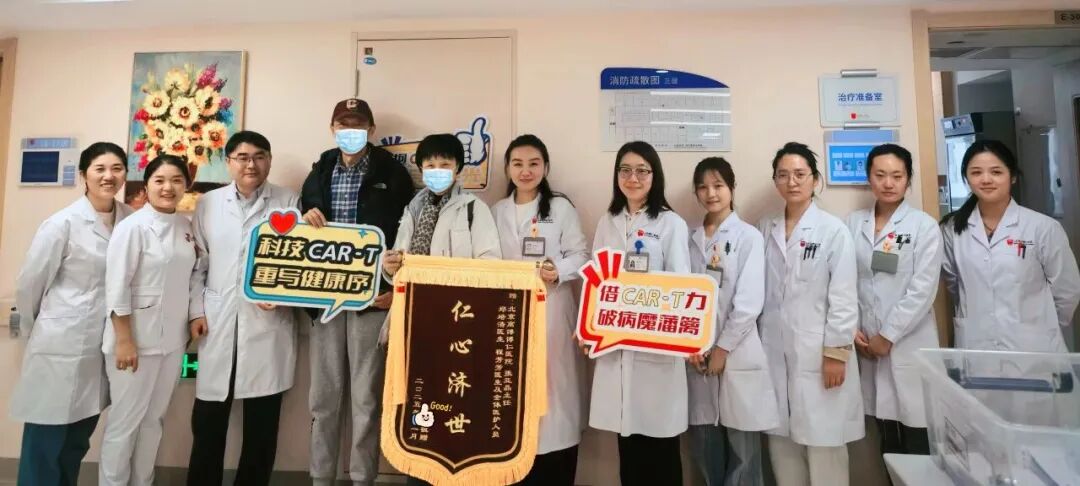
Patient
Mr Chen (pseudonym), diagnosed at 65
Diagnosis
Relapsed/refractory diffuse large B-cell lymphoma
Disease burden
Large fused abdominal–hepatic hilar mass invading the left liver; jaundice and HHV-6 positivity
Treatment
Tumor reduction and lymphodepletion, followed by CD19 CAR-T and sequential CD22 CAR-T consolidation
Hospital
Beijing GoBroad Boren Hospital
Outcome
Complete metabolic remission maintained through July 2026; weight and physical function restored
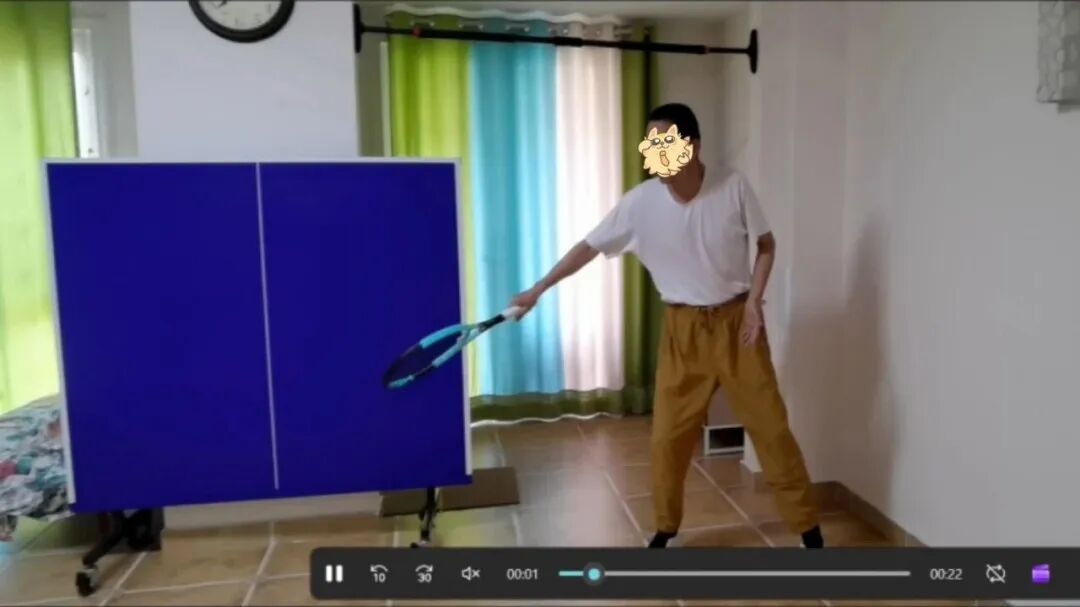
In the summer of 2026, 67-year-old Mr Chen (a pseudonym) stood steadily striking balls against a rebound net. At 1.84 metres tall and weighing more than 140 jin, he trained every day, his strokes measured and powerful.
Yet only a year and a half earlier, he had been wheeled into Beijing GoBroad Boren Hospital, weighing just 110 jin and too weak even to speak. He had diffuse large B-cell lymphoma that relapsed less than five months after chemotherapy-induced remission and progressed again after second-line treatment. Following a comprehensive assessment by Director Yajing Zhang’s team, he received CD19 CAR-T therapy and reached complete metabolic remission (CMR). In July of the same year, he received CD22 CAR-T therapy to consolidate the response and reduce relapse risk.
Today he returns regularly for follow-up and his test results remain stable. The tennis enthusiast who once could barely walk because of his illness has picked up his racket again.
A Difficult New Year: Lymphoma Diagnosed on Lunar New Year’s Eve
In November 2023, as the weather turned cold, my wife and I left Beijing to spend the winter in Hainan. Tennis is my greatest passion, but something felt wrong. I used to play for two hours; now I was breathless after half an hour. My tennis friends noticed and jokingly counted from the sidelines.
The real turning point came late one night in January 2024. At around midnight, my stomach suddenly hurt unbearably. My wife took me to the local county hospital for a CT scan. The doctor’s expression changed on reading it: there was a 12-centimetre mass in my stomach, and we were told to return to Beijing immediately.
The family took the earliest flight back. We went straight from the airport to hospital and I was admitted that day. Blood tests, PET/CT, gastroscopy and biopsy followed one after another. While waiting for pathology, the illness advanced faster than anyone expected: I could walk at first, but within two days I needed a wheelchair, and soon I vomited everything I ate. In February 2024, during the Spring Festival, I was diagnosed with diffuse large B-cell lymphoma.
After Remission: The Disease Relapsed in Less Than Five Months
On the second day of the Lunar New Year, while others visited relatives, I began my first chemotherapy. The initial regimen was R-CHOP chemotherapy combined with targeted medicine. My symptoms eased quickly after the first treatment, and I was pleased that although the disease had come fiercely, the treatment appeared to work.
After four cycles, PET/CT showed that the gastric lesion had shrunk markedly and the lymph nodes had decreased. Encouraged, I completed two more cycles, but the side effects became severe. The gastrointestinal reactions were extreme; I vomited whatever I ate and could only manage liquids, yet I persisted to finish treatment.
Less than five months after six chemotherapy cycles, the tumor relapsed. A CT before our planned winter return to Hainan showed it had again grown to nearly 12 centimetres. The sense that all our effort had been undone was indescribable.
The doctors changed treatment to GEMOX with targeted medicine, but during the second cycle the bone marrow suppression became intolerable. Fortunately the lesions had shrunk, so in view of my condition they adjusted the plan again to targeted medicine combined with steroids as maintenance.
At first it worked: some strength returned and my spirits lifted, so we revived our November plan for Hainan. But the check immediately before departure showed more and larger abdominal lesions. My lower back hurt more each day; I had no energy and could not eat. After a long discussion, the doctor recommended investigating cell therapy because of repeated relapse, progression and limited response to prior treatment. My family asked everywhere, and my son went directly to Beijing Boren Hospital to discuss my condition with Director Zhang. After talking it through at home, we decided to transfer. On 22 November 2024, my family wheeled me into Boren.
Rapid Progression: A CAR-T Combination Strategy Finally Brings Remission
When I first reached Boren, calling me moribund was no exaggeration. I had jaundice and was yellow all over; at 1.84 metres I weighed only 110 jin, skin and bone with every rib visible. With no flesh on my backside, even a hard cushion hurt. While washing my face, I splashed water, instinctively closed my eyes and pitched forward into the mirror. Afterwards I lacked even the strength to dry my face. Letting it air-dry remains a habit from that time. Most of the time, my wife spoke for me.
Director Zhang’s team immediately conducted a systematic assessment. PET/CT showed a huge fused mass extending from the abdominal mesentery to the hepatic hilum and invading the left lobe of the liver. HHV-6 was positive, while liver enzymes and bilirubin were elevated. They also arranged an abdominal lymph-node biopsy to reconfirm the pathology. Because the lesion was difficult to access, the team coordinated with an affiliated hospital to complete the biopsy, arranging every step carefully.
When the results came back, Director Zhang explained the plan and every step clearly. I had met many doctors before; her analysis and treatment logic made me feel secure. On 27 November, I began chemotherapy combined with targeted treatment. A lung infection developed, so the team provided anti-infective treatment and collected and cryopreserved my autologous hematopoietic stem cells as a reserve. On 24 December, I entered conditioning: targeted medicine and localized radiotherapy reduced the tumor, followed by lymphodepleting chemotherapy in preparation for CAR-T infusion.
On 7 January 2025, I received CD19 CAR-T. A new challenge emerged: I tested positive for influenza A that day. Fever began that evening and recurred, with low blood pressure, swelling around both eyes, cytokine release syndrome (CRS) and capillary leak syndrome. Director Zhang’s team provided antiviral therapy, controlled inflammation, supported blood pressure and adjusted the plan dynamically. Watching the doctors and nurses manage everything methodically, I slowly became less frightened.
After infusion I entered a period of marrow suppression. My blood counts fell sharply and I needed repeated transfusions. The previously frozen autologous stem cells were then infused, and my counts gradually recovered. On 20 February, PET/CT showed CMR. At last, I had the result I had waited for.
My condition improved day by day. My weight rose from 110 jin and my strength returned; my wife said my colour and energy were back. At follow-up, Director Zhang advised that although control was excellent, my relapsed/refractory disease warranted sequential CAR-T against a second target to clear possible residual tumor cells more deeply and reduce future relapse risk.
In July 2025, I received CD22 CAR-T. Grade 1 CRS caused persistent fever, which subsided with symptomatic treatment. My blood counts then recovered and I was discharged to recuperate. As the disease remained stable, the interval between follow-ups gradually lengthened. Each stable result brought a little more peace of mind.
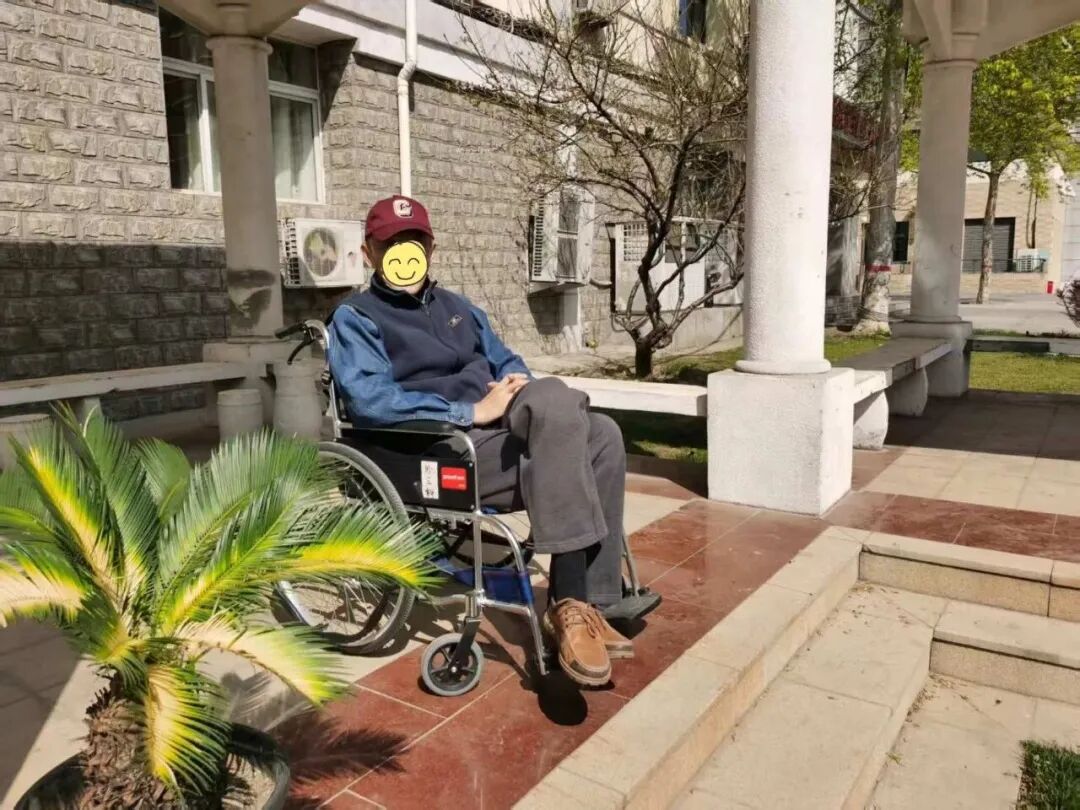
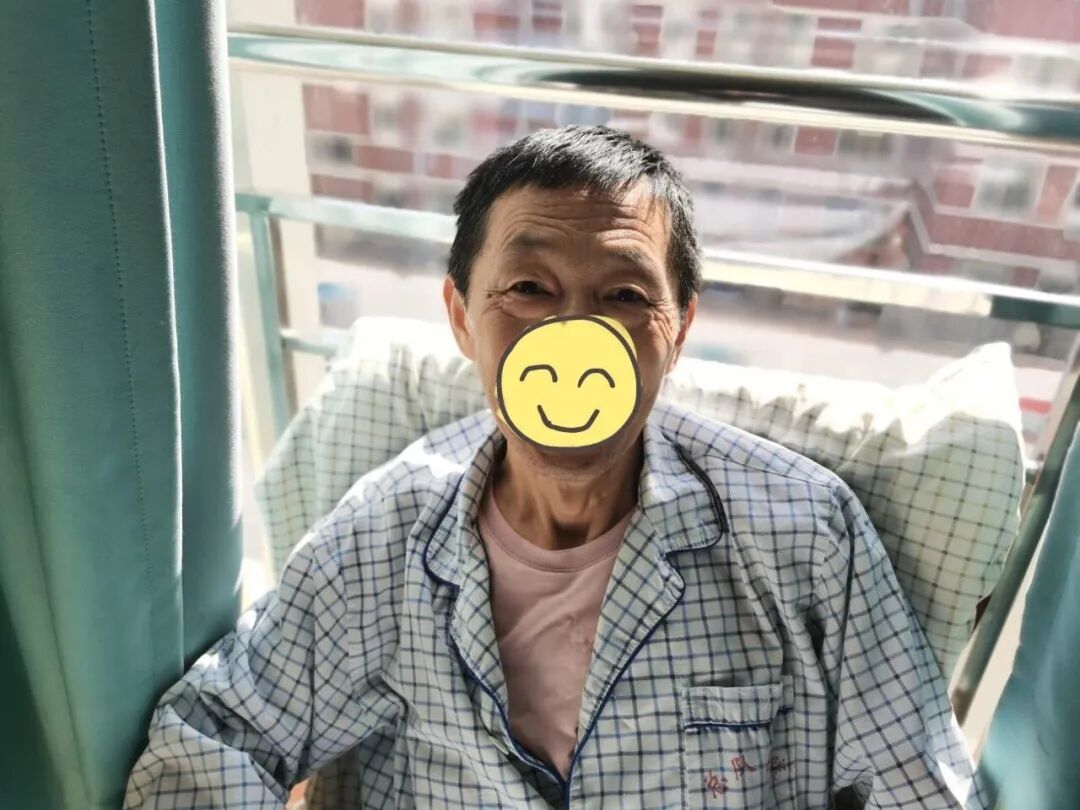
From 110 to Over 140 Jin: Holding a Tennis Racket Again
After discharge I set myself a goal: return to the court. Director Zhang said I could play in moderation, and that reassured me. But when I first tried to move, I could not even twist open a mineral-water bottle. I placed a hand gripper on the arm of the sofa and squeezed it alternately with each hand while watching television. When some strength returned, I began exercising slowly. Many say recovery should be moderate, but I believe moderation is the foundation and progress is the key—improve a little every day and persist.
Eating went from counting individual grains to a normal diet, and my weight rose from 110 to more than 140 jin. My grip returned and muscle gradually grew back. Once I climbed a small hill made entirely of steps in seven minutes without stopping. Now I practise backhands against the net every day—front crossover, back crossover and lateral movement—recovering the fundamentals one by one and looking forward to the day I return to the court.
Entrusting My Life Here Gave My Family and Me Peace of Mind
I know clearly that Boren pulled me back. Director Zhang thinks clearly and works reliably; whenever she stood at my bedside during rounds, I felt secure. Attending doctors Peihao Zheng and Fangfang Cheng were also exceptionally responsible. The entire team responded whenever we needed them. My wife later said that elsewhere patients fear annoying doctors by asking too much, but at Boren we never felt that way.
The nursing team moved me deeply. When I arrived emaciated and a hard seat hurt, the head nurse sewed a soft cushion especially for me. Only after being ill for a long time do you understand how precious such care is. My admission coincided with Christmas; doctors came to the ward dressed as Santa Claus to cheer everyone and took a photograph with me. My wife says Boren’s doctors and nurses share two qualities: patience and service with a smile.
After everything I have been through, I want to share a few thoughts with fellow patients. First, mindset matters. Keep your emotions steady and continue sending yourself positive signals; it truly helps.
Second, do not let prejudice trap you. Honestly, before coming to Boren I knew little about it and had never heard of CAR-T, so I resisted when my family proposed a transfer. After everything I experienced here, my view changed completely. You cannot judge in advance whether a hospital is good; you must learn and make contact yourself. A hospital that brings a patient back when all roads seem closed depends on a professional team and the determination to perfect its work. I think that is remarkable.
If this illness taught me anything, it is this: do not be afraid when disease comes, and do not stop when the road is hard. As long as there is still a breath in you, there remains a chance to turn the match around.
This article was compiled from the patient’s and family’s account and published with their consent. Pseudonyms are used to protect privacy. Individual conditions vary greatly; specific diagnosis and treatment must follow medical advice.
Director Yajing Zhang’s Commentary: As Mr Chen Maintains CMR After CAR-T
I still vividly remember Mr Chen arriving in a wheelchair in November 2024. A 1.84-metre man had fallen to 110 jin, with yellow sclera and waxy skin. The tumor compressed the bile duct, the jaundice worsened and bilirubin soared. PET/CT showed a huge confluent mass from the abdomen to the hepatic hilum invading the liver; active HHV-6 replication made matters harder. His condition deteriorated daily, moving from barely eating to vomiting everything within days. The treatment window was extremely short.
Such a case allows neither hesitation nor trial and error. Relapse within five months of first-line treatment and progression within 80 days of second-line therapy told me that conventional treatment had closed its doors. CAR-T was necessary, and quickly. Yet the enormous tumor burden was a time bomb: direct infusion could trigger uncontrollable severe CRS. Courage is not recklessness; strategy is what breaks a deadlock. We chose a ‘reduce tumor first, then lymphodeplete, then infuse’ strategy, while proactively cryopreserving autologous stem cells as a strategic reserve against severe marrow suppression or delayed cytopenia after CAR-T. When timing was right, multi-target regulation and localized radiotherapy precisely reduced the tumor, followed by lymphodepletion. The entire plan sought the most exact balance between maximal tumor clearance and ensuring the patient could withstand the CAR-T storm.
After infusion, the expected cytokine storm occurred. Influenza A overlapped with CRS and capillary leak syndrome, bringing high fever, hypotension and severe edema at once. Drawing on years of accumulated experience and contingency planning, we activated multidisciplinary coordination and balanced suppression of the inflammatory storm against preservation of CAR-T antitumor activity. The crisis passed. When PET/CT reported CMR, the change from extensive lesions to clean imaging was not only a technical victory but confirmation that the strategy was correct.
But those who do not plan the whole cannot plan one part. For relapsed/refractory patients, one remission is only the beginning. We therefore followed with sequential CD22 CAR-T consolidation, using a dual-target relay to clear residual disease and prevent antigen escape, supported by maintenance treatment and regular follow-up. This reflects full-lifecycle management: not settling for the CMR in front of us, but pursuing long-term survival with quality.
Mr Chen has now recovered physically and picked up his tennis racket again. His July 2026 PET/CT remained CMR. Medically this is complete remission; in quality-of-life terms, it is the return of a person’s full dignity.
Medicine is never a cold accumulation of techniques. We accept such difficult cases in narrow windows because we understand CAR-T mechanisms deeply and are prepared to anticipate and manage complications. We insist on sequential consolidation and long-term follow-up because long-term benefit is the highest priority. The soft cushion in the ward and holiday wishes and gifts express another belief: when disease has broken the body, warmth for the spirit is the best support.
Mr Chen’s survival is owed first to his tenacious will, his family’s complete trust and companionship, and every team member’s day-and-night dedication. As doctors, we only fulfilled our duty and the promise that health and life are entrusted to us. Seeing him stand on a tennis court again fills me with joy for him and pride in our team.
The ultimate purpose of medicine is never merely to extend the length of life, but to expand its breadth. Mr Chen’s full-lifecycle care continues. Our team will keep watching over his long-term health and safeguarding every follow-up. May he keep holding that racket and play many more beautiful return shots on the court of life.
Treatment timeline
- Nov 2023–Feb 2024Breathlessness while playing tennis led to investigations; a 12 cm gastric mass was found and diffuse large B-cell lymphoma diagnosed.
- 2024Six cycles of R-CHOP plus targeted medicine produced remission, but relapse occurred within five months; GEMOX and subsequent maintenance could not prevent further progression.
- 22 Nov 2024Transferred by wheelchair to Beijing GoBroad Boren Hospital with jaundice, severe weight loss and extensive abdominal disease invading the liver.
- 27 Nov–24 Dec 2024Chemotherapy and targeted treatment, infection control, stem-cell collection, tumor reduction and lymphodepleting conditioning prepared him for CAR-T.
- 7 Jan–20 Feb 2025CD19 CAR-T was infused; influenza A, CRS, capillary leak and marrow suppression were managed. PET/CT then confirmed CMR.
- July 2025Sequential CD22 CAR-T consolidation was completed; grade 1 CRS resolved with symptomatic treatment.
- July 2026PET/CT continued to show complete metabolic remission; weight exceeded 140 jin and regular tennis training resumed.
About the specialist
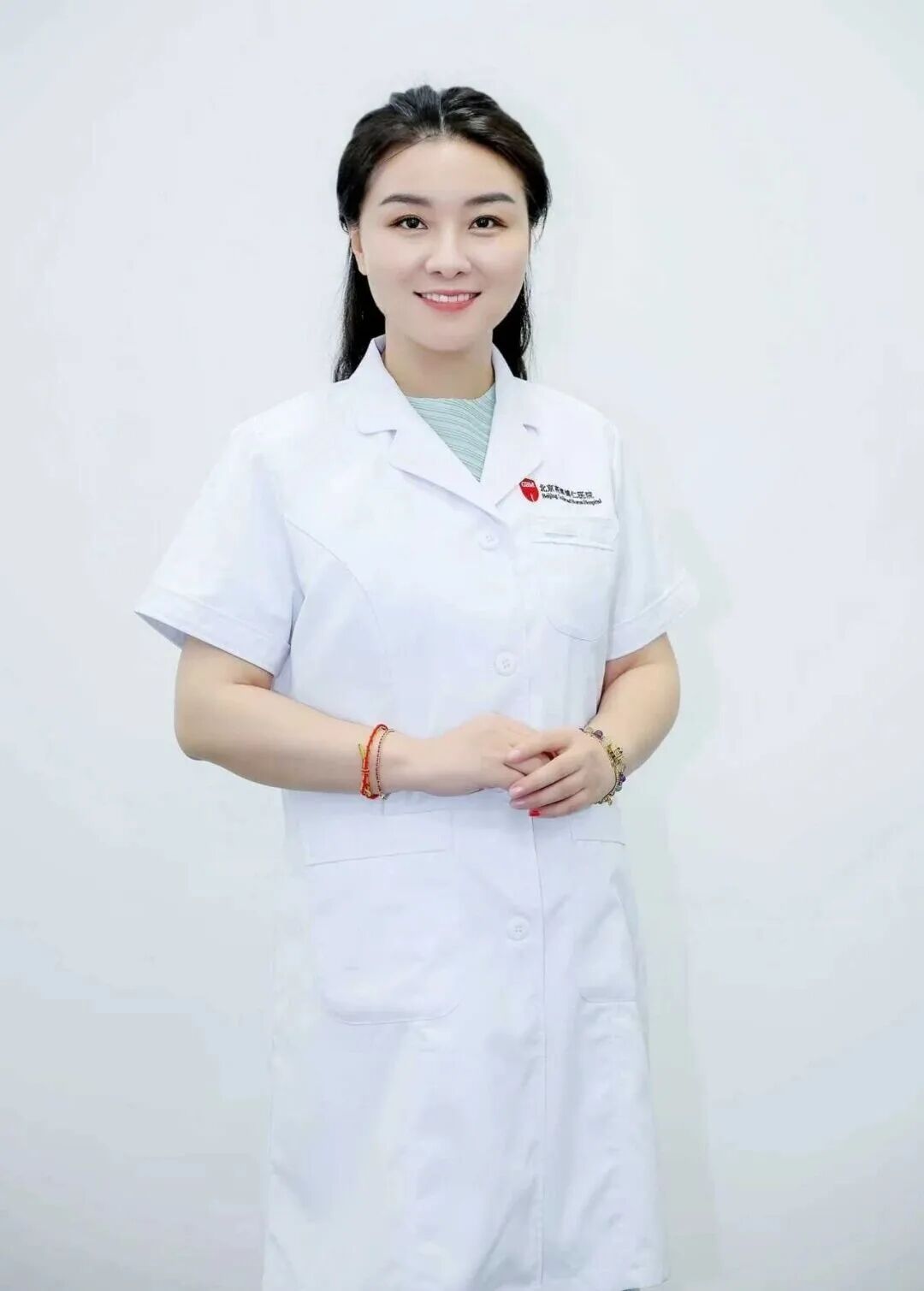
Dr Yajing Zhang
- · Director, Cancer & Immunology · Innovative Medicine Center, Beijing GoBroad Boren Hospital
- · Chief physician; MD, PhD and postdoctoral fellow; master’s supervisor at China Pharmaceutical University; Beijing Nova Program scholar
- · Focuses on the clinical application and translational research of cellular and immunotherapies for cancer and autoimmune disease
- · Principal investigator of eight international, national and provincial projects; first or co-first author in Blood, Leukemia, JEM and STTT, with cumulative impact factor above 150
- · Recipient of the JEM 2023 Outstanding Paper Award, first prize for outstanding scientific and technological innovation paper in Southern Guangdong, and PLA General Hospital Science and Technology Progress Second Prize
- · Researcher at the Institute of Hematology, Chinese Academy of Medical Sciences; standing member or committee member of more than ten national academic organisations
- · Lead drafter and author of standards and expert consensuses for CAR-T long-term follow-up and toxicity management in NHL