Adult Leukaemia · CAR-T Cell Therapy · 15 September 2025
Patient Voices | Nine years in complete remission after CD19 CAR-T for B-ALL: he has helped thousands with his own hands — "If I survive, I will help many people"
Diagnosis
Acute B-lymphoblastic leukaemia (B-ALL) with myeloid expression
Age at diagnosis
29 years old (2016)
Presentation
Months of unexplained low-grade fever and fatigue; normal blood count but abnormal bone marrow aspiration
Prior treatment
VCDLP, VCIDL, VCLD and Hyper CVAD-B chemotherapy with persistent MRD; relapse in April 2017 (14.9% blasts); a first CAR-T attempt failed at cell culture; haploidentical stem cell transplant on 2 June 2017, relapse four and a half months later
Treatment at GoBroad Boren
FC conditioning from 14 December 2017; infusion of autologous CD19 CAR-T cells on 19 December 2017, with intensive multidisciplinary management of severe liver injury and jaundice during conditioning
Outcome
Morphological complete remission with negative MRD 15 days after infusion; sustained for almost nine years
Since recovery
Monthly volunteer tuina and bone-setting for medical staff and patient families since early 2018 — thousands of sessions
Hospital
Beijing GoBroad Boren Hospital (GoBroad Medical [Haematology] Beijing Research Centre)
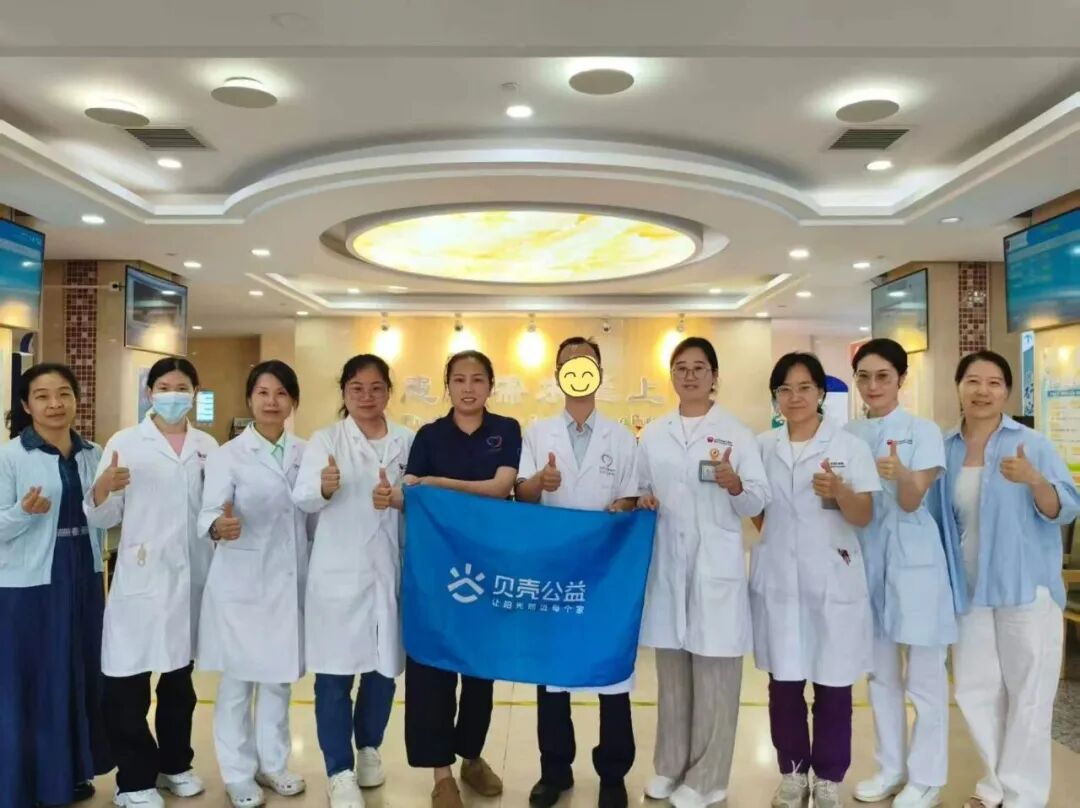
"What is the one thing you have kept up the longest?" Some say three years, some say five. One man goes to several hospitals every month to give free tuina massage and bone-setting to complete strangers — and he has kept it up for nine years. He is a practitioner, a volunteer, and a blood-cancer patient who walked from despair into a new life.
In the summer of 2016, 29-year-old A-Feng (a pseudonym) was diagnosed with acute B-lymphoblastic leukaemia with myeloid expression. Chemotherapy worked poorly, the disease kept coming back, and a first attempt at CAR-T failed. In June 2017 he successfully completed a haploidentical stem cell transplant and thought the ordeal was finally over — but only four and a half months later the tumour returned. After several more hospitals, in December 2017 he came to Beijing GoBroad Boren Hospital, to the immunotherapy team led by Prof. Tong Chunrong and Dr Lin Yuehui. Remarkably, 15 days after his CD19 CAR-T infusion his bone marrow was in complete remission (CR) with negative minimal residual disease (MRD). That result has held ever since.
Once his health returned, he did not simply walk away. From the beginning of 2018 until today, A-Feng comes back to Boren Hospital every month to ease the aching shoulders, necks and backs of tired medical staff and patient families. Nearly nine years, thousands of people. He says it is nothing remarkable — it is only that, lying in a hospital bed back then, he made himself a promise: "If I get through this, I will help many people." Today he has truly done it.
Months of low fever — and a diagnosis of acute leukaemia
In early summer 2016 I began running an inexplicable low fever and feeling weak. Around then I went back to my home town of Handan in Hebei to bring in the wheat harvest. I weighed 90 kg and used to carry a sack of wheat with ease; that year one sack left me gasping. After a rest I felt fine again, so I thought nothing of it. I dragged on like that until August, when my body simply could not take it and I went to the local hospital.
The routine blood test was largely normal, but the bone marrow aspiration sent to an outside laboratory came back as acute B-lymphoblastic leukaemia. I could not believe it and transferred immediately to a provincial tertiary hospital. Marrow smear, immunophenotyping, biopsy — put together, the final diagnosis was acute B-lymphoblastic leukaemia with myeloid expression.
That day I sat in the hospital corridor with only one thought in my head: what about my two children? The elder was two and a half, the younger only six months and still nursing. If I went down, what would happen to them?
Chemotherapy setbacks, and relapse just four and a half months after transplant
I started chemotherapy quickly at the provincial hospital. The first VCDLP course ended with no remission. They switched to VCIDL for re-induction and the marrow finally showed remission. The joy did not last: in November 2016 flow cytometry showed 5.9% abnormal immature B cells. So they switched to VCLD and the residual disease fell a little; at the end of the year they moved to Hyper CVAD-B.
One regimen after another, and the residual disease clung on like a ghost. Between me and the illness it was a tug of war with no final whistle — neither side could win.
In April 2017 the marrow report came back with 14.9% blasts — the disease had relapsed. My doctor told me further chemotherapy would achieve little and suggested trying other approaches. That was the first time since falling ill that I felt real despair.
I then went to Beijing and moved between hospitals looking for CAR-T cell immunotherapy. I finally got into one hospital — blood draw, cell culture, conditioning — but sadly the cell culture failed.
With no other option I moved to another hospital, where I developed repeated high fevers, a perianal infection and mouth ulcers, and E. coli grew from my blood cultures. After a long struggle my condition improved, and a repeat marrow test unexpectedly showed complete remission — flow cytometry still detected residual disease, but the doctors judged that I could proceed to transplant.
So I transferred to a third hospital. On 2 June 2017 I entered the laminar-flow room for conditioning and successfully completed a haploidentical stem cell transplant. White cells and platelets engrafted quickly with no obvious rejection. The day I was discharged the sun was shining, and I felt my life had been given back to me.
Yet only four and a half months after transplant, a marrow re-examination showed blasts again. After the anti-rejection drugs were reduced and stopped, flow cytometry still showed residual disease; the doctors tried other interventions, and then my liver function was damaged. I said little to my family — I only felt I was racing the disease, and I could not stop, could not lose.
CAR-T cell therapy — nearly nine years of continuous complete remission
In December 2017 I came to Boren Hospital. In fact, when I was preparing for my transplant I had wanted to come here, but Boren had only just opened and could not yet take haploidentical transplant patients. This time, after a full assessment, the immunotherapy team led by Prof. Tong Chunrong and Dr Lin Yuehui decided to infuse CD19 CAR-T cells.
On 14 December 2017 I began FC conditioning; on 19 December my autologous CD19 CAR-T cells were infused. During conditioning my liver function deteriorated sharply, with transaminases and bilirubin climbing fast. When I looked in the mirror I got a fright — I was yellow from head to toe, severely jaundiced. Prof. Tong Chunrong, Prof. Wu Tong and Dr Lin Yuehui immediately organised a multidisciplinary consultation and adjusted my plan again and again: they had to halt the liver injury without compromising the anti-tumour activity of the CAR-T cells, an extremely delicate balance. After nearly two weeks of fine control, my numbers finally began to fall.
During my time at Boren I experienced many things that were "different". Prof. Tong and Dr Lin always explained patiently on their rounds, and whenever I did not understand something they would go over it tirelessly until I did. I had never met that kind of patience in any other hospital. The staff were professional and warm; when you met them in the corridor they called your name like family. And then there was the charity kitchen for families — not just a place to cook, but a harbour where everyone kept each other warm.
I have never forgotten the words on the wall of Boren's outpatient hall: "The patient's needs come first." I remember them to this day.
From beneficiary to giver: nearly nine years of volunteering, warming thousands
While I was ill I received help from many kind people. Strangers I had never met came to my aid in the depth of winter — I have kept that warmth in my heart and never dared forget it. So once I was better, I always wanted to do something to repay everyone.
Besides, I recovered well, and I wanted to show that good side to others. Lying in that bed back then, how I longed to see with my own eyes someone who had been cured stand in front of me and say: "Look at me — I was sicker than you and I am fine now." Today I am glad to be the person who lets others see hope.
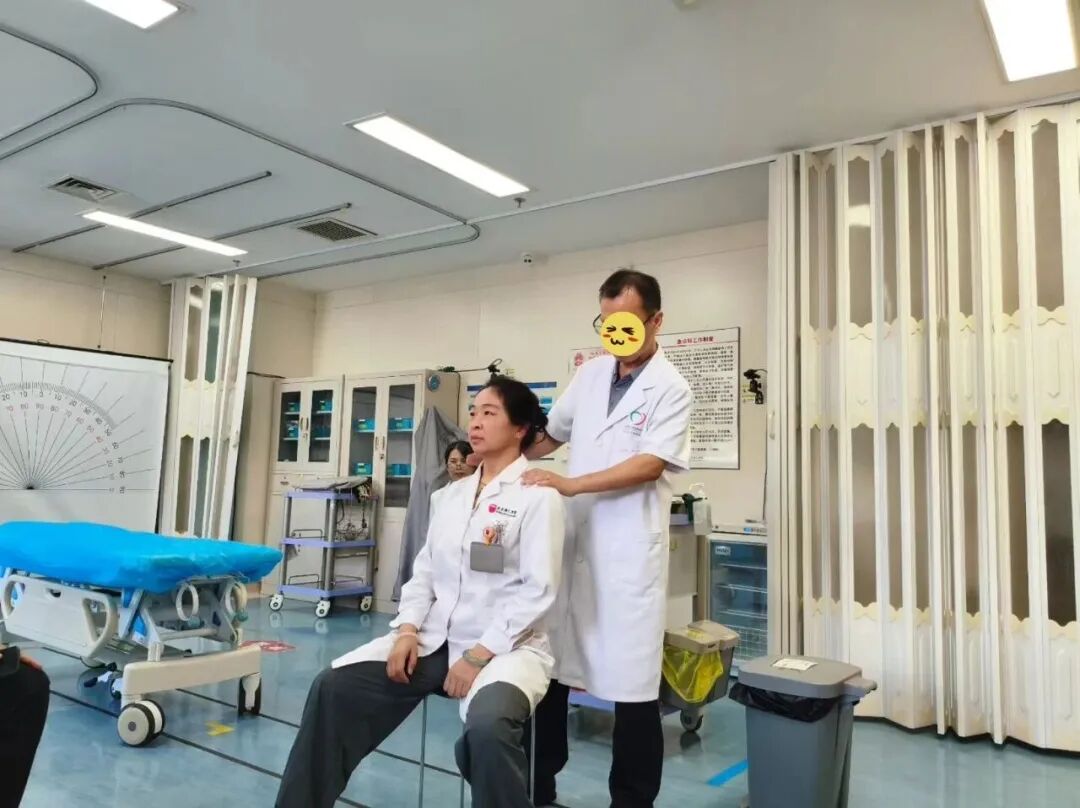
I had trained in acupuncture and tuina. At the start of 2018, back at Boren for a check-up, I saw families dozing in the hall, the corridors and the wards, rubbing their shoulders. I knew that state too well — when I was in hospital my own family kept watch day and night, aching all over but unwilling to leave for a moment. So I went up and said: "Let me give you a massage." When I finished one, the person beside them asked: "Could you do mine too?" I said yes. One after another, and the whole morning was gone.
That first massage turned into nine years, almost every month. On busy days my hands shake from the work, but my heart feels full — a feeling no amount of money can match. Often I chat while I work. When I finish, their bodies loosen up and the words bottled up inside come out too. They are willing to talk, and I am willing to listen.
To fellow patients: magnify the optimism, reduce the negativity to zero
It has been almost nine years and I am still doing this. The doctors at Boren pulled me back from the edge of the cliff and gave me a second life. All I can give back is to use that second life to warm more people who are walking the same dark road.
I would also like to say a few words to fellow patients. My thinking has changed a great deal over these years of illness. I used to chase career success in the worldly sense; now I truly understand that health matters most, and family matters most. With more money or less, life goes on — a family safe and together beats everything.
Patients often ask me how to keep a good state of mind. My experience is this: take to heart the words that comfort you and do you good; let the useless words go. Look at your own shining side. Magnify the optimism and reduce the negativity to the minimum. When you are happy your blood flows smoothly and your whole body feels easy; when you are sad, nothing feels right. The power of optimism is far greater than you imagine.
I want to give every friend in treatment one sentence: while you are alive, there is hope. I believed it back then; I hope you will believe it too.
My two children are now in junior high and about to start fifth grade, and I truly treasure and give thanks for that. Every month I still come to Boren to knead a few shoulders and loosen a few backs for the families and staff here. When I am done and set off home on a sunny day, I feel it from the bottom of my heart — it is good to be alive, and better still to be able to help others.
*This article is based on the account of the patient/family. Pseudonyms are used to protect privacy. Individual conditions vary greatly; please always follow your own doctor's advice on treatment.
Clinical commentary
Acute B-lymphoblastic leukaemia (B-ALL) is one of the common types of acute leukaemia, arising mainly from B-lineage lymphoid progenitors. It occurs most often in children (especially aged 2–5), accounting for 75–80% of childhood acute leukaemias; in adults the incidence is bimodal, concentrated in older and young-adult age groups, and B-ALL makes up 20–30% of adult ALL.
1. The cause is not fully understood and is generally thought to result from a combination of genetic, environmental and viral factors. 2. Common clinical features come from suppression of normal haematopoiesis and organ infiltration: anaemia, bleeding and infection; hepatosplenomegaly and painless generalised lymphadenopathy; bone and joint pain; central nervous system involvement (headache, vomiting, blurred vision, neck stiffness); and painless testicular enlargement in male patients.
3. Diagnosis combines clinical, laboratory and imaging findings, centred on integrated MICM diagnosis (morphology, immunology, cytogenetics, molecular biology): bone marrow aspiration and biopsy are the gold standard, with ≥20% blasts plus immature lymphocytes required for diagnosis; immunophenotyping confirms B-cell lineage; cytogenetics and molecular tests detect karyotype (such as hyperdiploidy or the Philadelphia chromosome), fusion genes and mutations for risk stratification and precision treatment.
4. Treatment and prognosis: children (especially aged 1–9 with a lower white cell count at diagnosis) are sensitive to chemotherapy, with 5-year survival of 85–90%. In adults, cure rates with chemotherapy alone are relatively poor — around 30–50% in the low/intermediate group, and only 10–20% in high-risk adults (especially over 35, with high white cell counts or high-risk mutations); chemotherapy alone rarely cures, and combining it with stem cell transplant improves outcomes. In recent years immunotherapy and targeted therapy have been the biggest breakthrough — CAR-T, antibodies and targeted drugs can precisely recognise and kill leukaemia cells to achieve deep remission, and bringing immunotherapy forward in the treatment course prolongs survival and can even cure.
A-Feng, with acute B-lymphoblastic leukaemia that relapsed after repeated chemotherapy and again after allogeneic transplant, was undoubtedly unlucky; but he bravely tried CAR-T after relapse and was cured by CAR-T alone — undoubtedly very fortunate. The road was full of obstacles, yet he did not complain about fate or sink into it. Once he was better he threw himself into whatever charitable work he could, helping and influencing more people for nearly nine years. His deeds and his optimism inspire those around him — heroes are among us, and we hope more patients recover as he has. — Dr Lin Yuehui, Prof. Tong Chunrong's team
Treatment timeline
- Summer 2016Unexplained low fever and fatigue; in August, bone marrow tests led to a diagnosis of acute B-lymphoblastic leukaemia with myeloid expression at the age of 29.
- 2016 – early 2017VCDLP (no remission), VCIDL (remission), VCLD after 5.9% abnormal B cells in November, then Hyper CVAD-B; residual disease persisted throughout.
- Apr 2017Bone marrow showed 14.9% blasts — relapse. Further chemotherapy judged futile; he went to Beijing seeking CAR-T, but the first cell culture failed.
- 2 Jun 2017Haploidentical stem cell transplant completed after conditioning; white cells and platelets engrafted smoothly with no obvious GVHD.
- Oct 2017Four and a half months after transplant, blasts reappeared; residual disease persisted after anti-rejection drugs were tapered, and liver function was damaged.
- Dec 2017Transferred to Beijing GoBroad Boren Hospital; the immunotherapy team of Prof. Tong Chunrong and Dr Lin Yuehui assessed him and decided on CD19 CAR-T.
- 14–19 Dec 2017FC conditioning from 14 December, complicated by severe liver injury and jaundice managed by multidisciplinary consultation; CD19 CAR-T cells infused on 19 December.
- Jan 2018Fifteen days after infusion, bone marrow morphology showed complete remission with negative MRD.
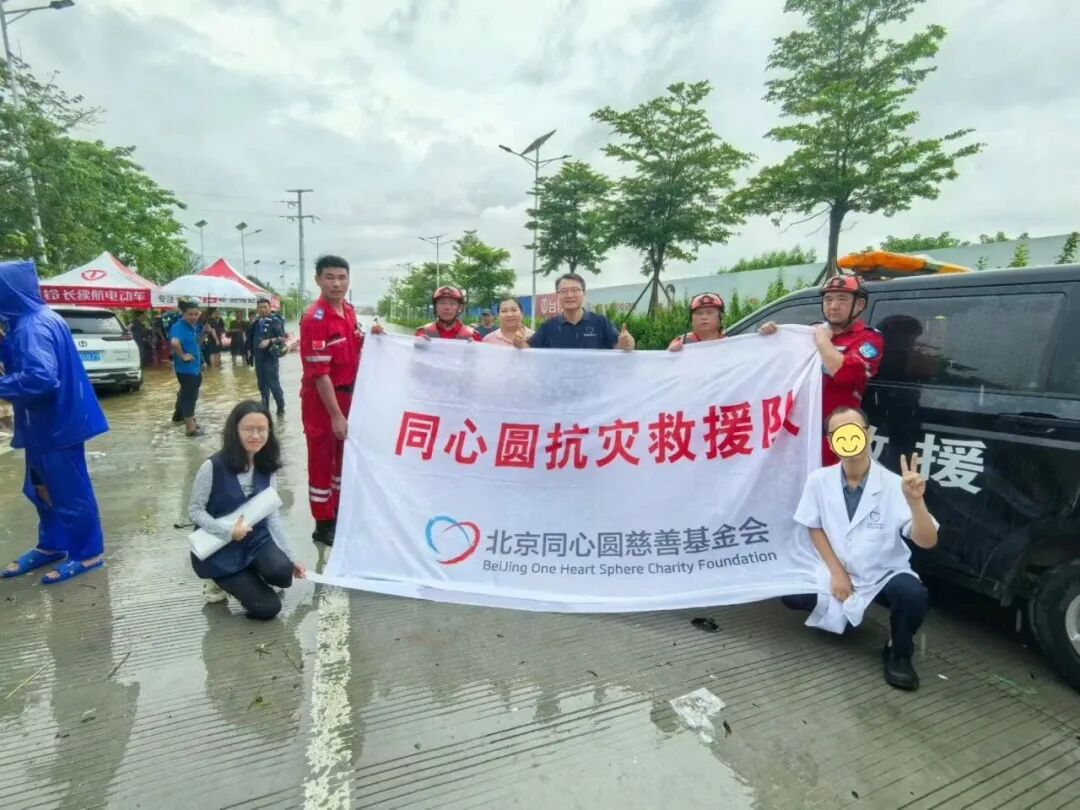
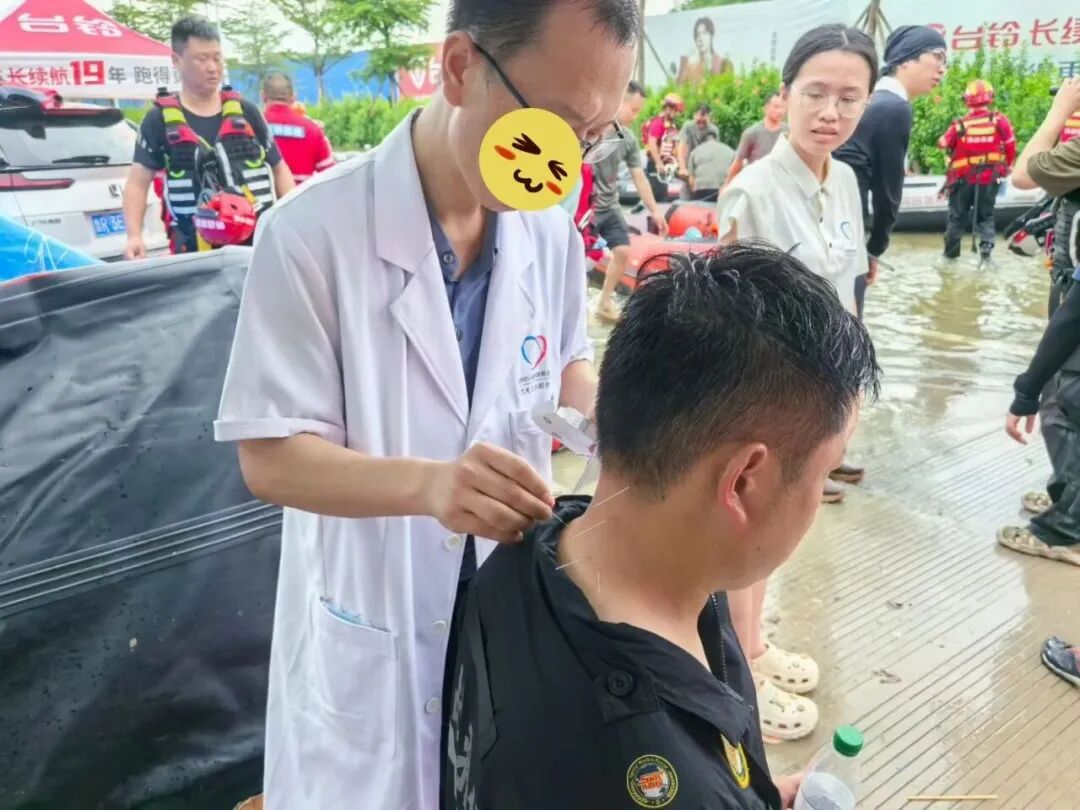
- 2018 – 2025Continuous complete remission for almost nine years; every month he returns to Boren Hospital as a volunteer, giving free tuina and bone-setting to thousands of staff and family members, and joined disaster relief work in Guigang, Guangxi.
About the specialist
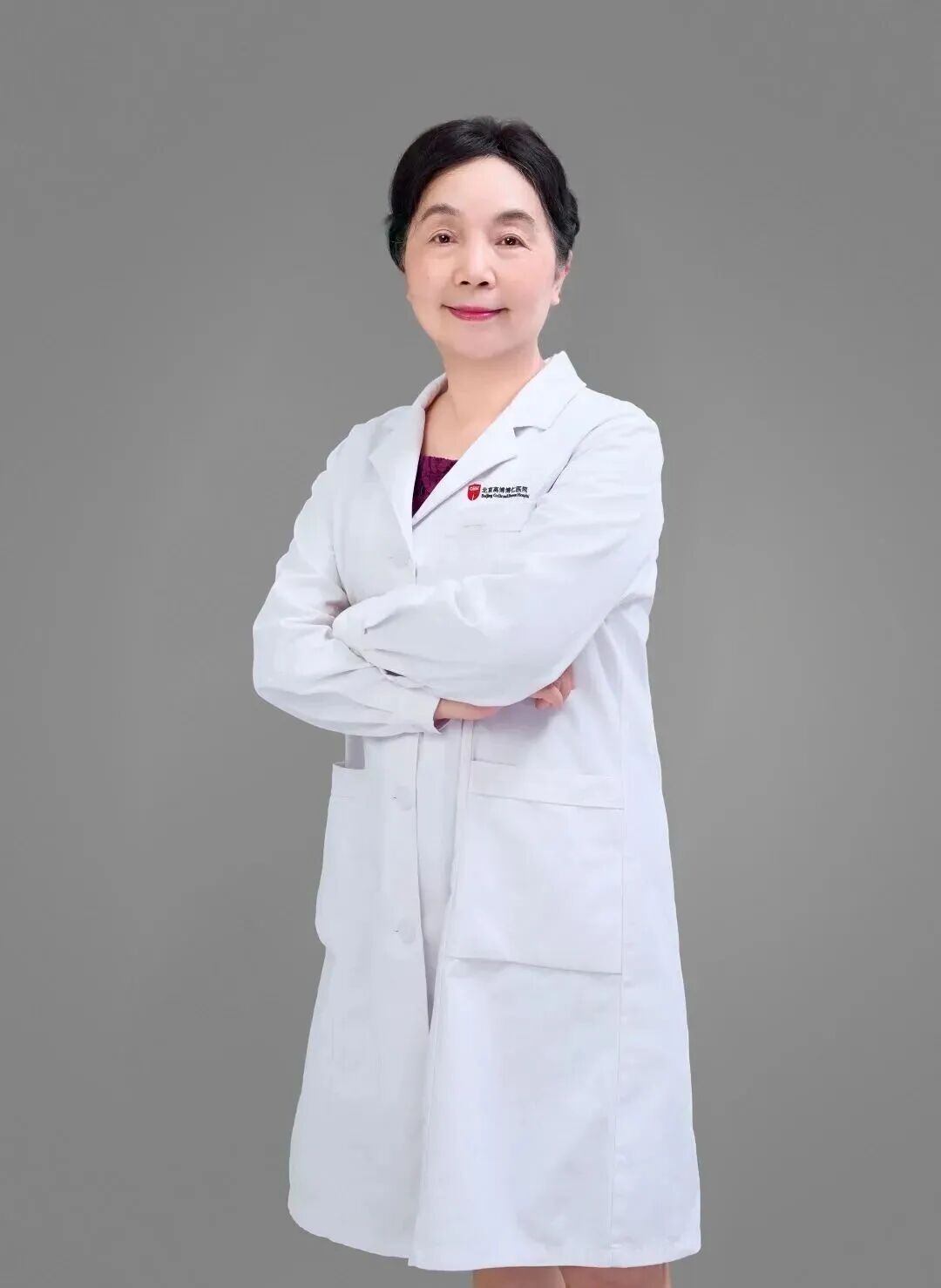
Prof. Tong Chunrong — Research President and Director of Haematology Department 1 (Haematology/Oncology), Beijing GoBroad Boren Hospital
- · Master of Medicine, Tongji Medical University; more than 40 years of clinical and laboratory work in haematology.
- · Specialises in immunotherapy for malignant tumours — particularly acute leukaemia, lymphoma and myeloma — and is among the earliest specialists in China to carry out immunotherapy (CAR-T, CIK, NK and others).
- · Expert in integrated diagnosis of blood diseases: cell morphology, cytochemistry, immunohistochemistry, flow cytometry, chromosome and FISH analysis, genetic diagnosis, pathogen analysis, and drug concentration and metabolism gene testing, to deliver integrated, individualised treatment.
- · Standing committee member, Clinical Committee of the Chinese Medicinal Biotech Association; member of the Biotherapy Committee and the Haematological Oncology Committee, Chinese Anti-Cancer Association.
- · Deputy chair of the haematological oncology committee, Laboratory Physicians Branch, Chinese Medical Doctor Association; deputy chair of the Beijing Expert Committee on Blood Cell Testing; editorial board member, Chinese Journal of Biotherapy.
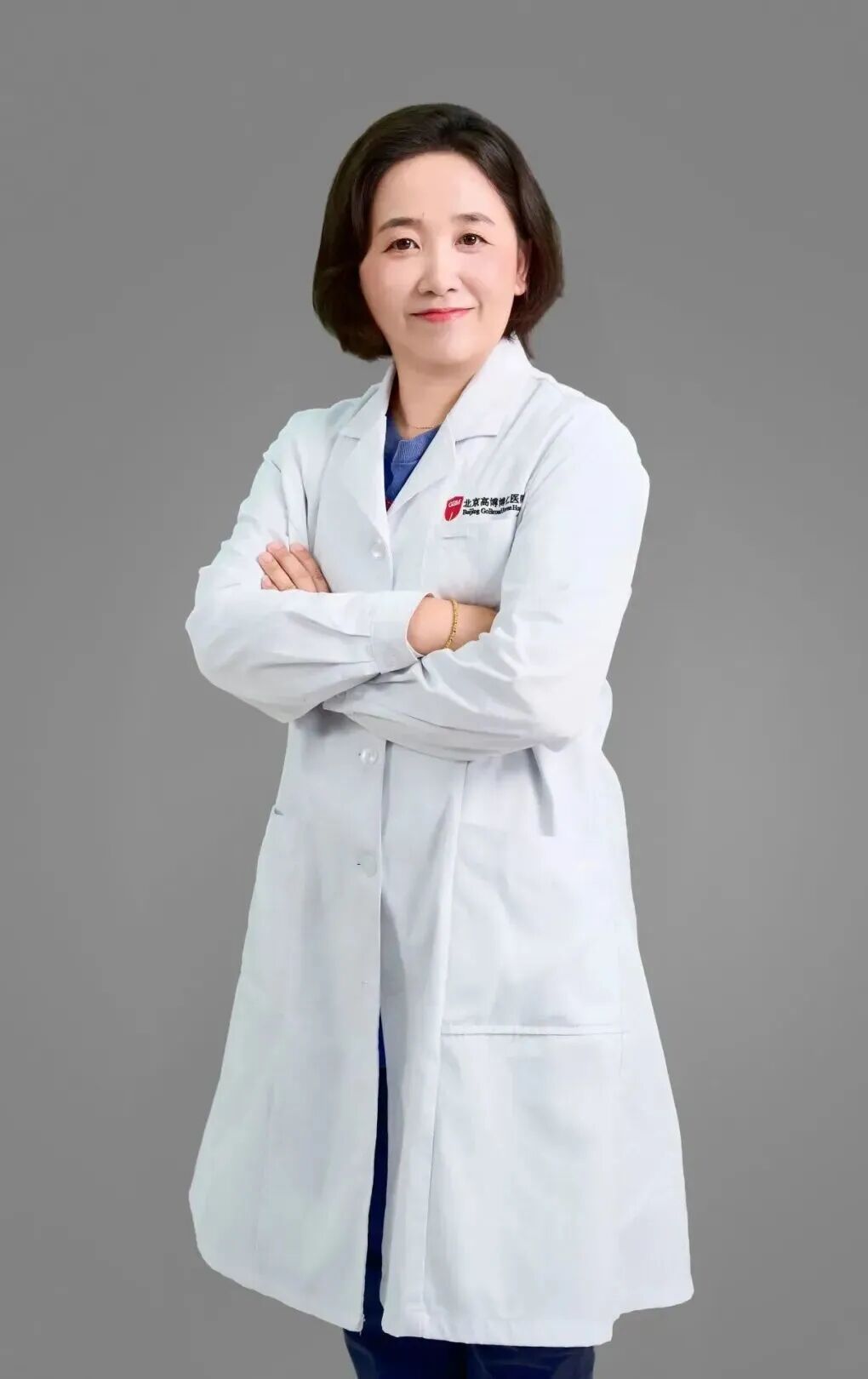
- · Working with Dr Lin Yuehui — Director of Ward 9, Haematology Department 1, Beijing GoBroad Boren Hospital; associate chief physician, Master of Medicine (Institute of Haematology, CAMS); member of the leukaemia immune cell therapy group of the China Blood Disease Specialist Alliance; associate editor of Integrated Diagnosis of Lymphoma; nearly 20 years in haematology, focused on chemotherapy, targeted therapy and CAR-T therapy with a strong laboratory diagnostic background.