CAR-T · Multiple Myeloma · 15 June 2026
Patient Voices | Repeatedly progressing multiple myeloma reaches complete remission after CAR-T therapy
Diagnosis
Multiple myeloma (IgD λ type), relapsed / refractory
Age
55 years old
Prior treatment
Multiple cycles of standard chemotherapy (partial response), targeted therapy, autologous stem cell transplant (June 2023), maintenance therapy
Treatment at GoBroad
Fourth-line BCMA CAR-T cell therapy (equecabtagene autoleucel), September 2025
Hospital
Shanghai GoBroad Liquan Hospital — Department of Haematology / Myeloma Centre
Outcome
MRD-negative complete remission, maintained beyond six months; very mild CRS
In July 2025, two years after her autologous transplant, Ms. Zhang (name changed) — who had been under regular review — found signs that her multiple myeloma was coming back. The shadow of repeated chemotherapy, which time had slowly faded, seemed about to fall over her again. "I don't want more chemotherapy. I want to live with quality."
To pursue long-term survival and a better quality of life, the medical team at Shanghai GoBroad Liquan Hospital carried out a full re-evaluation. After detailed discussion with the patient and her family, in September 2025 the team successfully performed CAR-T cell therapy (equecabtagene autoleucel). More than six months on, her underlying disease is in complete remission.
From the classroom to a myeloma diagnosis
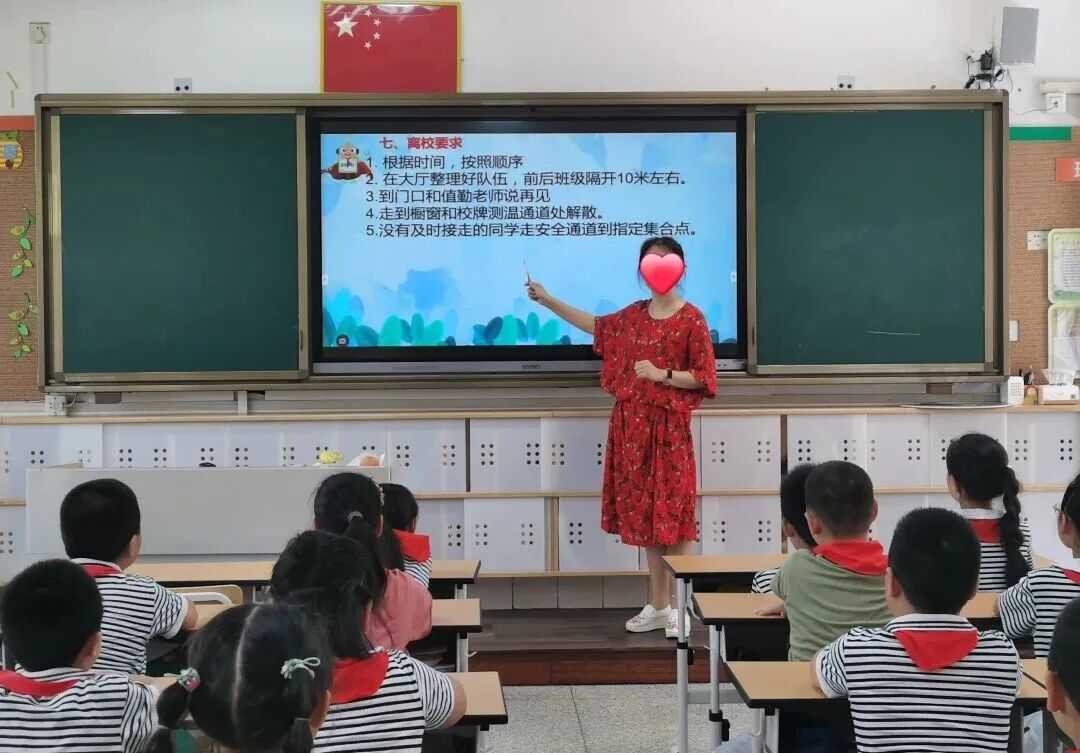
Ms. Zhang, now 55, had spent more than 30 years as a teacher. In the second half of 2022, as a new term approached, a dull ache in her lower back began to follow her everywhere and gradually spread into pain throughout her bones. She thought little of it — until one evening after work when she felt suddenly and severely unwell and vomited through the whole night. Tests at hospital led to a diagnosis of multiple myeloma (IgD λ type).
"At that time I couldn't stop worrying about my students," she recalls. She had not imagined that she would never return to the classroom she loved. Blood tests had shown abnormally high calcium and creatinine — a doctor friend recognised the classic "CRAB" pattern of myeloma and urged her to see a haematologist. A bone marrow biopsy confirmed the diagnosis. "I burst into tears. I thought blood cancer meant I could not survive."
Chemotherapy, depression, and an autologous transplant
After several cycles of standard myeloma chemotherapy her disease reached only a partial response, while the side effects were relentless — an injection every week, and severe malaise the day after. Exhausted in body and mind, she came to Shanghai GoBroad Liquan Hospital for further treatment and, in June 2023, underwent an autologous haematopoietic stem cell transplant.
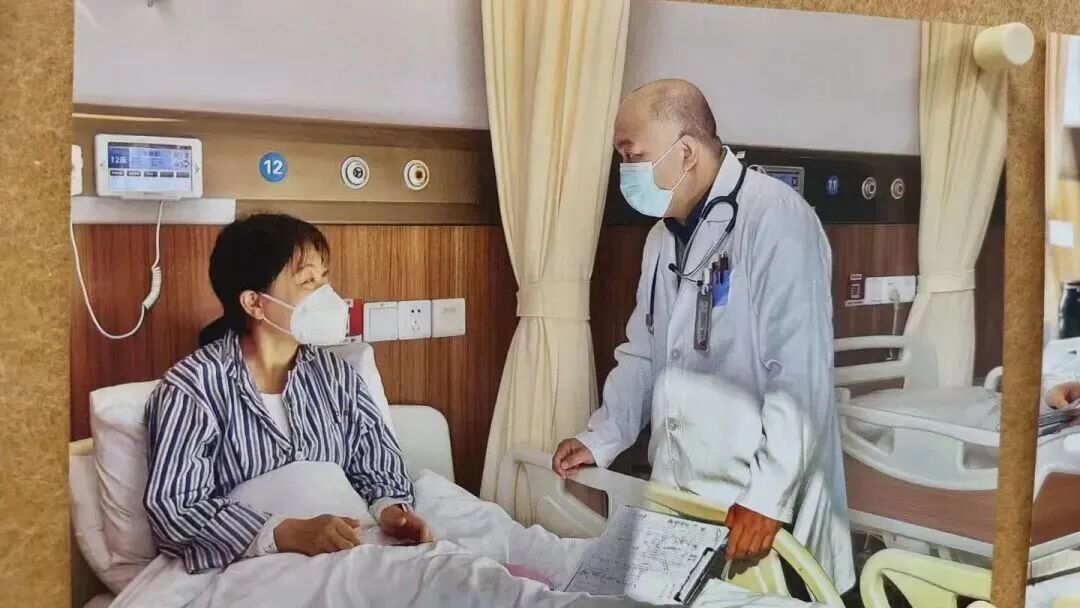
During the darkest period she was treated for depression with the support of her family and the hospital team. "I was very afraid of the transplant unit, but once inside it was not as frightening as I imagined. The nurses were professional and often chatted with me, and Director Li Su came in to check on me every day. After a little over 20 days I was discharged from the unit." The transplant worked well and she achieved complete remission.
Relapse — and the decision to choose CAR-T
Almost two years after transplant, a routine review showed her IgD rising again, signalling relapse. IgD myeloma is known to relapse readily. Director Li Su recommended myeloma CAR-T therapy, explaining that licensed CAR-T products in China are now mature and that Liquan Hospital had treated many patients with them successfully.
"At first I hesitated a lot. Then a fellow myeloma patient told me he had had CAR-T himself and it had worked well. I asked him whether he still needed chemotherapy afterwards — he said no. Seeing him living exactly like a healthy person, and knowing he needed no further chemotherapy, finally made up my mind."
Shanghai GoBroad Liquan Hospital is a designated CAR-T treatment hospital under Shanghai's "Hu Hui Bao" supplementary insurance scheme. As a patient with relapsed or refractory multiple myeloma progressing after three lines of therapy, Ms. Zhang met the reimbursement indication, which substantially reduced the financial burden of the treatment.
What CAR-T actually felt like
"For me, CAR-T was far easier than the autologous transplant. I didn't need to go into the transplant unit — a sterile laminar-flow canopy over the bed was enough, which already lifted a lot of psychological pressure. The first few days of lymphodepleting chemotherapy were uncomfortable, but after the CAR-T cells were infused I felt much better: barely any vomiting, and I didn't lose my hair. I stayed under the canopy for about 20 days; my fever peaked around 38°C and settled within two or three days, and the worst of it was a poor appetite. Compared with the transplant — endless vomiting and fevers of 39°C — this was far gentler."
"CAR-T is not a miracle single shot — recovery still takes time and effort. I went home to rest and returned for regular review. After about three months my appetite came back and I could go out for walks. I could genuinely feel my body getting better day by day. The happiest thing is that I no longer have to endure chemotherapy: I eat well, I sleep well, and my mood is bright."

A different view of life
"A serious illness completely rewrote my plans and forced me to leave the classroom I loved. The relapses and the pain of treatment once pushed me into depression. Looking back at those dark days, it was my family who never left my side and the professionalism and care of every doctor and nurse I met that let me win this stage of the battle and climb out of that pit."
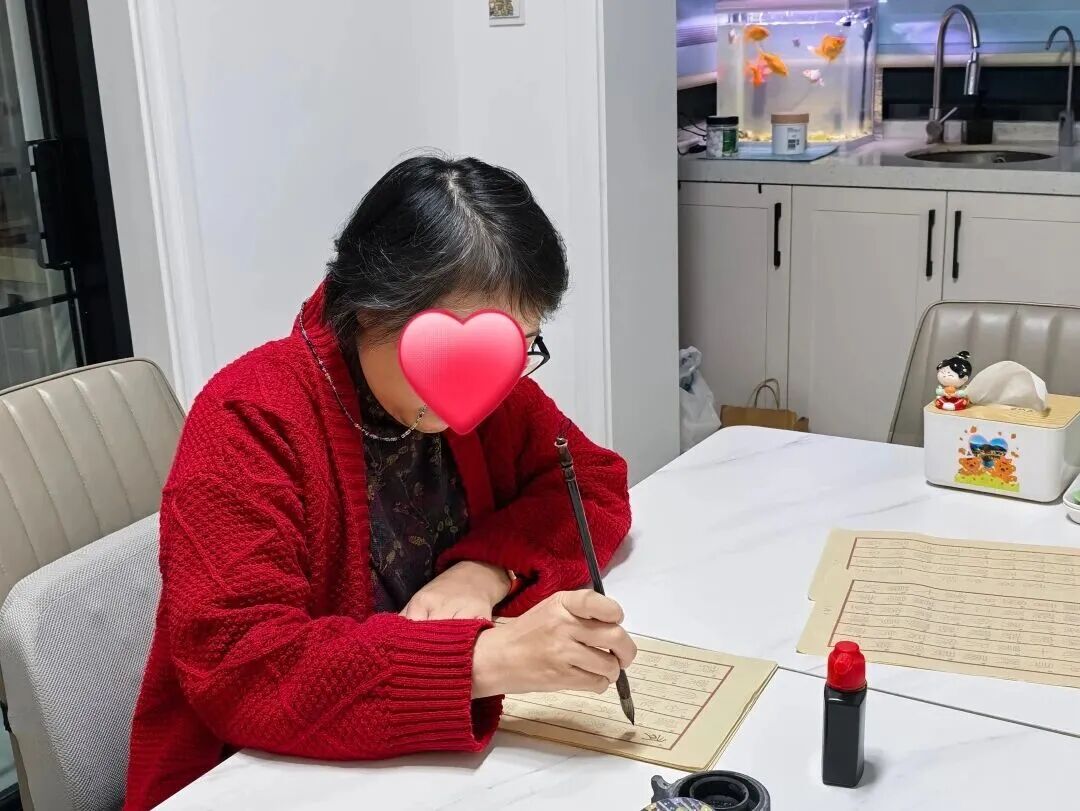
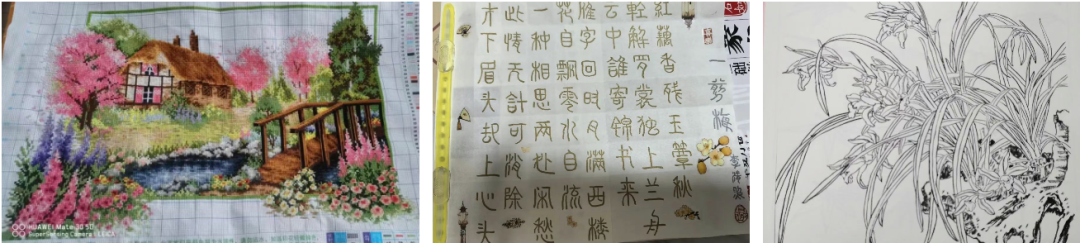
"Today I am more open-minded and more at peace. Hobbies I never had time for — ink and brush, painting, embroidery — I have finally picked up again, and I have travelled to cities I had only read about. If one day I am lucky enough to stand in front of my students again, I want to tell them: strength is not being invulnerable; it is being able to climb out of the abyss after your defences have been broken."
The specialist's view
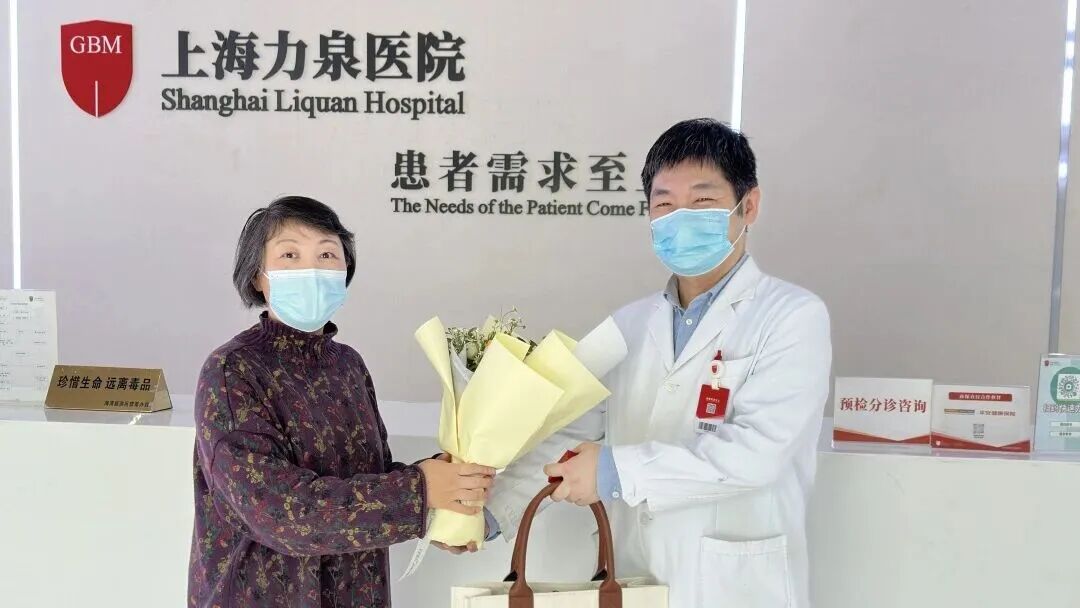
Dr. Li Su: "Ms. Zhang has IgD myeloma and tolerated myeloma drugs poorly — she could not tolerate immunomodulators such as lenalidomide or pomalidomide, and the severe adverse effects meant treatment intensity was insufficient. Her myeloma progressed several times within three years and she had reached fourth-line therapy. At that point CAR-T was without question the best option, and we set the CAR-T strategy early, at the start of relapse."
"There was one twist: a posterior superior iliac spine aspiration found no myeloma cells, so the BCMA target could not be confirmed. Guided by MRI, we aspirated from an area of signal change in the sternum, found myeloma cells and confirmed the target. During CAR-T her CRS was very mild while the efficacy was excellent — she reached MRD-negative complete remission. She remains on regular follow-up with periodic immunoglobulin infusions to prevent infection, and her quality of life has improved markedly."
This story is published with the review and consent of the patient and her family. Individual results vary. Disclaimer: the purpose of this article is to provide general health information; it is not a substitute for individual medical diagnosis or treatment.
Treatment timeline
- Late 2022Back pain progressing to generalised bone pain; blood tests show high calcium and creatinine (CRAB); marrow biopsy confirms IgD λ multiple myeloma
- 2022–2023Multiple cycles of standard chemotherapy — partial response only, with severe intolerance
- Feb 2023Transfers to Shanghai GoBroad Liquan Hospital for further treatment
- Jun 2023Autologous haematopoietic stem cell transplant — complete remission; enters maintenance therapy
- Jul 2025IgD rises again on routine review — signs of relapse; fourth-line CAR-T strategy set
- Sep 2025BCMA target confirmed via sternal aspiration guided by MRI; BCMA CAR-T infusion (equecabtagene autoleucel) with very mild CRS
- Apr 2026More than six months after CAR-T: MRD-negative complete remission maintained; regular follow-up and immunoglobulin support; back to travelling and painting
About the specialist
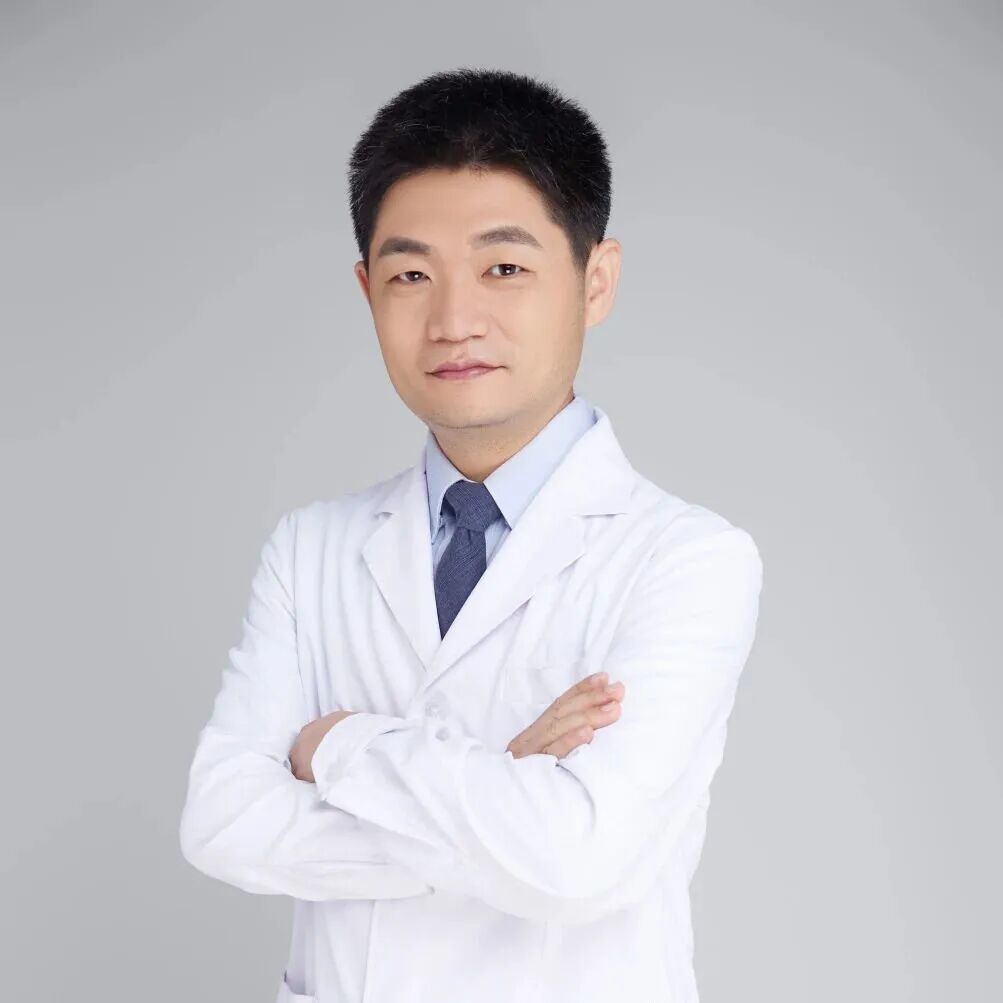
Dr. Li Su, MD, PhD
- · Associate Chief Physician, MD, PhD
- · Director, Department of Haematology, Shanghai GoBroad Liquan Hospital
- · Director, Myeloma Centre, Shanghai GoBroad Liquan Hospital
Source: Shanghai GoBroad Liquan Hospital / GoBroad Medical Forum