CAR-T · Paediatric Leukaemia · 29 July 2026
Patient Voices | A 10-year-old girl with T-ALL achieves durable remission after allogeneic CD5 CAR-T therapy
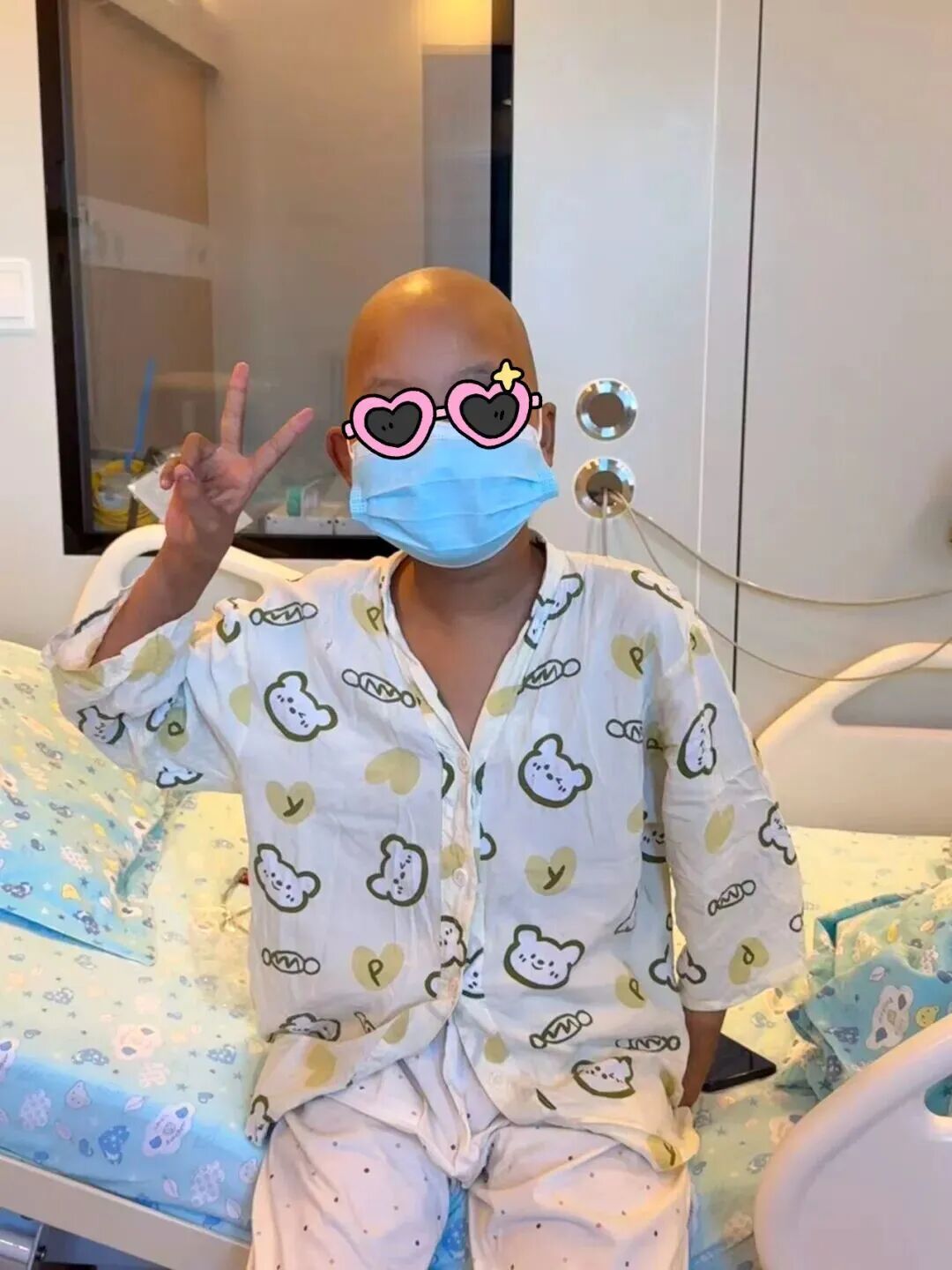
Diagnosis
T-cell acute lymphoblastic leukaemia (T-ALL)
Age
10 years old
Treatment
Donor-derived (allogeneic) CD5 CAR-T, then haematopoietic stem cell transplant
Time to complete remission
14 days after CAR-T infusion
Hospital
Beijing GoBroad Hospital — Dept. of Haematological Oncology & Immunotherapy
Latest status
Ongoing remission, 100% donor chimerism (20 July 2026)
On 20 July 2026, in a ward at Beijing GoBroad Hospital, one report let everyone breathe again: Xiao Yumiao's cerebrospinal fluid and bone marrow flow cytometry and fusion genes were all negative, her primary disease remained in remission, and peripheral blood chimerism was 100% — meaning the donor cells had completely made their home inside her.
The road this 10-year-old girl travelled to beat cancer traced an arc most people could scarcely imagine.
From remission to relapse, and then to progression
In May 2022, Xiao Yumiao was diagnosed with T-cell acute lymphoblastic leukaemia (T-ALL). After chemotherapy she did reach remission. But fate was not finished with her.
In March 2025 a bone marrow aspiration showed the disease had relapsed, and she was assessed as high risk. She continued on chemotherapy, only to receive worse news: in October 2025 marrow morphology indicated disease progression.
Repeated chemotherapy brought severe myelosuppression, agranulocytosis, severe infections and recurrent fever.
By April 2026, bone marrow MRD showed blasts as high as 92%, immunophenotyping confirmed T-lineage expression, and high-risk mutations including FBXW7, NOTCH1 and MLLT10 were detected. By then she was in a state of severe immunodeficiency.
Searching, screening, deciding — a family's turning point
After one bad marrow report after another, Xiao Yumiao's parents spent sleepless nights. But they never let go of each other's hand, and never let go of their daughter's. They combed through the literature at home and abroad, consulted countless medical platforms, and refused to miss any clue that might turn things around. Finally, out of that ocean of information, they found Director Pan Jing of the Department of Haematological Oncology and Immunotherapy at Beijing GoBroad Hospital.
On the day of consultation, Director Pan Jing reviewed her full treatment history and comprehensively assessed her physical condition. Although the disease was aggressive, her organ function had not been severely damaged — which left room for further treatment. After in-depth discussion with the family, Director Pan Jing's team decided to proceed with allogeneic CAR-T therapy — a cell immunotherapy that remains at the international frontier.
Clinical capability, distilled: from experience to pathway
Such a decision does not come out of nowhere. In the real-world application of cell therapy, different patients are at different disease stages and risk states, and the treatment pathway must be continuously adjusted to the individual. From pre-treatment risk stratification, to the timing of bridging therapy and infusion, to stratified management of adverse events during treatment, and dynamic management of overall pacing under multidisciplinary collaboration — every one of these steps has to be validated and refined in practice.
In some patients, as clinical experience accumulates, immunotherapy is being introduced progressively earlier. Precise assessment and stratification at an earlier stage lets patients enter the treatment pathway while the disease is still within a controllable range, which helps improve overall benefit. This is not simply moving treatment forward; it is a strategic choice built on thorough assessment and systematic management.
In real clinical practice, many of the key judgements depend on long-term case accumulation and systematised practice. To date, Director Pan Jing performs CAR-T therapy in more than 200 children with refractory or relapsed lymphocytic leukaemia every year, with outcomes at an internationally advanced level. Mature clinical pathways have gradually taken shape across different disease types and risk states, and the fine-grained strategies keep being optimised, so that the hand-offs between each step are more stable and controllable.
In this process, experience gradually settles into a repeatable pathway, and becomes an important foundation supporting smooth treatment. Director Pan Jing focuses not only on refining medical technique but also emphasises trust and communication between doctor and patient. She often chats with patients and families in the ward, drawing out subtle but important information from those conversations and adjusting treatment accordingly.
Addressing the difficulty of manufacturing CAR-T for T-lineage leukaemia and the problem of antigen escape, Director Pan Jing's team conducted the world's first phase I clinical study of donor-derived CD5 CAR-T therapy for relapsed/refractory T-ALL. The results, published in Nature Medicine, showed that all patients in the study achieved complete remission — or complete remission with incomplete haematological recovery — by day 30, with no severe graft-versus-host disease (GVHD). This is exactly the frontier protocol Xiao Yumiao received.
Two fourteen-day windows that rewrote a fate
On 11 April 2026 Xiao Yumiao was admitted. Following intensive chemotherapy at an outside hospital she had severe myelosuppression and was agranulocytic and severely immunodeficient, with intermittent high fever and possible multiple infections. Pathogen NGS suggested fungal, Pneumocystis and viral infection. The team immediately started a combined anti-infection regimen: antivirals alongside intravenous immunoglobulin to boost immunity.
On 13 April, bone marrow and lumbar puncture examinations were performed. On 15 April, lymphocytes were collected from the donor — Xiao Yumiao's father. From 19 to 21 April she received three days of FC conditioning (cyclophosphamide + fludarabine). On 24 April, allogeneic (paternal) CD5 CAR-T cells were infused at a dose of 1.0×10⁶/kg.
Fourteen days later the marrow and lumbar puncture assessment came back — complete remission. From infusion to complete remission took just two weeks. Transplant was then put on the schedule.
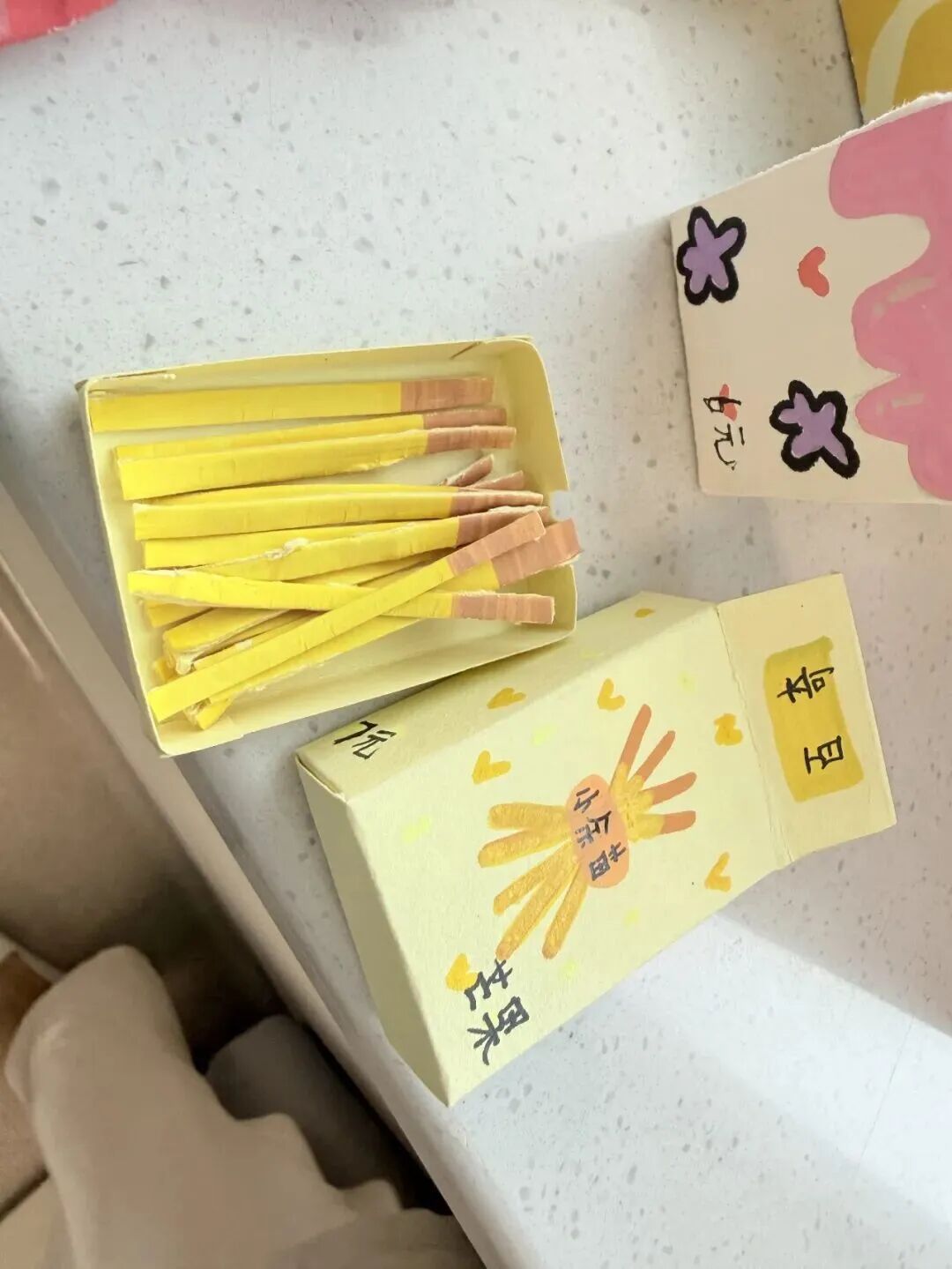
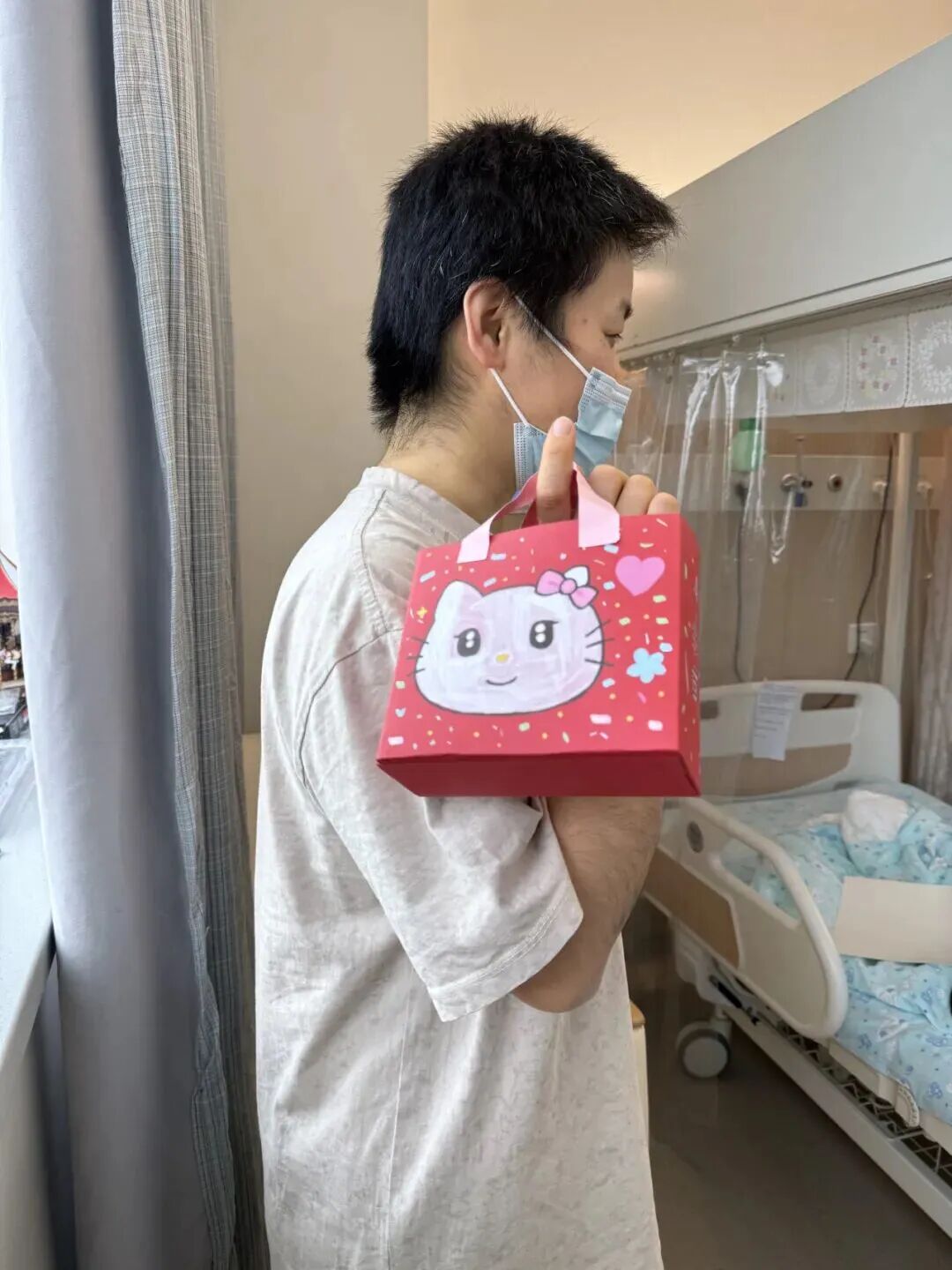
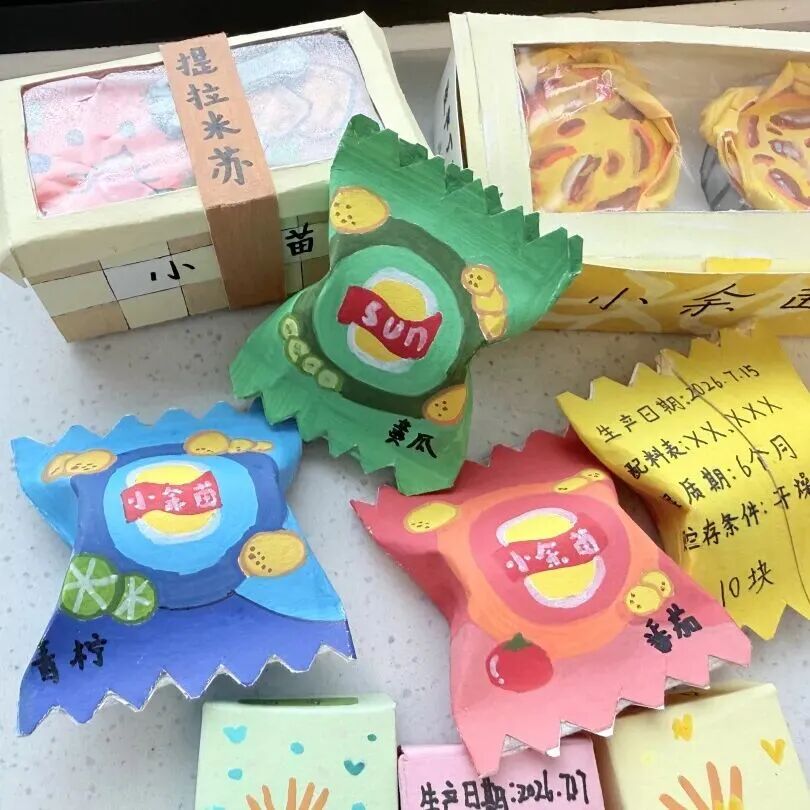
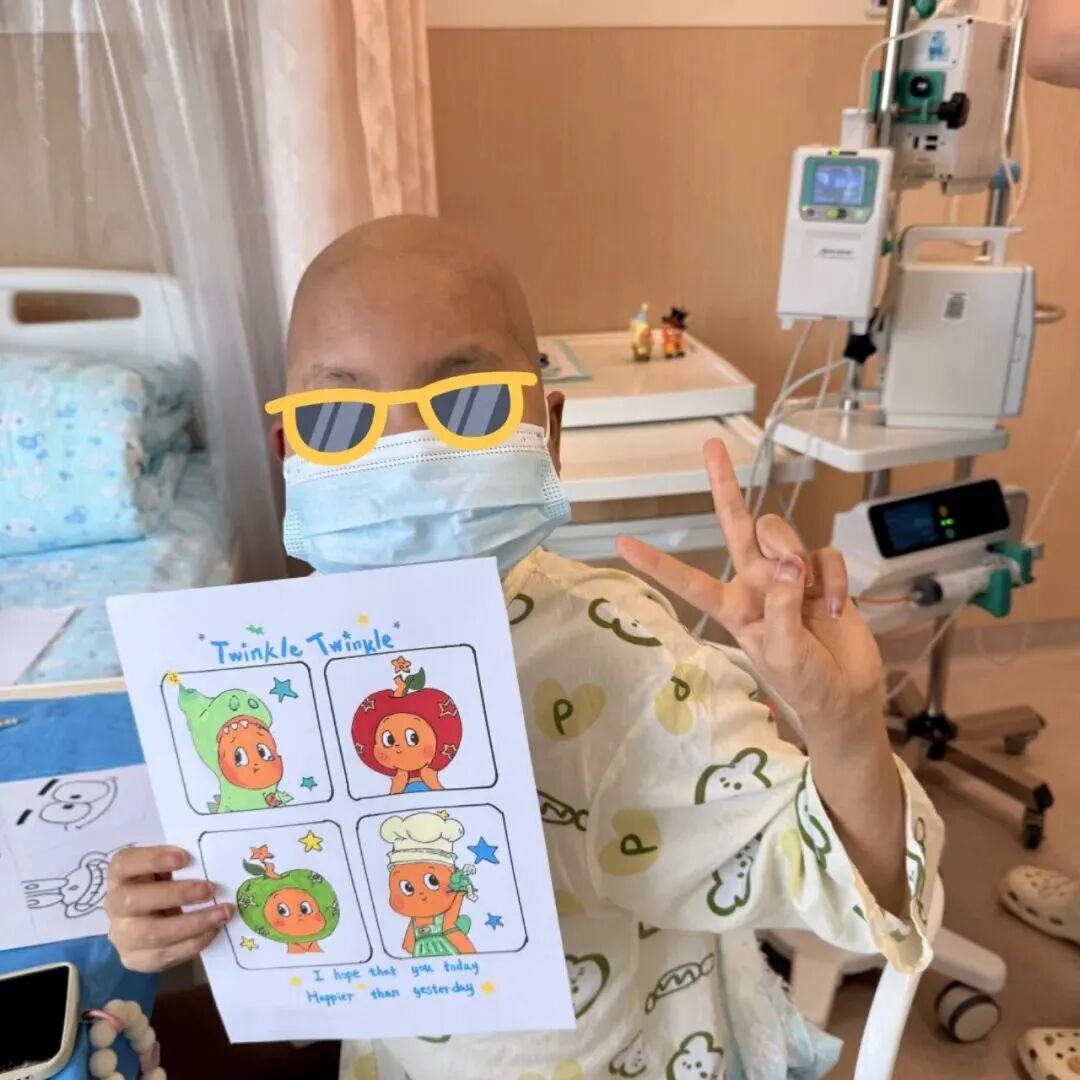
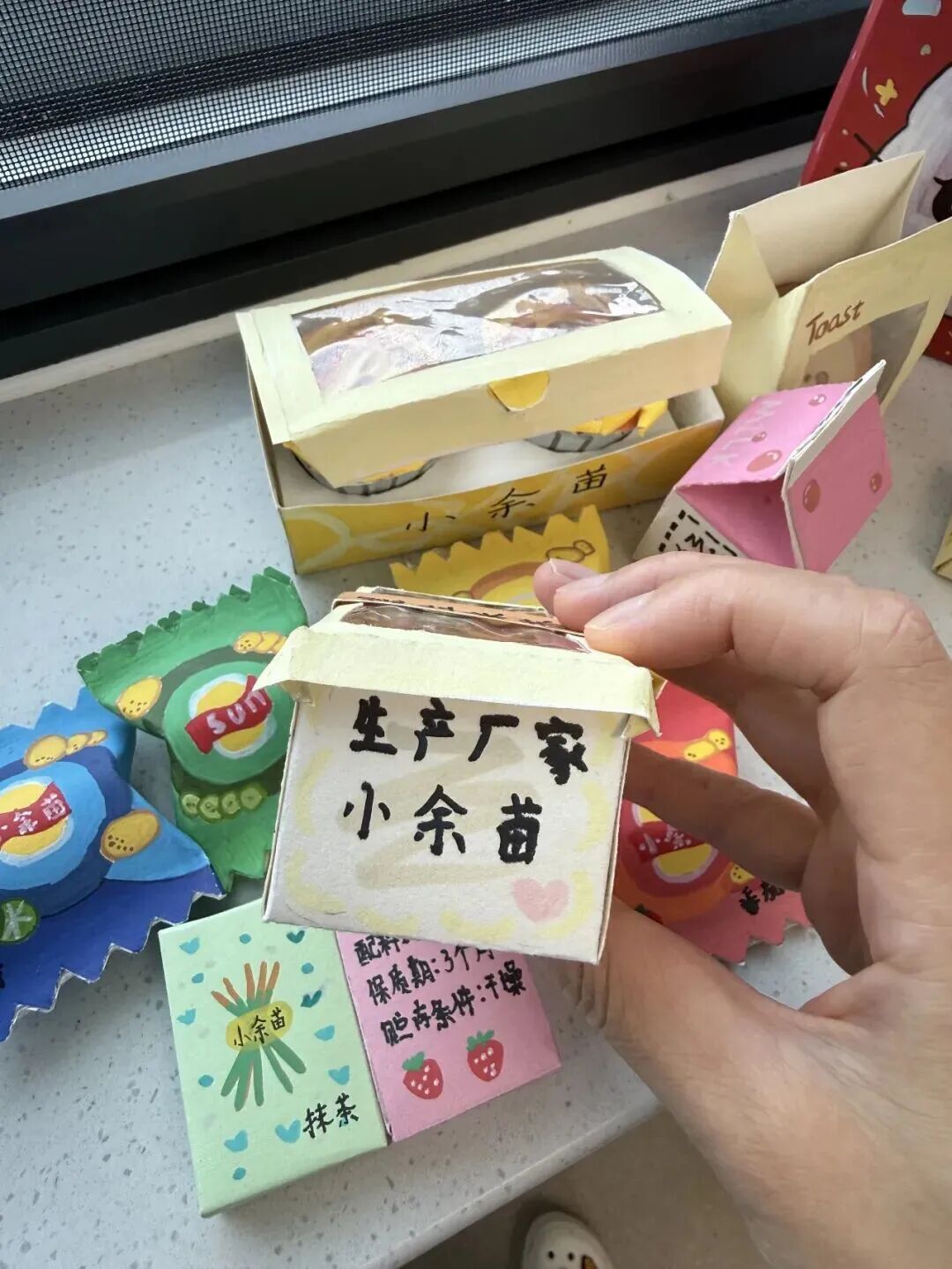
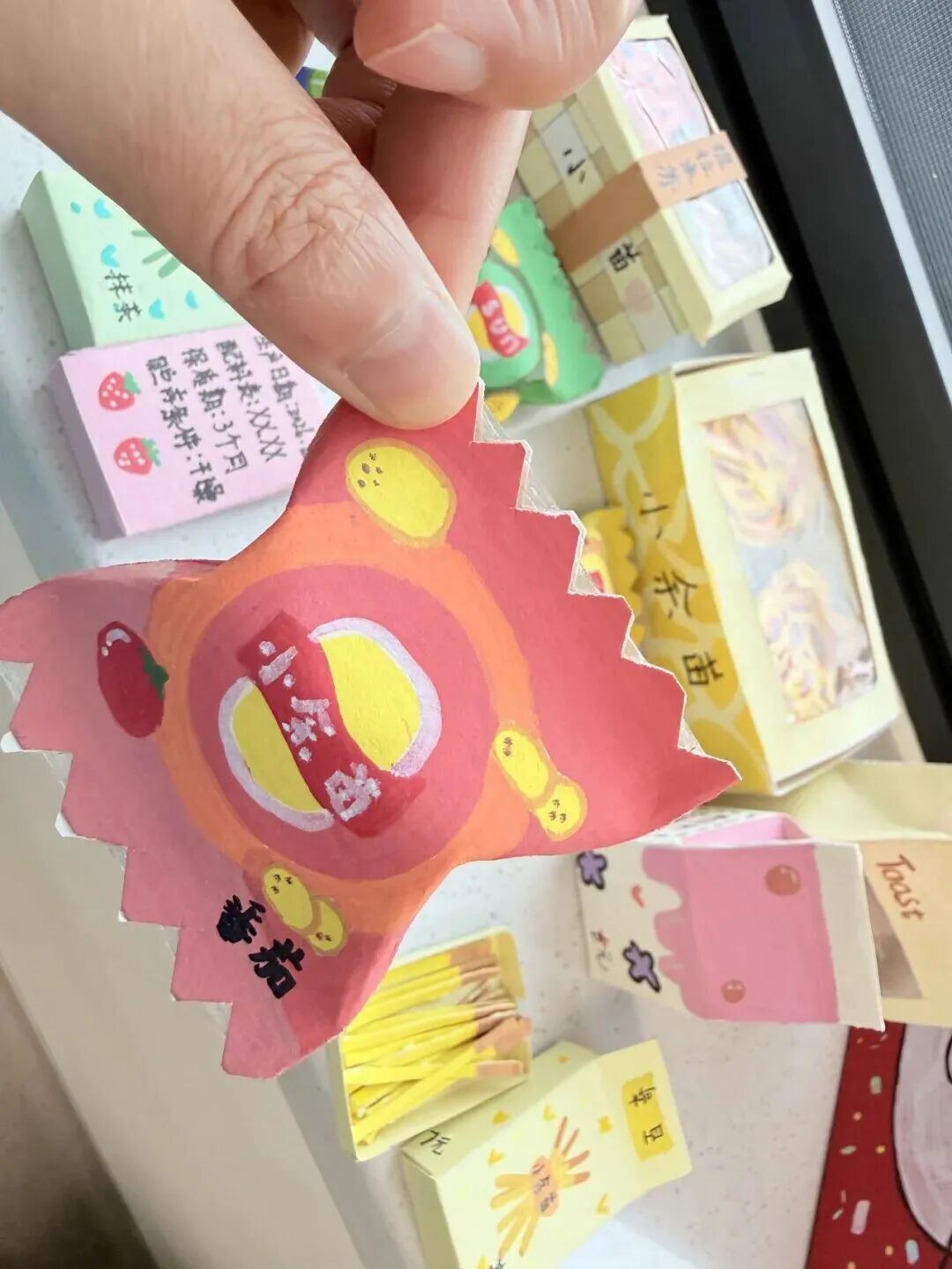
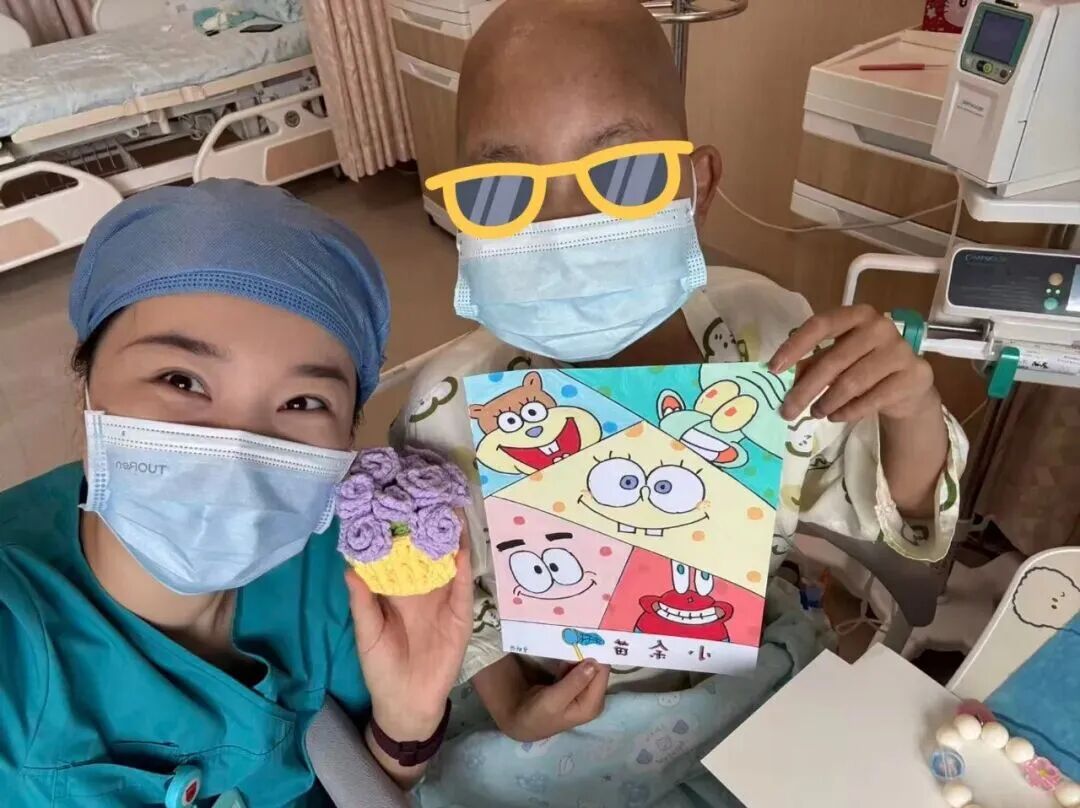
On 11 May, Xiao Yumiao began total body irradiation ahead of transplant. On 13 May she moved into the transplant isolation unit. She brought with her the paper models of "little snacks" she had made from cardboard — because her diet was restricted during treatment, she often did handicrafts in bed to work through her feelings, and those french fries, crisps and cakes became the warmest company in her room. In the small hours of 20 May, infusion of unrelated fully matched peripheral blood haematopoietic stem cells began, completing smoothly in two hours.
On 5 June, Xiao Yumiao left the isolation unit — 23 days from admission to the unit to discharge from it. Those handmade pieces kept her company through the hardest days, as if reminding her: once you're well, you must taste all the real delicacies.

When the data becomes reality
The results on 20 July put a full stop — for this stage — on a nerve-racking course of treatment.
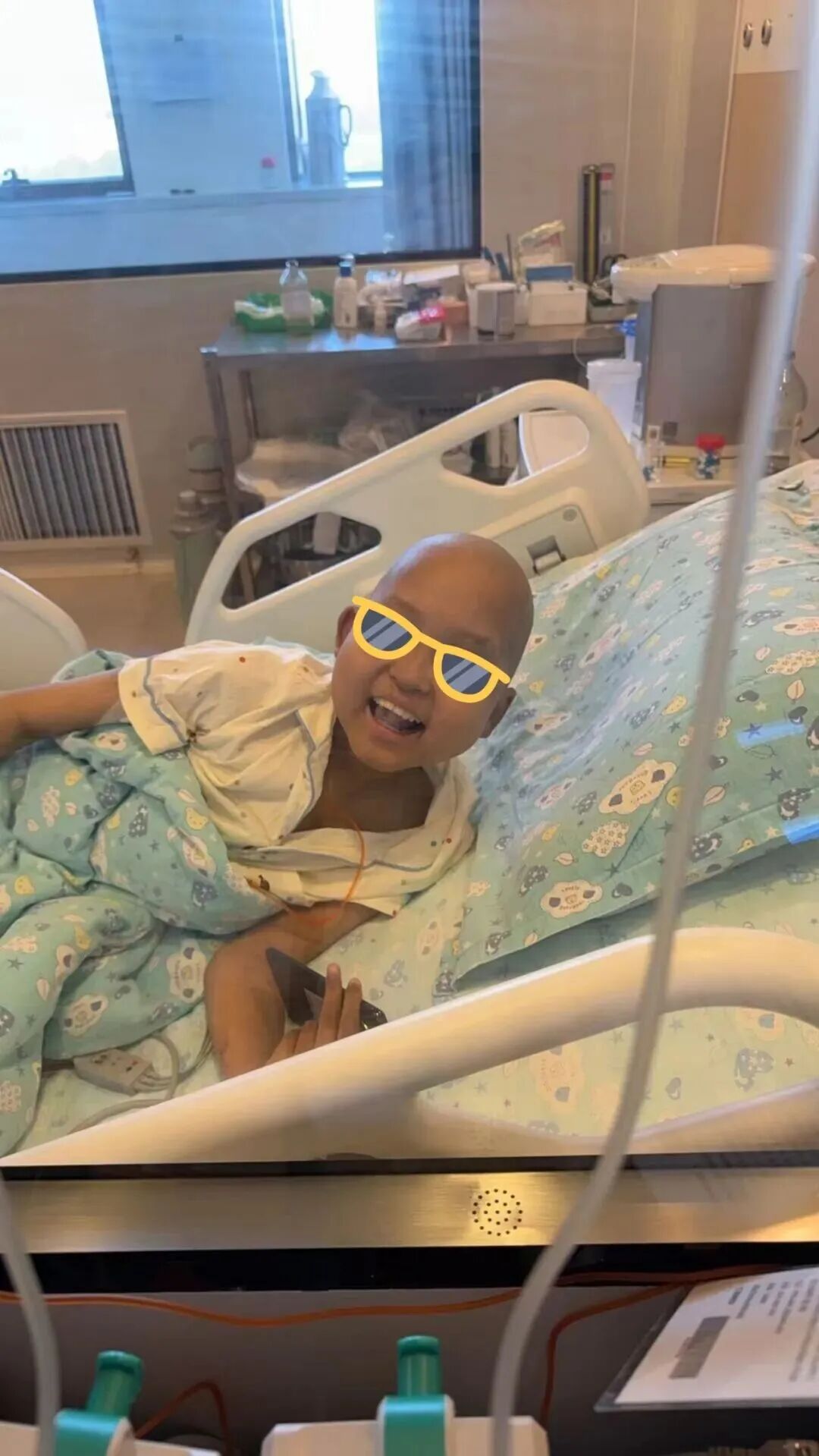
Today the donor cells have fully engrafted and her primary disease remains in remission. With her resilience and her clever pair of hands, this 10-year-old grew a small garden inside a hospital ward. We wish her a permanent farewell to illness, and — with those hands that create beautiful things — a bright childhood and a limitless future.
This article is based on a real patient's treatment experience and published with the authorisation of the patient's family. The patient's name is a pseudonym, "Xiao Yumiao". Disclaimer: the purpose of this article is to provide general health information; it is not a substitute for individual medical diagnosis or treatment.
Treatment timeline
- May 2022Diagnosed with T-ALL; remission after chemotherapy
- Mar 2025Relapse on marrow aspiration; assessed as high risk
- Oct 2025Marrow morphology shows disease progression
- Apr 2026Marrow MRD blasts 92%; FBXW7, NOTCH1, MLLT10 detected
- 11 Apr 2026Admitted to Beijing GoBroad Hospital; combined anti-infection therapy
- 15 Apr 2026Donor (father) lymphocytes collected
- 19–21 Apr 2026FC conditioning (cyclophosphamide + fludarabine), 3 days
- 24 Apr 2026Allogeneic (paternal) CD5 CAR-T infusion, 1.0×10⁶/kg
- +14 daysMarrow and lumbar puncture assessment: complete remission
- 11 May 2026Total body irradiation before transplant
- 20 May 2026Unrelated fully matched peripheral blood stem cell infusion
- 5 Jun 2026Discharged from the isolation unit after 23 days
- 20 Jul 2026CSF and marrow flow negative, fusion genes negative, 100% chimerism
About the specialist
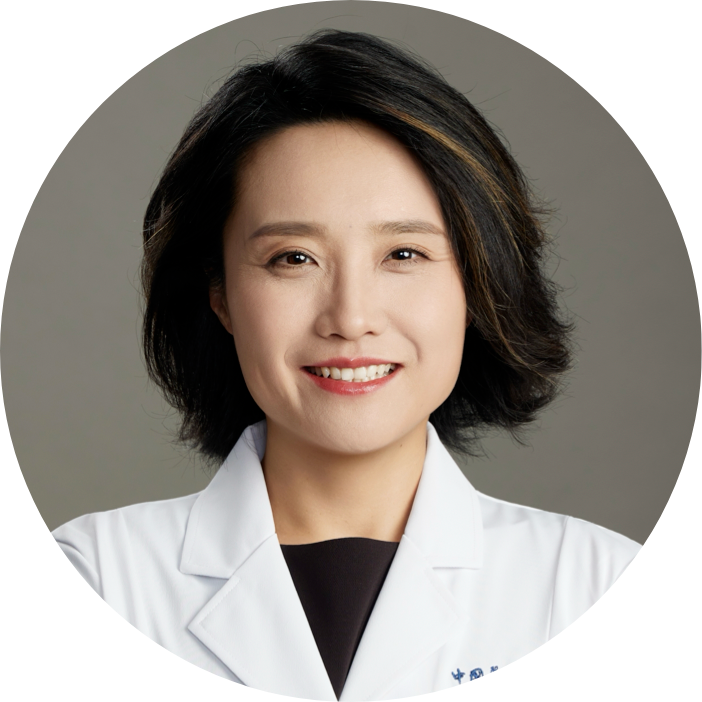
Director Pan Jing
- · Associate Chief Physician · PhD in Medicine / Immunology
- · Institute of Haematology & Blood Diseases Hospital, Chinese Academy of Medical Sciences — Director, POC Ward
- · Chinese Academy of Medical Sciences & Peking Union Medical College — Associate Professor (tenure-track), doctoral supervisor
- · Principal Investigator, State Key Laboratory of Blood Science
- · Director, Dept. of Haematological Oncology & Immunotherapy, Beijing GoBroad Hospital
- · Standing committee member, Paediatric Critical Care Physicians Branch, Beijing Medical Doctor Association
- · Expert, Beijing medical & health science-technology achievement transformation expert pool
- · Publications in journals including Nature Medicine and Blood; 4 highly-cited papers; work incorporated into 6 domestic and international guidelines