Paediatric Lymphoma · Targeted Therapy · 19 August 2026
Patient Voices | A 13-year-old boy with ALK-positive anaplastic large cell lymphoma: three years in CR, back at school and into university
Diagnosis
ALK-positive anaplastic large cell lymphoma (ALCL)
Age at diagnosis
13 years old
Presentation
Marked weight loss, shoulder pain, persistent fever; CT showed a 9.4 × 6.8 cm mediastinal mass
Prior treatment (other hospital)
Adult protocol: 4 cycles CHOP-E, then 4 cycles GDP (2 with anti-CD30 antibody), autologous stem cell transplant on 6 September 2019
Problem
Three months after transplant, PET-CT showed the tumour was smaller but metabolically more active than before transplant
Treatment at GoBroad Boren
Pathology review and genetic testing, then an individualised paediatric protocol — ALK inhibitor combined with the 2017-CNCL paediatric ALCL regimen, followed by maintenance therapy
Outcome
Maintenance from 2020, treatment stopped in February 2022; continuous complete remission, three and a half years off all drugs
Hospital
Beijing GoBroad Boren Hospital (GoBroad Medical [Haematology] Beijing Research Centre)
In the winter of 2018, 13-year-old Qinqin (a pseudonym) was diagnosed with ALK-positive anaplastic large cell lymphoma. He was treated at another hospital on an adult protocol; after chemotherapy, an autologous transplant and targeted therapy he did reach complete remission (CR), but remission came late because the protocol did not suit him, and he missed key drugs such as vinblastine and methotrexate (MTX). At the end of December 2019, on the recommendation of another patient family, his parents brought him to Beijing GoBroad Boren Hospital, to the paediatric lymphoma specialists Prof. Zhang Yonghong and Dr Zhu Qing. With a carefully designed individualised and standardised treatment plan, Qinqin moved steadily towards recovery. Today he remains in continuous complete remission and has been off treatment for three and a half years.
This golden September, having won a place in the mathematics department of a first-tier university with a score of more than 540, the young freshman has left that hard, winding fight with cancer behind him and stepped onto campus full of hope for the future. Looking back on those difficult years of treatment, Qinqin's mother has a great deal to share.
A mother's darkest hour: a teenage son unexpectedly diagnosed with lymphoma
In 2018 Qinqin was in his second year of junior high. During that period he suddenly lost a lot of weight. At first we thought he was just "shooting up" in a growth spurt and that his body could not keep up with the pressure of schoolwork. I remember taking him to have ID photos taken; his face was so thin that several attempts were rejected — even then we did not take it to heart.
More than half a year passed like that. Qinqin kept saying his shoulder hurt. We took him to the county hospital for a CT scan, and only then discovered a 9.4 × 6.8 cm mass in his mediastinum.
We took him straight to a tertiary hospital in Beijing for a biopsy. Waiting for the result felt as long as a century. During that time Qinqin went from a low-grade fever to a persistent high fever, and the doctors could not explain why.
Ten days later the pathology came back: "ALK-positive anaplastic large cell lymphoma". At that moment I felt the sky was falling. He was only 13 — how could a malignant tumour have anything to do with him? Standing at the window, watching the traffic flow past, I understood despair for the first time in my life.
A winding search for treatment: chemotherapy, transplant and targeted therapy — still no full CR
After the diagnosis we returned to our home province of Shandong and had Qinqin treated in the haematology department of a well-known tertiary hospital there. He was one month short of his fourteenth birthday, and the doctors started him on an adult protocol.
They first gave him CHOP-E chemotherapy. After four cycles, PET-CT showed the tumour had halved in size. That gave us a glimmer of hope.
After assessment, the doctors recommended an autologous stem cell transplant. Qinqin then received four cycles of GDP, two of them combined with an anti-CD30 antibody. As we had hoped, the lesion shrank further. But as his mother, what hurt me most was everything he endured along the way. Because of tumour compression and difficult veins, his PICC line was extremely hard to place — the nurses had to try several times. Through the first two cycles of chemotherapy he simply gritted his teeth and held on.
During chemotherapy Qinqin learned the truth about his illness. More than once he said afterwards: "If I had known it was a malignant tumour, I might not have agreed to treatment. It hurts too much."
Perhaps because of the drugs, he was also somewhat confused at that time. Once he suddenly went missing in the hospital; in a panic I finally found him in the stairwell, and he looked at me blankly and said, "I don't remember what happened." At that moment I was truly terrified.
After chemotherapy, to get to transplant as soon as possible, we moved him to another hospital. On 6 September 2019 Qinqin completed his autologous transplant. Nearly a month later, after an abdominal infection and a lung infection, physically and mentally close to breaking point, he finally left the laminar-flow room.
Then fate played another cruel joke on us. The PET-CT three months after transplant showed that although the tumour was smaller, it was metabolically more active than before the transplant. Once again, we fell into the abyss.
The turning point: precision paediatric lymphoma care brings the first light of hope
Just as we were hesitating over whether to keep treating him at the hospital back home, I remembered Beijing GoBroad Boren Hospital, which another patient family had recommended. In fact, when Qinqin was first diagnosed, someone had already told us about Prof. Zhang Yonghong — an authority in paediatric lymphoma both in China and abroad. At the time I hesitated because Boren is a private medical institution, and I also worried about the cost. This time, we decided to take the chance.
In December 2019 our family came to Beijing GoBroad Boren Hospital and found Prof. Zhang Yonghong's team. She made a deep impression at our very first meeting — reading through Qinqin's records carefully, asking about details, professional and patient throughout. Only then did we understand: children are not "small adults", and adult lymphoma protocols cannot simply be applied to them. Paediatric protocols differ in intensity and in strategy.
After admission the expert team quickly arranged a full work-up, including pathology review and genetic testing. The results confirmed the earlier diagnosis — ALK-positive anaplastic large cell lymphoma — and indicated he was already in complete remission. But because remission had been delayed by an unsuitable protocol and he had missed key drugs such as vinblastine and MTX, and in order to clear the tumour completely and prevent relapse, Prof. Zhang Yonghong and Dr Zhu Qing designed an individualised treatment plan for him.
My doubts gradually disappeared. Prof. Zhang's team was rigorous and technically outstanding — their standard is beyond question. And compared with other hospitals, the cost was not as much higher as I had feared, while the risk of infection during treatment was greatly reduced, which made it both safer and, in the end, more economical.
Because of all the earlier treatment, Qinqin was very weak, and the course was not entirely smooth. But with the team's precise adjustments and attentive care, his condition gradually stabilised, and in 2020 he began maintenance therapy. Over the following two years he studied while being treated, and in February 2022 he finally came off all drugs.
A new life after lymphoma: back to school, off treatment, and into university
Because of his illness Qinqin had taken two years out of school. When he returned, he started again from the second year of junior high. Fresh out of a serious illness, he was still weaker than his peers, and his father and I never pushed him to overwork — for us, health comes above everything.
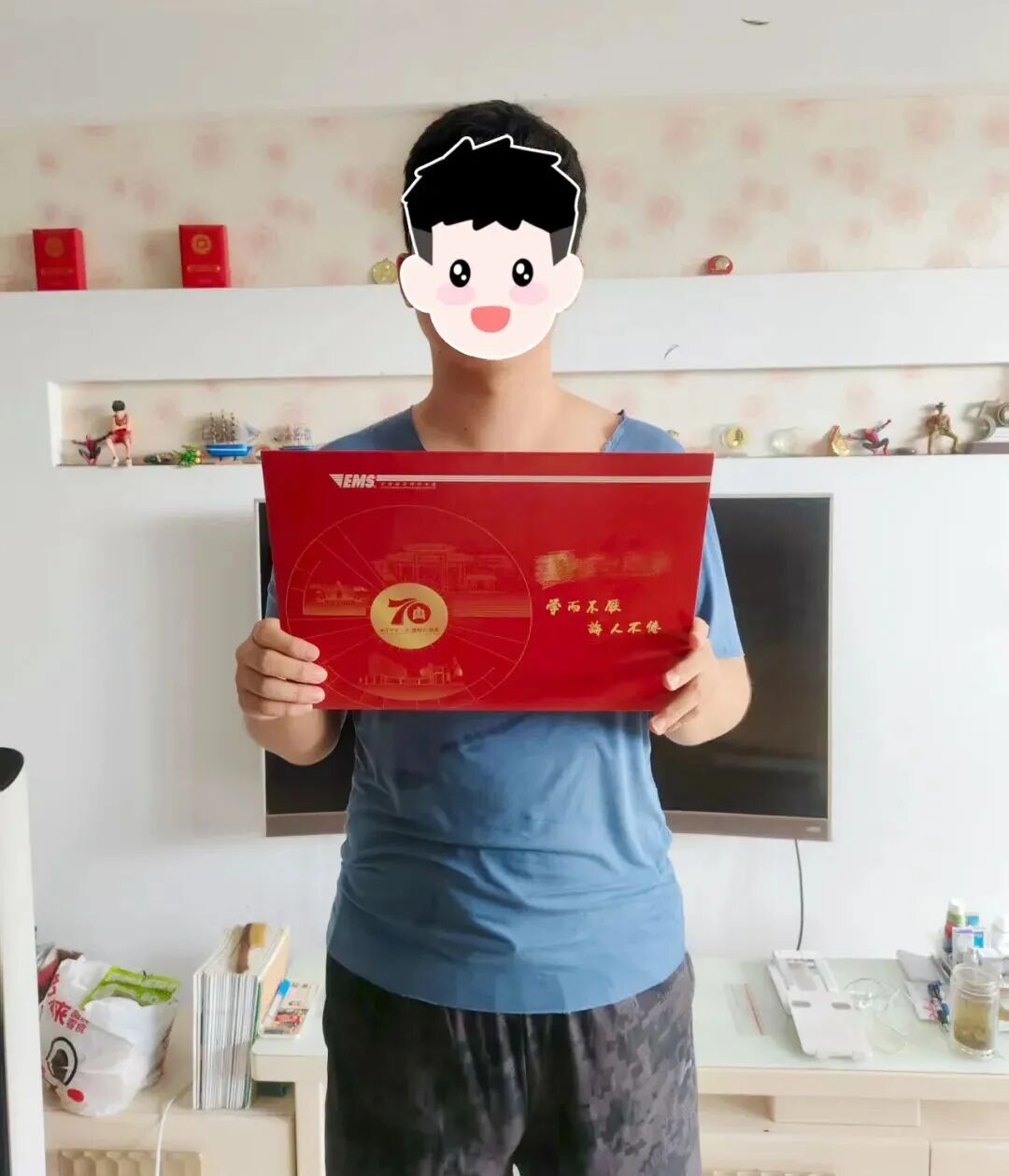
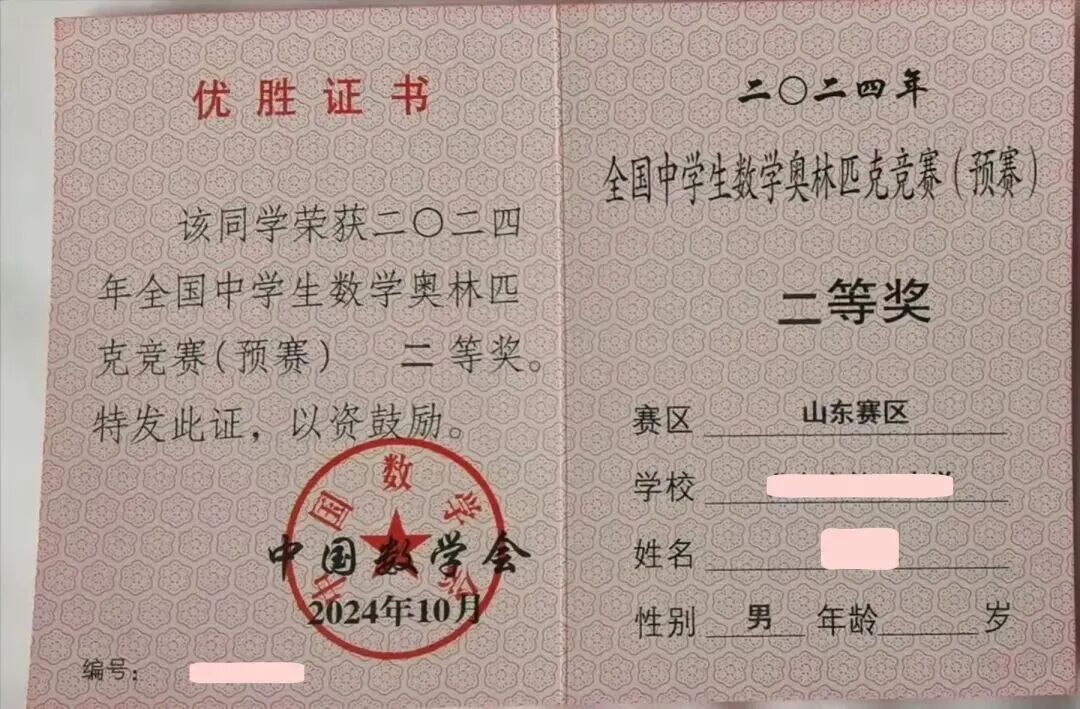
But he made us proud on his own. In his first year of senior high he was often top of his class, and in his final year he won second prize in the Shandong division of the National High School Mathematics League. In this year's college entrance examination he scored more than 540 and was admitted to the mathematics department of a first-tier university.
Today he is about 1.85 m tall and weighs over 85 kg, loves mathematics and playing football, and looks no different from any other university student. Talking about the future, he is full of expectation: "I plan to go on to a master's and a doctorate, and become a university teacher — teaching each week and doing the things I enjoy in between."
And I always tell him: "My only wish is that you stay healthy and safe."
Perhaps because the treatment was so painful, he sometimes still worries when he feels unwell, and even says, "If it comes back I won't be treated again." I always reassure him: "It won't. You've been off treatment for three and a half years; we have already got through the hardest part. Now you can go to school, play football and study the mathematics you love — it was all worth it."
A mother's message to every parent still walking the hard road
As a mother who took some wrong turns, I would like to share a few thoughts. First, for paediatric lymphoma you must choose a specialist paediatric medical institution. Adult protocols are often unsuitable for children and may even delay the best window for treatment.
Second, precise diagnosis matters. Only with a clear diagnosis can a targeted treatment plan be designed. Third, the disease is the common enemy of families and doctors, so work closely with your medical team and follow their instructions strictly. Finally, even if you have taken a wrong turn early on, please do not give up hope — adjust the plan in time and the situation can still be turned around.
I also want to thank Prof. Zhang Yonghong, Dr Zhu Qing and their team in particular, and the nursing team led by Head Nurse Zhang Rong. You gave Qinqin a new life and pulled our family back from near-despair. On every consultation and ward round Prof. Zhang was professional, responsible and endlessly patient; at every bone marrow puncture Dr Zhu Qing chatted warmly with him to ease his nerves; when treatment left him low, Head Nurse Zhang Rong talked him through it; and whenever we hit difficulties, other patients' families were always ready to help. All of this made the rest of the journey warmer and more reassuring.
Looking at Qinqin now, doing better and better, I know the hardest years are behind us. The road ahead of him is still very, very long.
Case commentary by Dr Zhu Qing, attending physician
ALK-positive anaplastic large cell lymphoma accounts for 10–15% of paediatric lymphomas — a higher incidence than in adults. It often presents with infection-like features, and some children present with haemophagocytic syndrome. Adverse prognostic factors include young age; sites of involvement (mediastinal and lung involvement, skin involvement); pathological subtype (small-cell or histiocytic variants, ALK-negative disease, increased tumour-associated macrophages / CD163-positive cells); advanced clinical stage, especially the leukaemic phase; ALK positivity in marrow and peripheral blood with minimal disseminated disease (MDD); associated HLH or haemophagocytosis; uncommon ALK fusions (CLTC-ALK, TRAF1-ALK, TPM-ALK and others); and STAT3 or TP53 mutations. Stratifying treatment according to these prognostic factors raises cure rates and reduces complications. With the first-line paediatric regimen (ALCL99), remission rates after six cycles exceed 90%. Relapse is common in children, but second-line ALK inhibitors and CD30-targeted drugs achieve high re-remission rates, and transplant is indicated for some children with immune deficiency, resistance genes or repeated relapse.
The disease is rare in adults, where the prognosis is better and the treatment strategy differs. Children treated on adult protocols often do poorly. This patient was initially treated on a protocol designed mainly for adult peripheral T-cell lymphoma, which delayed remission; after autologous transplant he developed severe infection. The physical, emotional and financial burden of such prolonged treatment is enough to crush any family, and the gaps left by inadequate early therapy leave parents deeply anxious after stopping treatment. Fortunately, after coming to our hospital he was treated with an ALK inhibitor combined with the paediatric 2017-CNCL anaplastic large cell lymphoma regimen, which filled those gaps and reduced the risk of relapse — so that after two years of maintenance he could stop treatment and still remain in sustained remission. His parents can finally breathe out; at each follow-up, the family's whole state of mind is different. Qinqin has now been admitted to the mathematics department of a first-tier university and has genuinely restarted his life.
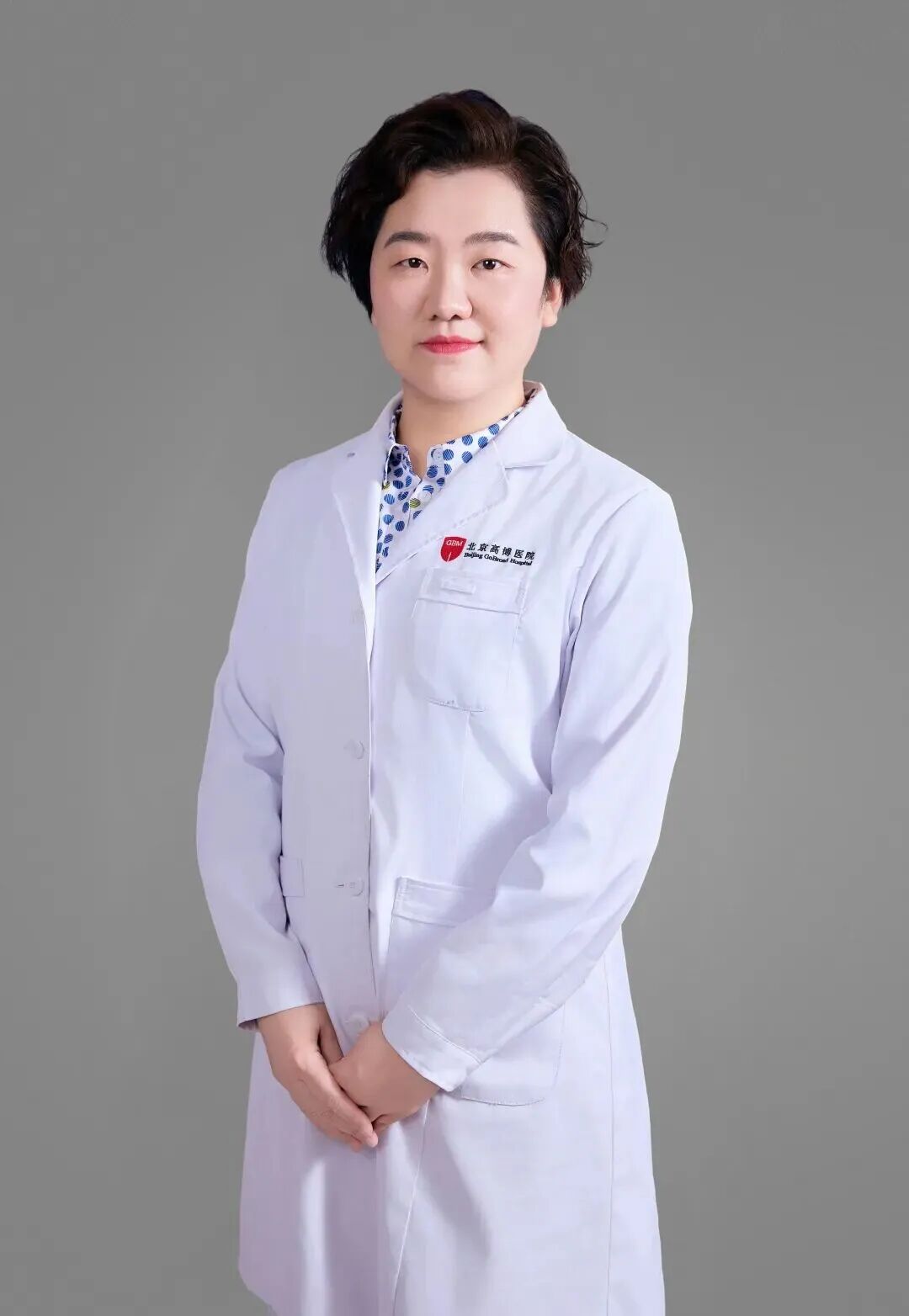
Dr Zhu Qing graduated with a master's degree from Tongji Medical College, Huazhong University of Science and Technology in June 2008, worked in paediatrics at the PLA General Hospital (301 Hospital) for nearly ten years, and joined the GoBroad Boren paediatric haematology-oncology team in 2019. She specialises in the diagnosis, differential diagnosis and treatment of paediatric haematological malignancies and the management of chemotherapy-related complications, and focuses on chemotherapy and cellular immunotherapy for refractory and relapsed paediatric blood cancers. She is a member of the National Children's Lymphoma Collaborative Group (CNCL) and secretary of the paediatric branch of the Targeted Therapy Committee of the Chinese Women Physicians Association.
Treatment timeline
- 2018Aged 13 and in his second year of junior high, Qinqin lost weight rapidly and developed shoulder pain; a CT scan revealed a 9.4 × 6.8 cm mediastinal mass.
- Winter 2018Biopsy in Beijing; ten days later pathology confirmed ALK-positive anaplastic large cell lymphoma.
- 2019Treated on an adult protocol at a tertiary hospital in Shandong: 4 cycles of CHOP-E halved the tumour, then 4 cycles of GDP (2 with anti-CD30 antibody) shrank it further.
- 6 Sep 2019Autologous stem cell transplant completed; he left the laminar-flow room nearly a month later after abdominal and lung infections.
- Dec 2019PET-CT three months after transplant showed the tumour smaller but more active than before. The family transferred to Beijing GoBroad Boren Hospital, to Prof. Zhang Yonghong's paediatric lymphoma team.
- Dec 2019 – 2020Pathology review and genetic testing confirmed the diagnosis and complete remission. An individualised paediatric plan was designed — ALK inhibitor plus the 2017-CNCL paediatric ALCL regimen — to fill the gaps left by the adult protocol.
- 2020Condition stabilised and maintenance therapy began; he studied alongside treatment for the next two years.
- Feb 2022All treatment stopped, with the disease in continuous complete remission.
- 2023 – 2025Back at school from the second year of junior high; frequently top of his class in senior high and second prize in the Shandong division of the National High School Mathematics League.
- Aug 2026Three and a half years off treatment and still in continuous complete remission, Qinqin enters the mathematics department of a first-tier university with a score of over 540.
About the specialist
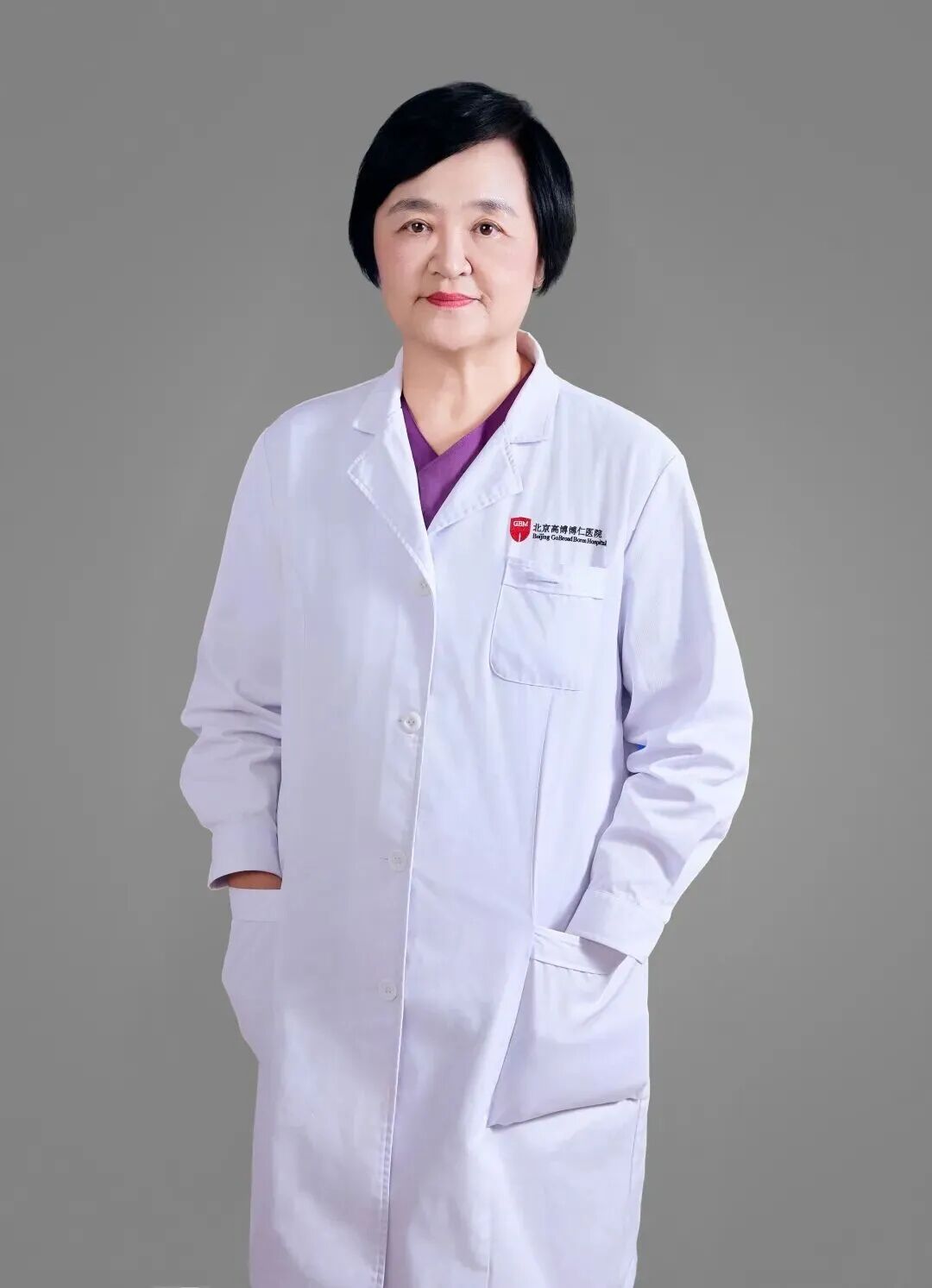
Prof. Zhang Yonghong — Medical President and Director of Paediatric Haematology/Oncology, Beijing GoBroad Boren Hospital
- · Chief physician and professor; former Director of the Lymphoma Department at Beijing Children's Hospital, Capital Medical University.
- · Joined the haematology department of Beijing Children's Hospital in 1983; 42 years of clinical work in paediatric haematology and oncology.
- · Founded the lymphoma speciality at Beijing Children's Hospital in 2003 and became its academic leader; in 2017 established and chairs the National Children's Lymphoma Collaborative Group (CNCL).
- · Pioneered internationally aligned, finely stratified chemotherapy protocols in China, lifting overall paediatric lymphoma cure rates to 80–90%.
- · Principal investigator on multiple provincial and national research projects; over 120 papers in journals including Blood and Blood Advances, and author or editor of 10 professional books.
- · Visiting scholar (1999–2004) at St. Jude Children's Research Hospital, the Prince of Wales Hospital paediatric oncology centre (CUHK, Hong Kong) and the paediatrics department of MD Anderson Cancer Center.
- · Deputy editor-in-chief of the Chinese Journal of Pediatric Hematology and Oncology; deputy head of the CSCO anti-lymphoma alliance paediatric group; deputy chair of the paediatric precision therapy committee of the Chinese Society of Biomedical Engineering; deputy head of the national children's EBV collaborative group, Chinese Medical Association.